
It was a Sunday night, of course, when my dog sliced his paw on a bit of broken glass on our evening walk. The nearest open clinic was forty minutes away, he was leaving little red prints across my kitchen floor, and I was frantically digging through drawers for anything useful. I found one crumpled band-aid and a roll of packing tape. That panicked half hour is exactly why I now tell every pet owner I know to build a pet first-aid kit before they need one.
The good news is that a genuinely useful pet first-aid kit costs under $25 to assemble, and most of it you can buy at any drugstore. You are not trying to replace your vet; you are trying to stabilize a situation and buy time to get there safely. Here is exactly what to include, what to skip, and how to put it all together for the price of a takeout dinner.
Why every pet owner needs one
Emergencies never happen at convenient times, and in those first few minutes what you have on hand matters more than anything. A pet first-aid kit lets you stop bleeding, protect a wound, or safely muzzle a hurt animal long enough to get help. Even a minor scrape is easier to handle when you are not tearing the apartment apart looking for supplies.
In a small apartment, a compact kit is also easy to store and grab, which matters when seconds count. I keep mine in a labeled box by the front door, right next to the leash, so it comes with us on walks and to the car without a second thought.
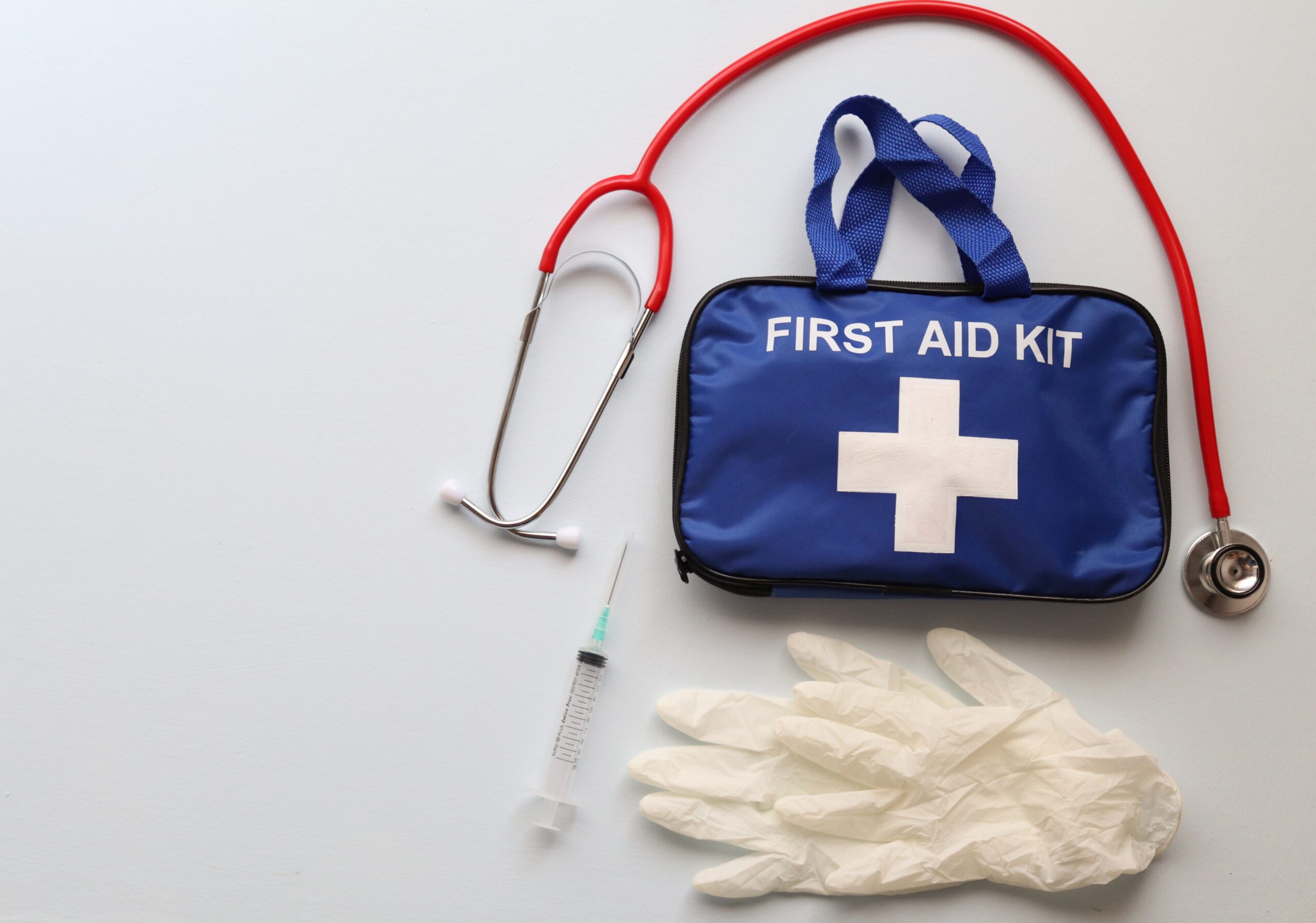
The essential supplies
These are the core items that belong in every pet first-aid kit. None of them are expensive, and together they cover the most common emergencies you can safely handle at home:
- Gauze pads and rolls ($3) to cover wounds and cushion injuries.
- Self-adhesive bandage wrap ($4) that sticks to itself, not fur.
- Blunt-tipped scissors ($3) for trimming tape and cutting fur away.
- Tweezers ($2) for splinters, ticks, and debris.
- Digital thermometer ($5) to check for fever (normal is 101 to 102.5 F).
- Antiseptic wipes ($2) to clean around a wound.
- Disposable gloves ($1) to keep the wound and your hands clean.
- A clean towel (free) for restraint, warmth, or pressure.
That list comes in comfortably under budget, and you likely own a few pieces already. Building a pet first-aid kit is really just gathering these into one dedicated container instead of scattered around the house.
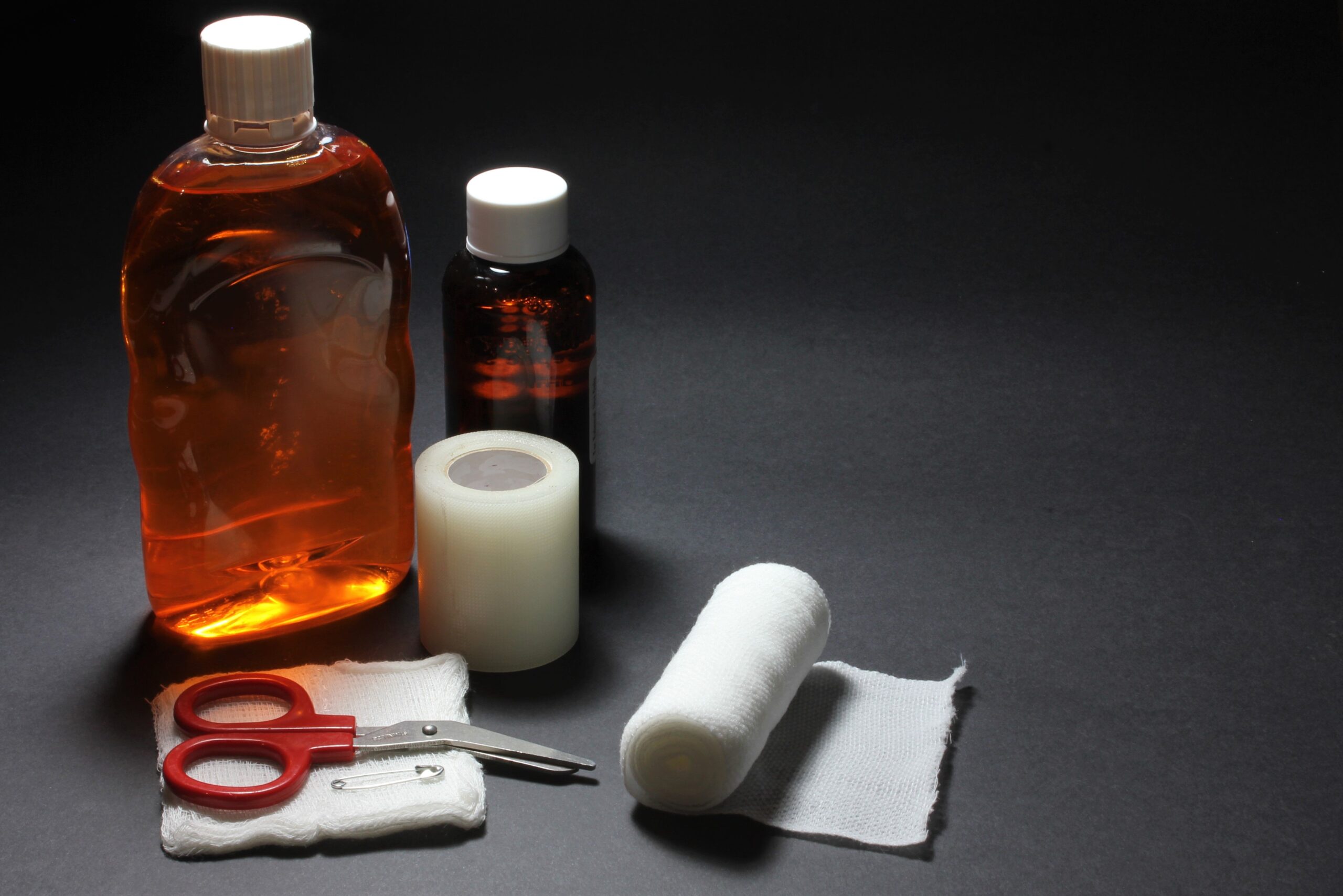
Add these if your budget allows
A few extras strengthen a pet first-aid kit without breaking the bank. A styptic pencil or powder ($4) stops nail-bleed fast, a small bottle of saline ($2) flushes eyes and wounds, and a soft muzzle or a length of gauze to fashion one keeps a pain-frightened animal from biting while you help it. Even a gentle dog may snap when it hurts.
The paperwork that saves time
The cheapest and most overlooked part of a pet first-aid kit is information. Tuck in a card with your vet’s number, the nearest emergency clinic, and the ASPCA Animal Poison Control line. In a crisis your memory goes blank, and having those numbers in the box means you are not fumbling for your phone while your pet needs you.
Also include a copy of your pet’s vaccination records and any medications they take. If you end up at an unfamiliar clinic, that paperwork saves precious time and helps the vet make faster decisions. It weighs nothing and costs nothing to add.
What to leave out
Just as important as what goes in is what stays out of a pet first-aid kit. Skip human pain relievers entirely; ibuprofen and acetaminophen are toxic and even deadly to dogs and cats. Do not include hydrogen peroxide to induce vomiting unless a vet or poison-control expert has told you to use it, because doing it wrong can cause serious harm.
When in doubt, leave medications out and call a professional. A pet first-aid kit is for stabilizing and transporting, not for playing doctor. The ASPCA Animal Poison Control has a helpful checklist and safety guidance if you want to double-check any item before you add it.
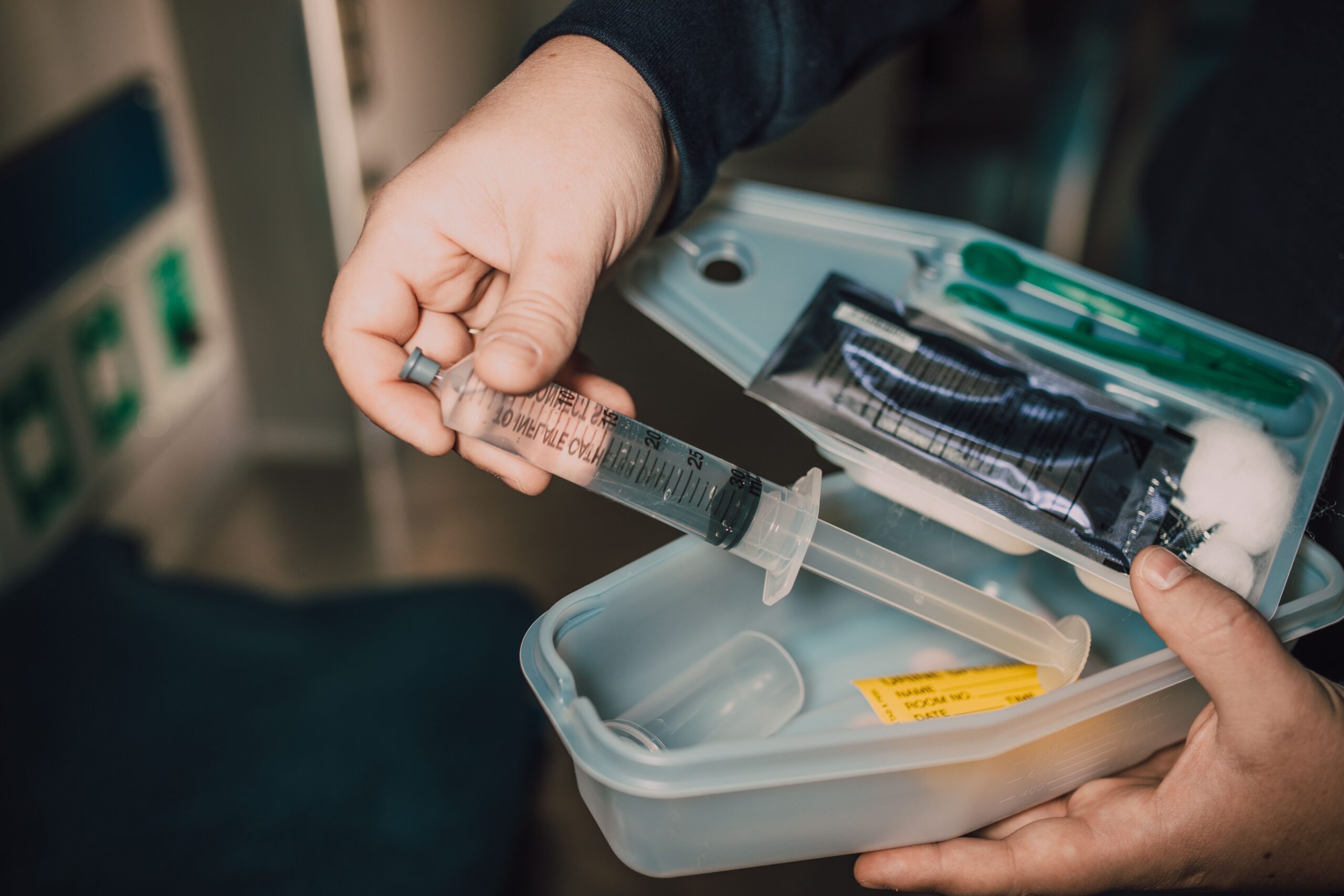
Know how to use each item
A pet first-aid kit is only as good as the person holding it, so spend twenty minutes learning the basics before you ever need them. Practice wrapping a loose gauze bandage on your calm pet so the motion is familiar, and learn where to apply gentle pressure to slow bleeding. Knowing how to safely muzzle a hurt dog with a strip of gauze is a skill worth rehearsing while everyone is relaxed.
Take a few minutes to learn your pet’s normal vital signs too, because you cannot spot trouble without a baseline. Count their resting breaths per minute, feel where the pulse is easiest to find, and note their normal gum color, which should be a healthy pink. When something is wrong, those baselines let you tell a vet exactly how far off things are.
Many local shelters and veterinary offices run short pet first-aid classes, sometimes for free, and they are genuinely worth an afternoon. Pairing a well-stocked pet first-aid kit with a little hands-on knowledge turns you from panicked bystander into someone who can actually help in those crucial first minutes.
Assembling and storing it
Put everything in a single waterproof container: a lunchbox, a zip pouch, or a small plastic bin all work. Label it clearly so anyone in the home can find it, and store it somewhere cool and reachable rather than buried in a closet. A pet first-aid kit only helps if you can grab it in seconds.
Check the kit twice a year, replacing anything expired and restocking what you have used. I tie mine to daylight-saving weekends so I never forget. It takes five minutes and keeps the whole thing ready for the emergency you hope never comes.
Common emergencies and your first move
Knowing the right first step for the most common situations turns your pet first-aid kit from a box of supplies into a real plan. For a bleeding cut, your first move is firm, steady pressure with a gauze pad for several minutes rather than peeking every few seconds, which just restarts the bleeding. For a broken nail that will not stop, a dab of styptic powder usually settles it within a minute.
If your pet is limping but weight-bearing, keep them calm and confined and call your vet for advice before wrapping anything too tightly. Suspected poisoning is different: do not try to treat it from the kit at all, but call poison control immediately and follow their instructions exactly, since the right response depends entirely on what was swallowed.
The thread running through all of these is the same: stabilize, stay calm, and get professional help fast. A pet first-aid kit buys you the minutes you need to do that safely, and knowing your first move for each scenario means you will not freeze when it matters most.
Build yours this weekend
You do not need a stressful Sunday-night scramble to convince you. Grab a container, run through the essential list on one drugstore trip, and assemble your pet first-aid kit in half an hour. It is one of those small preparations you will be endlessly grateful for the first time you actually need it.
Start with the container and the numbers card today, then fill in the supplies this weekend. Peace of mind for under $25 is one of the best deals in pet ownership, and your future panicked self will thank you.
Related reading
- How to Save Money on Pet Food Without Cutting Quality
- 12 Cheap Cat Toys That Beat Anything From the Pet Store
- How to Care for a Dog on a Tight Monthly Budget

Fernanda Amaral writes about making small homes work for pets and their humans — apartment-friendly setups, budget care and organization that actually fits. She shares practical tips tested in real small spaces.