
The month my hours got cut at work, I sat on the kitchen floor of my studio doing math on the back of an envelope, trying to figure out where to trim. My cat Biscuit was winding around my ankles, and the one line I refused to slash was her food budget. I’d heard too many stories of people switching to bargain kibble and ending up with a sick pet and a bigger vet bill. So I went looking for a smarter way.
Here’s what I learned over the following months: you can absolutely save money on pet food without feeding your animal junk. The trick is knowing where the real value lives versus where you’re just paying for marketing. This guide walks through everything that shaved my bill by nearly a third while keeping Biscuit’s bowl every bit as nutritious.
Learn to read the label, not the front of the bag
The single biggest way to save money on pet food is to stop paying for pretty packaging. The front of the bag is marketing; the truth is on the back. Flip it over and read the ingredient list and the guaranteed analysis, because two foods with wildly different prices are often nutritionally almost identical.
Look for a named protein in the first ingredient or two, and check that the food meets AAFCO nutritional standards for your pet’s life stage. The AVMA’s pet care guidance is a solid neutral place to understand what actually matters nutritionally. Once you can read a label, the expensive “premium” brand often loses its shine.
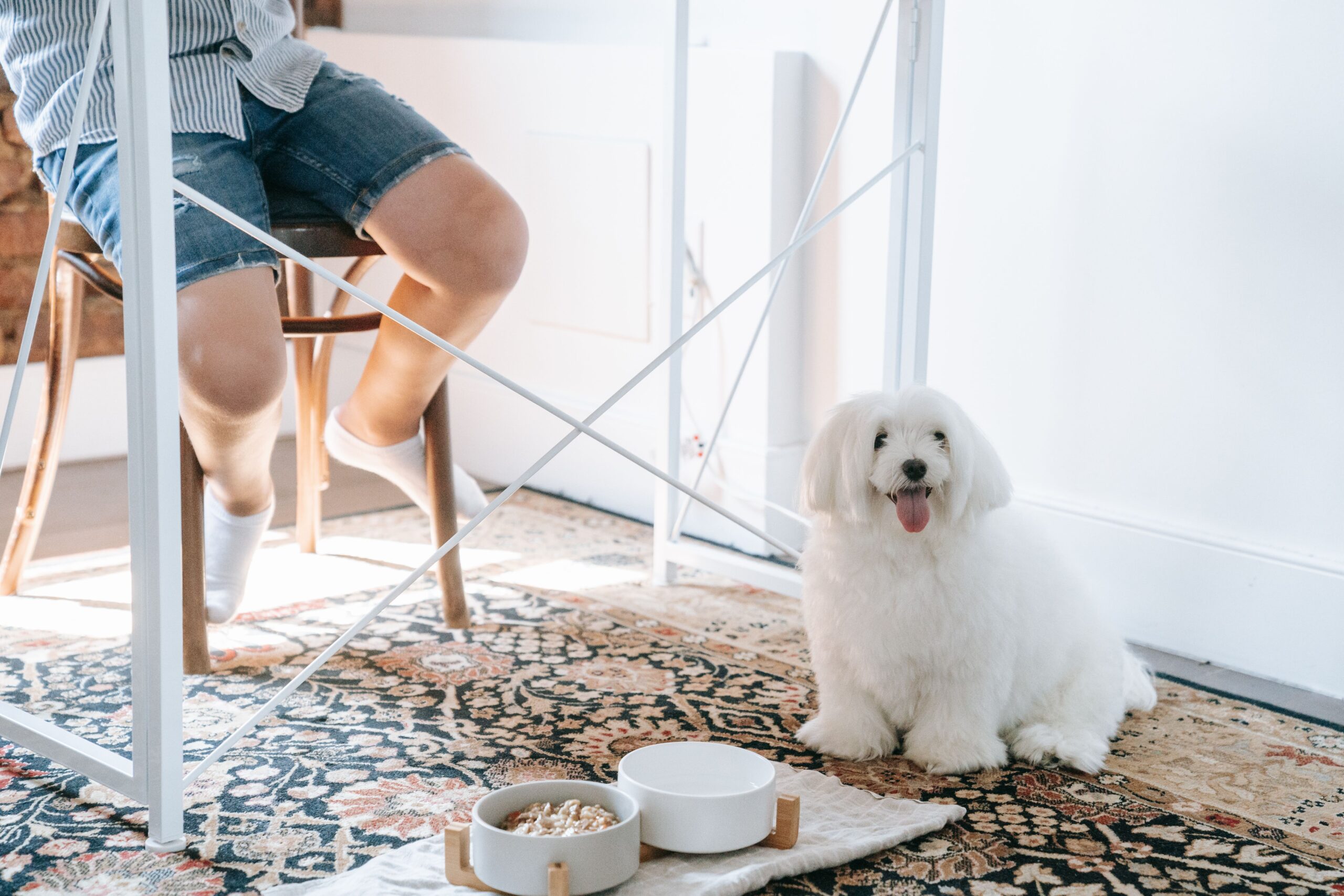
Buy bigger, buy smarter
Cost per pound drops fast as bag size goes up. If you have a spot to store it, the large bag almost always beats the small one, sometimes by 30 to 40 percent per serving. The catch in a small apartment is storage, but that’s a solvable problem, not a dealbreaker.
Subscribe-and-save programs from online retailers stack another 5 to 15 percent off and deliver to your door, which matters when you’re hauling a 30-pound bag up three flights. Set the delivery cadence to match how fast your pet actually eats, and you’ll never pay full retail again.
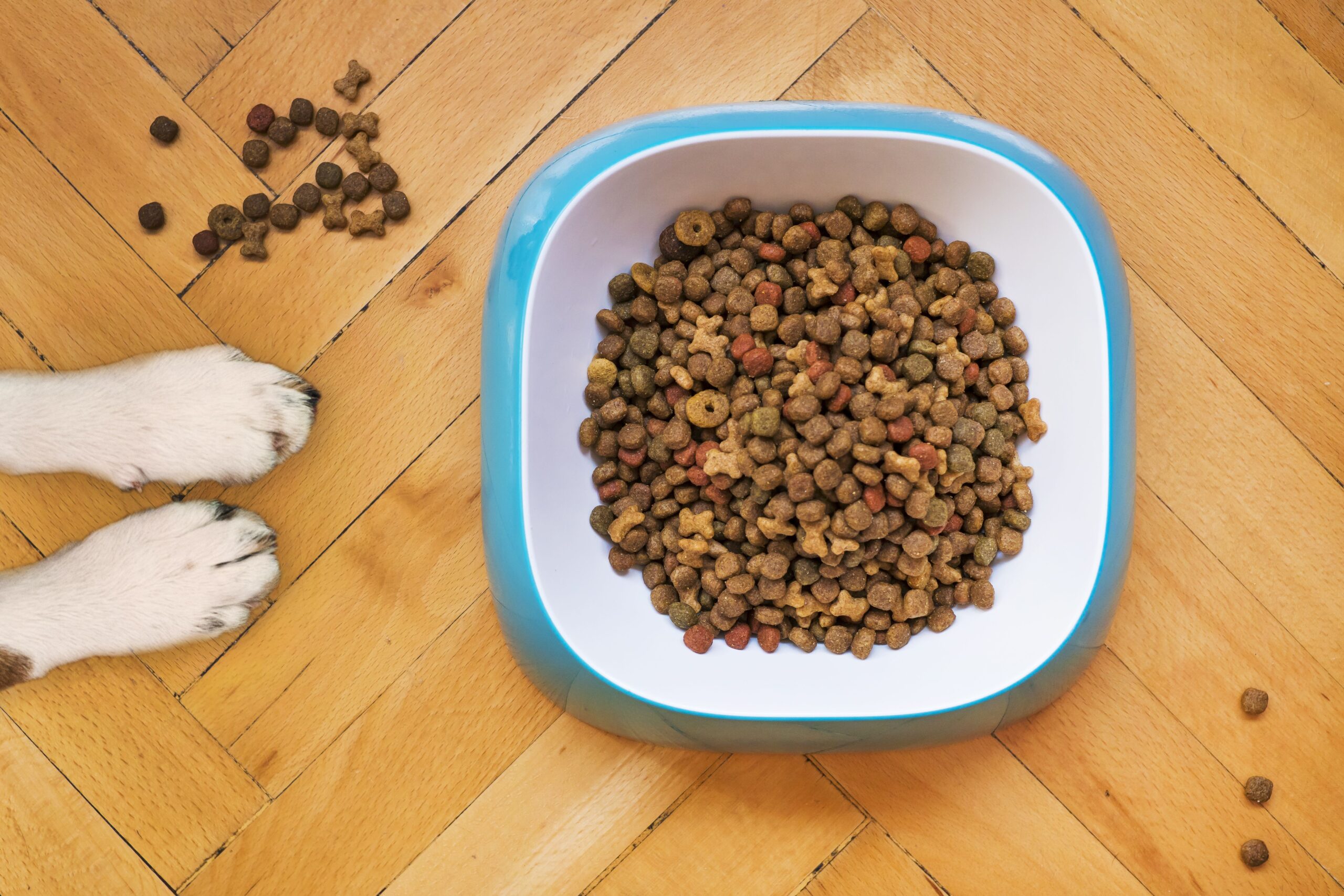
Where to cut and where never to
Some savings are smart and some will cost you later at the vet. Here’s how I sort them:
- Safe to cut: brand-name markups, fancy packaging, trendy “boutique” recipes, and pricey freeze-dried treats.
- Safe to cut: single-serve pouches and cans, which cost far more per ounce than larger tubs.
- Never cut: AAFCO-complete nutrition for your pet’s life stage.
- Never cut: a prescription or vet-recommended diet if your pet has a health condition.
- Be careful: abrupt food switches, which upset stomachs; always transition over a week.
Cutting the first group is how you save money on pet food without your pet ever noticing. Cutting the second group is how you end up back at square one with a sick animal.
Make store brands and vet lines work for you
Store-brand and warehouse-club foods have improved enormously, and many are made in the same facilities as name brands. Compare the label to your current food; if the analysis and ingredients line up, the cheaper bag is doing the same job. I switched Biscuit to a well-reviewed store brand that met every mark, and she never blinked.
Ask your vet, too. They often know which affordable brands are nutritionally sound and can steer you away from the genuinely bad ones. If money is tight overall, my guide to caring for a dog on a tight monthly budget covers the bigger picture beyond just food.
Stop throwing food in the trash
Waste is the silent budget killer. Food that goes stale, spills, or gets overfed is money in the garbage. Store dry food in an airtight container to keep it fresh for its full shelf life, and keep the original bag inside the bin so you retain the batch info and feeding guide.
Measure every meal with an actual cup rather than eyeballing it; most of us overfeed by a surprising amount, which wastes food and pads your pet’s waistline. Precise portions alone can trim a meaningful slice off your monthly spend.
Wet food is another quiet source of waste. An opened can dries out and gets tossed within a couple of days, so buy the size that matches a single serving for your pet, or cover and refrigerate leftovers and use them within 48 hours. If your pet only eats part of a meal, pick the bowl up after 20 minutes rather than leaving food out to spoil. These small habits sound minor, but over a year they add up to real money that would otherwise end up in the bin.
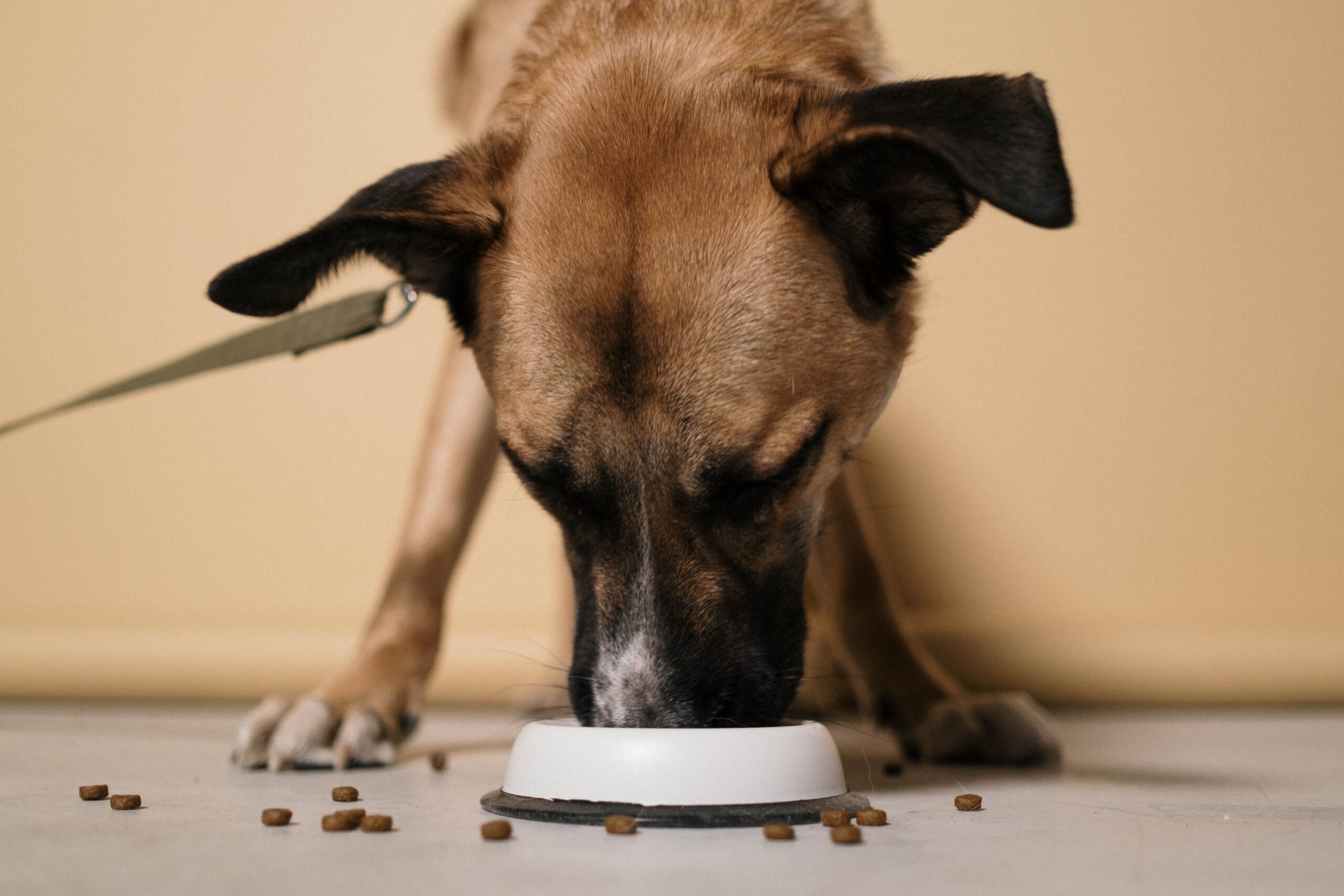
Should you cook for your pet to save money?
It is tempting to think a homemade diet is automatically cheaper, and sometimes it is, but this is the one area where good intentions can backfire. A home-cooked diet that is not carefully balanced can leave your pet short on critical nutrients, and correcting that later costs far more than any grocery savings. If you want to go this route, do it with a vet-approved recipe rather than a random one from the internet.
A gentler middle path is topping a quality commercial base with small amounts of safe fresh food such as plain cooked chicken, carrots, or green beans. You stretch the expensive stuff, add variety your pet enjoys, and keep the nutritional backbone intact. That balance is really the whole philosophy here: save money on pet food by being strategic, not by gambling with nutrition.
Small extras that add up
Skip the pet-store checkout treats and make your own; a tray of baked sweet potato slices costs pennies and most dogs adore them. Sign up for brand loyalty programs and coupon emails, which routinely knock a few dollars off. And check whether your food goes on sale seasonally, then stock up when it does.
None of these is dramatic on its own, but together they compound. For more low-cost enrichment that keeps pets happy without spending, my post on cheap cat toys that beat the pet store is full of near-free ideas.
Avoid the false-economy traps
The cheapest bag on the shelf is not always the cheapest food, and this is where a lot of well-meaning owners slip up. A low-quality food packed with fillers means your pet eats more of it to feel full, so the per-serving cost can quietly match or beat the pricier bag while delivering less nutrition. Always compare the feeding guide, not just the sticker price, and do the math on cost per day.
Watch out for extreme discounts on food nearing its expiration date, too. If your pet cannot finish it in time, you have simply bought waste at a discount. And resist the urge to hoard huge quantities of a food your pet has never tried, since a rejected 40-pound bag is the most expensive mistake of all. Buy a small bag first, confirm your pet likes it and tolerates it, then scale up to save money on pet food the safe way.
Your next step
Tonight, flip over your current bag and read the label. That one habit is the foundation of everything else, and it’s how I finally learned to save money on pet food without gambling with Biscuit’s health. Compare it to one cheaper option this week, transition slowly if you switch, and watch your bill shrink while your pet stays exactly as healthy as before. A few months in, these choices become second nature, and you stop thinking of a good diet as a luxury you cannot afford. Biscuit is proof that a tight budget and a well-fed pet are not opposites at all.
Related reading

Fernanda Amaral writes about making small homes work for pets and their humans — apartment-friendly setups, budget care and organization that actually fits. She shares practical tips tested in real small spaces.