
The first apartment I shared with my dog had a kitchen the size of a closet. There was exactly one lower cabinet with any real depth, and a 30-pound bag of kibble slouched in the corner of it like an unwelcome roommate. Every time I opened the door, the bag tipped, kibble scattered, and I found myself sweeping up stray pieces from behind the trash can. It took me a while to figure out that storing pet food well in a tiny space is less about having more room and more about being deliberate with the room you have.
If you want to store dog food in a small kitchen without it taking over the whole room, the trick is to shrink the footprint, protect the freshness, and make daily feeding effortless. I have tested a lot of setups over the years, in rentals where I could not drill a single hole, and the good news is that the best solutions are cheap, renter-friendly, and take an afternoon at most. Here is everything that has actually worked.
Why proper storage matters more than you think
It is tempting to just roll down the top of the bag and shove it back in the cabinet, but dog food degrades faster than most people realize. Kibble is coated in fats that go rancid when exposed to air, heat, and light, and those fats carry most of the flavor and nutrition your dog actually cares about. Once a bag is opened, the clock starts ticking, and a warm cabinet next to the oven speeds things up.
There is also the pest issue, which hits small apartments hardest because everything is closer together. An open bag is an open invitation to pantry moths and ants, and in a compact kitchen they spread to your own food in days. Sealing the food properly protects both your dog and your groceries, which matters a lot when your entire pantry is two shelves.
Choose the right airtight container for a tight space
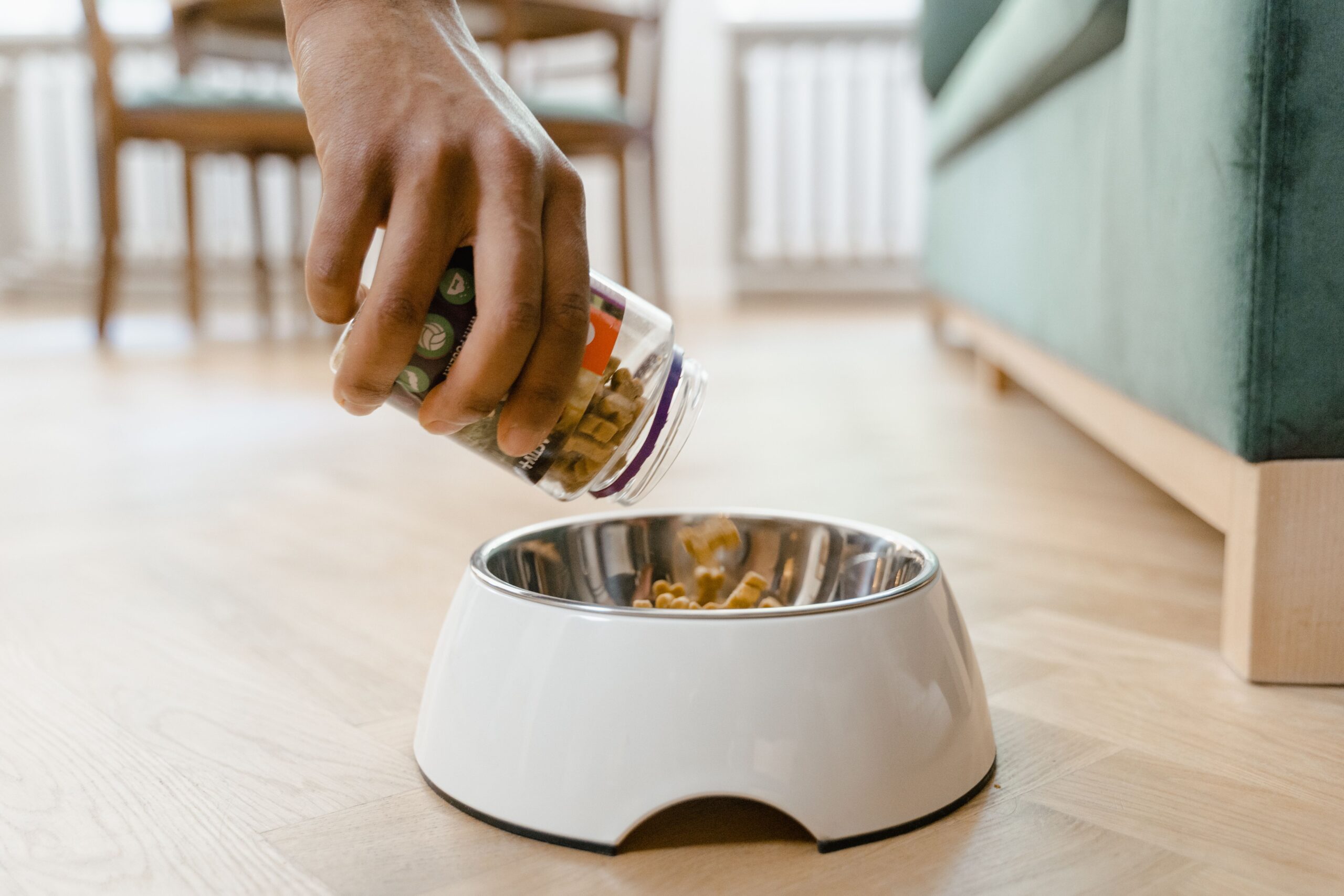
The single best upgrade you can make when you store dog food is a proper airtight container. When you store dog food in a small kitchen, the container does double duty: it keeps the food fresh and it turns a floppy, awkward bag into a stackable box with a flat top you can use. I look for a tight rubber-gasket seal and a shape that fits the space I have rather than the biggest one on the shelf.
Match the container to your dog’s bag size
You do not need a giant bin. A container that holds 12 to 15 pounds runs about $20 to $30 and fits under most counters, while a 30-pound bin ($30 to $45) only makes sense if you buy in bulk and have the floor space. For small dogs eating a cup a day, a slim 6-quart canister ($12 to $18) that lives on a shelf is often plenty and looks far tidier.
Keep the food in its original bag
Here is a detail a lot of people miss: veterinary nutritionists recommend keeping kibble inside its original bag and placing the whole bag into the container. The bag is lined to hold in those fats, and it carries the lot number and expiration date you will want if there is ever a recall. Fold the bag down, drop it in the bin, and seal the lid.
Where to actually put it when every inch counts
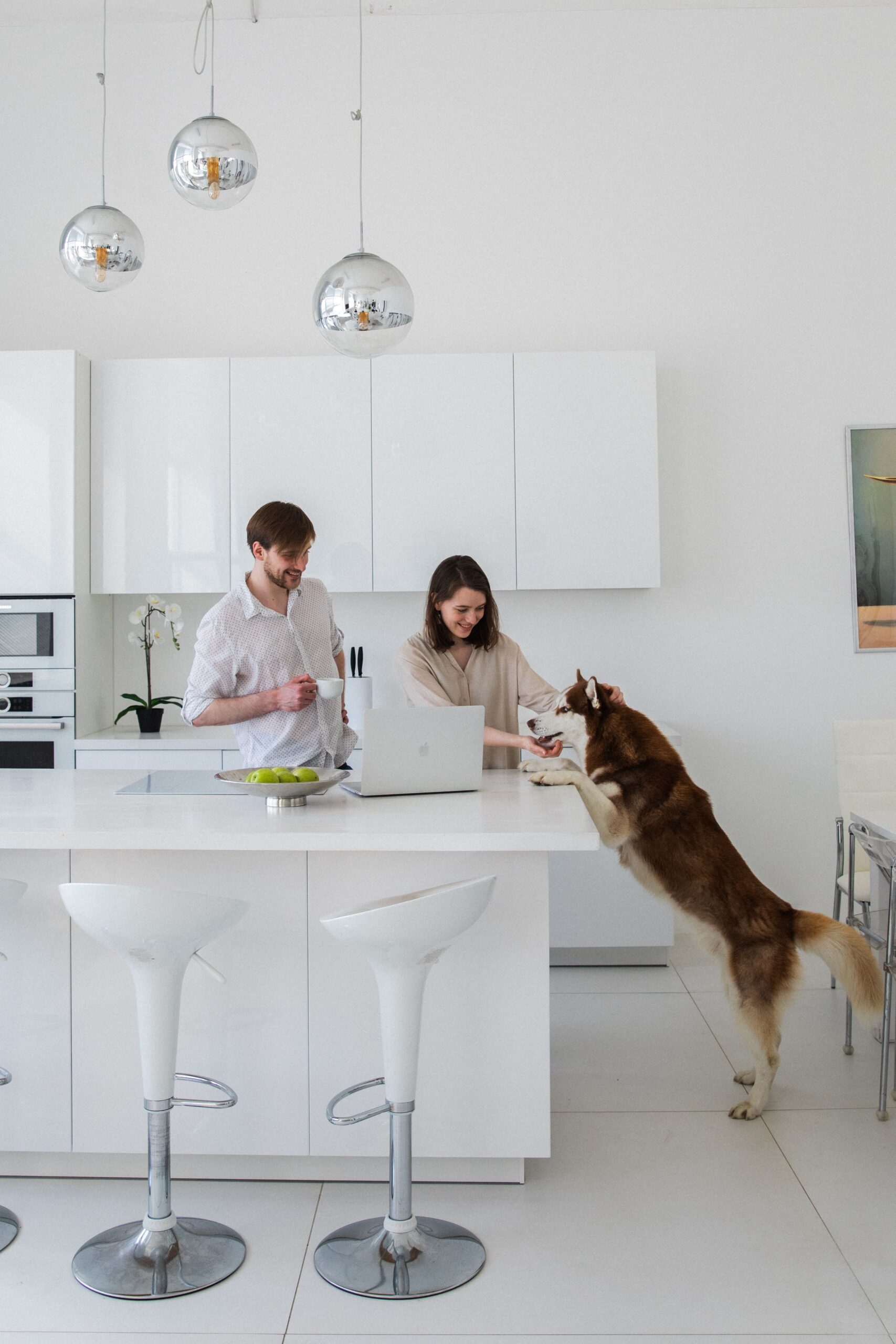
Where you store dog food is where small-kitchen storage lives or dies. The worst spots are the ones that feel obvious: the cabinet beside the stove, the top of the fridge, or anywhere sunlight hits in the afternoon. Heat and light are the enemies of freshness, so I aim for the coolest, darkest corner I can find, even if it is slightly less convenient.
These are the spots that have earned their keep in my tiny kitchens:
- A lower corner cabinet: the coolest zone in most kitchens; use a slim bin so the door still closes.
- Under a rolling cart: a $25 to $40 utility cart holds the bin on the bottom shelf and gives you counter space on top.
- Inside a bench or ottoman: if your kitchen bleeds into the living area, storage seating hides the bin completely.
- The back of a broom closet: often wasted vertical space that fits a tall canister perfectly.
- A wall-mounted shelf (renter-safe): use adhesive brackets rated for the weight to lift a small canister off the counter.
Whatever you choose to store dog food in, keep the bin off the floor if you can. Floors are where humidity collects, where mop water splashes, and where curious noses go rummaging at 6 a.m. Even a couple of inches of clearance makes a real difference.
Simple habits that keep the food fresh
When you store dog food in a small kitchen, good storage is half gear and half routine. When I store dog food, I try to buy a bag size my dog will finish within about six weeks of opening, because that is roughly how long dry food holds its quality once air gets to it. In a small kitchen, a smaller bag also means a smaller bin, which is a win on every front.
I never wash the inside of the bin with soap and let it stay damp, because leftover moisture and oil residue turn rancid and taint the next batch. Instead I let the container fully empty every few refills, wipe it dry with a paper towel, and only then add the new bag. A quick sniff test when I open the lid tells me instantly if something is off; fresh kibble smells faintly toasty, never sharp or sour.
Handling wet food and treats
Opened cans of wet food should go in the fridge with a silicone lid and get used within three to five days. In a packed fridge, I decant leftovers into a small flat container so it stacks instead of hogging a shelf. Treats live in a separate small jar by the door, which keeps training rewards handy without cracking the main bin open ten times a day.
Make daily feeding effortless
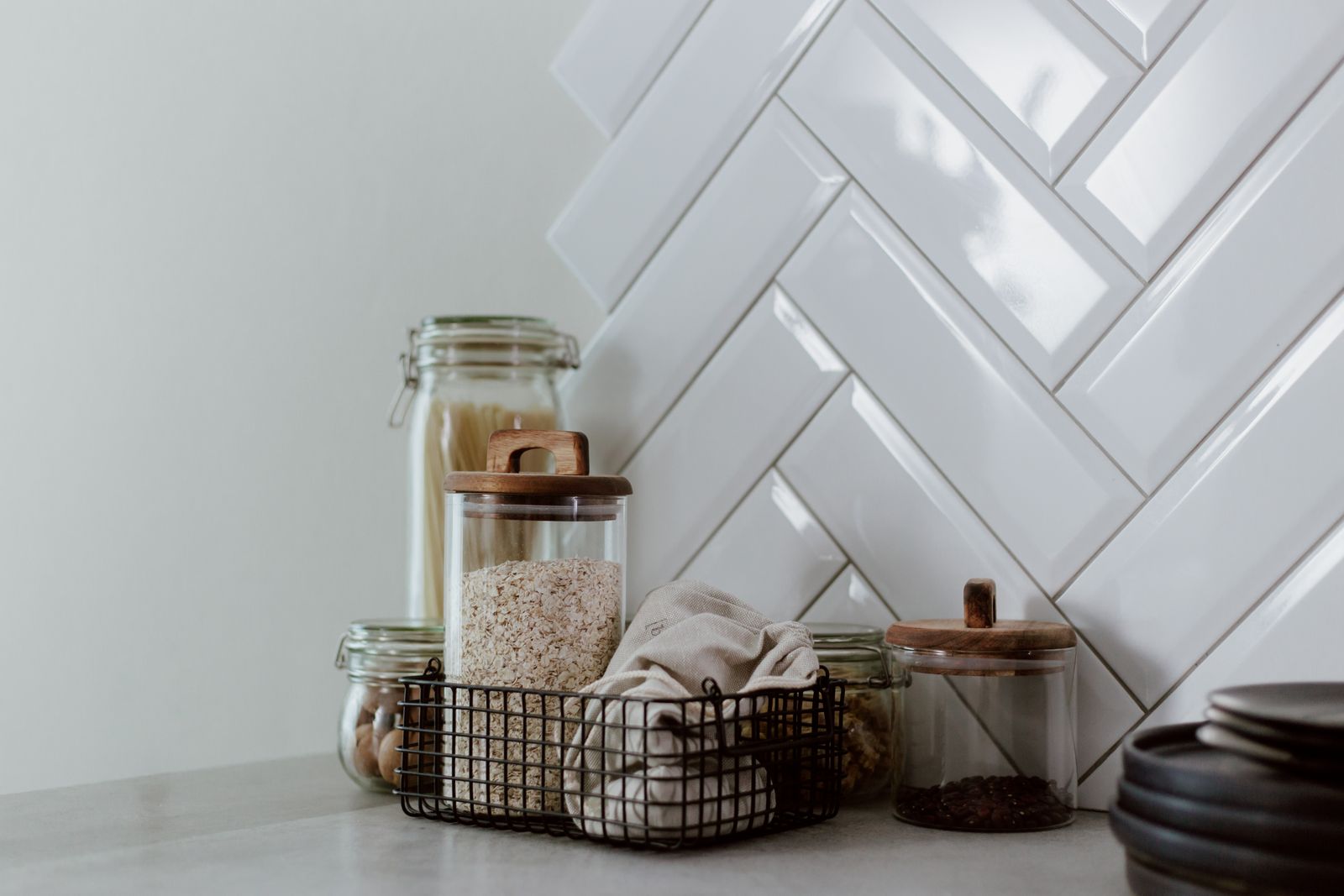
Once you store dog food correctly, the final piece is portioning, because a great storage setup falls apart if scooping is a hassle. I keep a measuring cup or a marked scoop clipped inside the bin so I am never digging for it, and I portion by weight when I can, since a kitchen scale is far more accurate than eyeballing a cup. For a small dog, a few grams of overfeeding a day adds up fast.
If your mornings are chaotic, pre-portioning helps. On Sunday I sometimes measure a week of breakfasts into small reusable cups that nest inside the bin, so weekday feeding is grab-and-pour. The American Society for the Prevention of Cruelty to Animals also has solid guidance on portion sizes and feeding schedules if you want to double-check what your dog actually needs.
Small-space mistakes worth avoiding
A few habits quietly sabotage even a good way to store dog food when you store dog food in a small kitchen. The most common one I see is pouring a fresh bag on top of the old crumbs already sitting in the bin. Those crumbs are the oldest, oiliest bits, and burying them under new food just keeps rancid dust in permanent circulation. Empty and wipe before every refill and the problem disappears.
Another trap is buying the biggest bag to save money when your kitchen simply cannot store it well. A 40-pound bag that goes stale before your small dog finishes it is not a bargain, and it will crowd out everything else you own. In a tight space, the right-sized bag you can actually store correctly beats the cheapest one per pound almost every time. When in doubt, the Association of American Feed Control Officials and your food’s own label will tell you the realistic shelf life after opening.
Bringing it all together
You really can store dog food in a small kitchen without it dominating the room. Pick one airtight container sized to your bag, tuck it into the coolest low corner you have, keep the food in its original liner, and build a two-minute routine around freshness and easy portioning. None of it is expensive, and none of it requires a landlord’s permission.
Start with just the container this week; it is the change you will feel every single day when you store dog food. Once that is sorted, look around your kitchen for one wasted pocket of space, claim it for the bin, and enjoy finally opening a cabinet without kibble spilling out at your feet.
Related reading
- How to Organize Pet Paperwork, Meds and Vet Records
- Leash and Gear Organization: Smart Ideas for Narrow Entryways
- Pet Toy Rotation: The Simple Trick for Happy Pets and Clear Floors

Fernanda Amaral writes about making small homes work for pets and their humans — apartment-friendly setups, budget care and organization that actually fits. She shares practical tips tested in real small spaces.