
I counted them once: my dog owned twenty-three toys, and on any given day he ignored twenty-two of them. They lived in a chaotic pile by the couch, migrated under the furniture, and turned my small living room into an obstacle course of squeaky hedgehogs. Meanwhile he would trot right past the whole heap looking bored. The thing that finally fixed both the boredom and the clutter was almost embarrassingly simple: pet toy rotation.
The idea is exactly what it sounds like. Instead of leaving every toy out all the time, you keep most of them hidden and only put out a small handful, swapping them every few days. Pet toy rotation makes old toys feel brand new to your pet and keeps your floors clear at the same time, which in a small apartment feels like getting two wins from zero dollars. Here is how to make it work.
Why fewer toys means more play
It seems backwards, but animals engage more with less. When every toy is always available, they all become part of the furniture and lose their novelty. Pet toy rotation works because novelty is what actually drives play; a toy your pet has not seen for a week registers as new and exciting, even though you paid for it months ago.
Researchers who study animal enrichment have long noted that novelty boosts engagement, which is why zoos constantly change up their animals’ environments. Your living room is no different. By controlling access, you turn a stale pile into a rotating stream of fresh experiences, and a mentally engaged pet is calmer and less destructive between play sessions.
How to set up your rotation
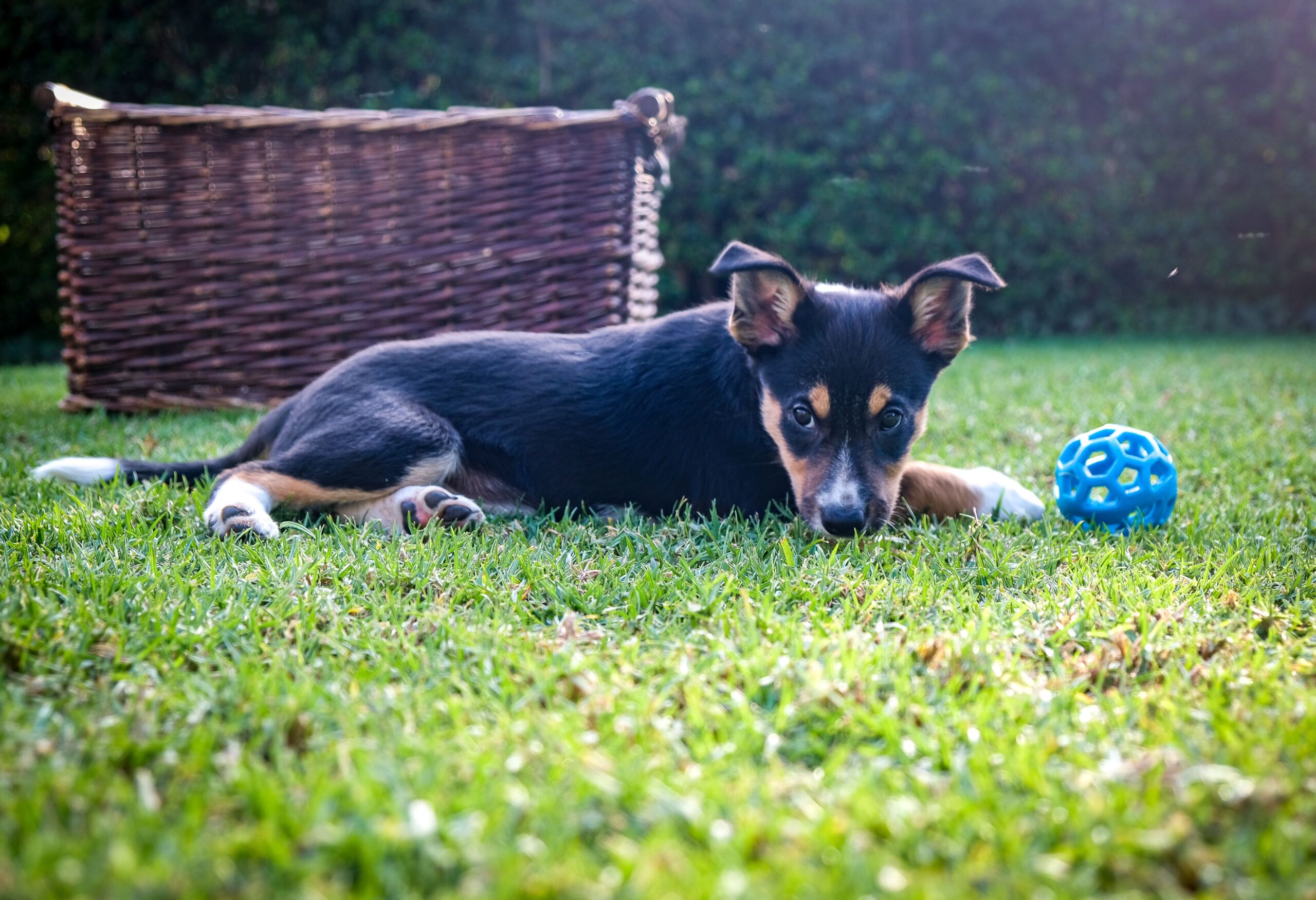
Getting started with pet toy rotation takes about fifteen minutes. Gather every toy your pet owns into one spot so you can see what you actually have, then sort them into groups. I split mine into piles by type so each rotation has a bit of everything my dog likes.
From there, divide the toys into three or four sets of roughly equal appeal. Put one set out and store the rest out of sight. Every few days, swap the active set for a hidden one. That is the entire system, and it works for cats and dogs alike.
- Gather every toy into one pile to see the full collection.
- Sort by type: chew, plush, puzzle, chase, and comfort toys.
- Divide into three or four balanced sets.
- Display only one set at a time in a basket or bin.
- Rotate every three to five days, or when interest dips.
- Retire anything damaged instead of returning it to the cycle.
Pick the right storage
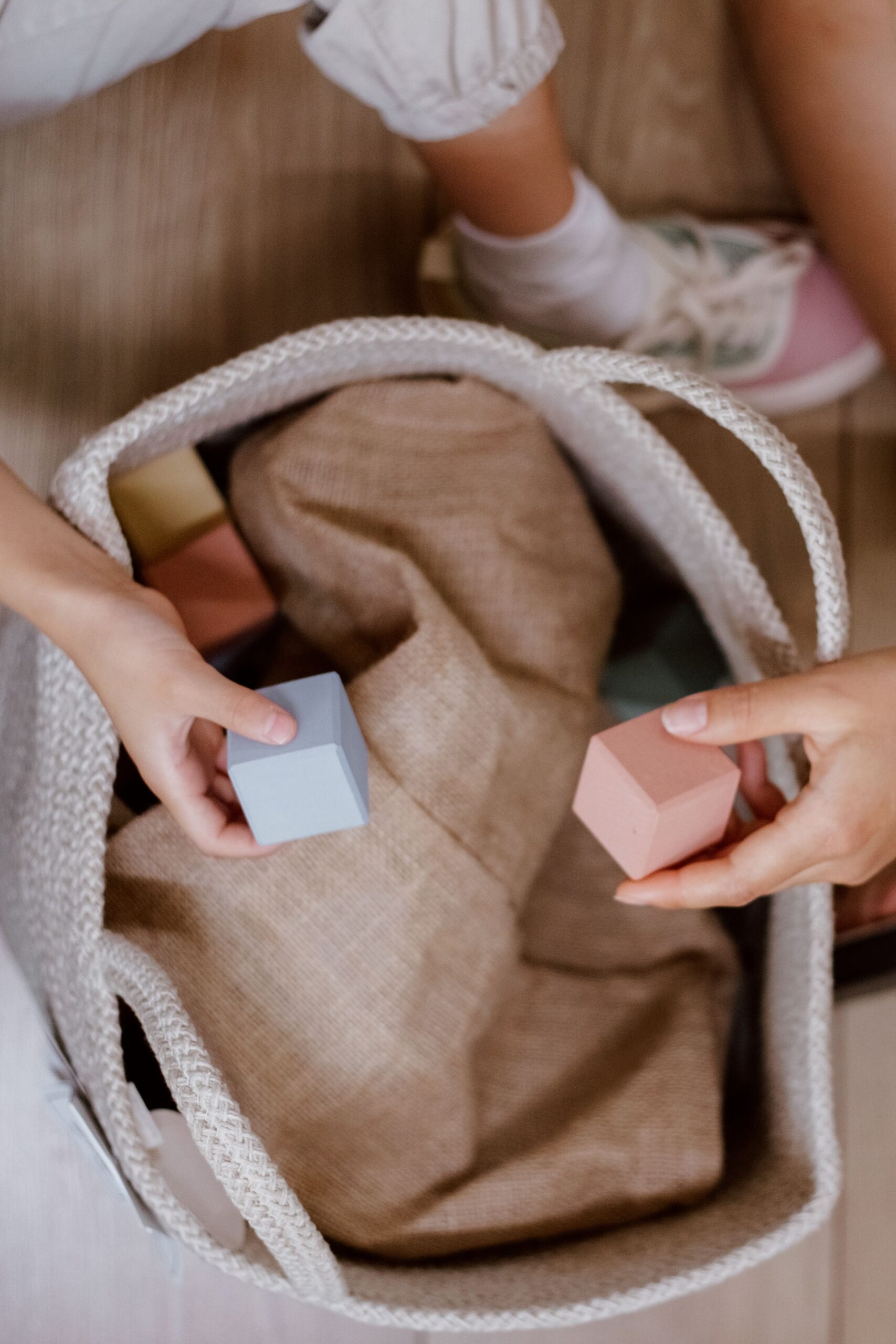
The hidden half of pet toy rotation needs a home, and in a small apartment that home should be out of sight. A lidded bin in a closet, an under-bed box, or a drawer all work well. For the active set, a single open basket in the living room looks tidy and doubles as the signal that these are the toys in play right now.
Timing the swaps
There is no perfect schedule, and the best pet toy rotation timing is the one you will actually keep up. I swap sets every Sunday and every Wednesday, so it is tied to days I already remember. If your pet loses interest faster, rotate more often; if they have a favorite they never tire of, leave that one in permanently and rotate everything around it.
Watch your pet for the cue. The moment a toy gets walked past instead of pounced on, it is time for a swap. Over a few weeks you will learn your pet’s rhythm, and the whole thing becomes automatic. It takes me under a minute now to trade one basket of toys for another.
Keep it safe and clean
A rotation is the perfect built-in moment to inspect toys. Each time you swap, check the outgoing set for rips, loose squeakers, or chewed-off pieces, and toss anything that has become a choking hazard. The ASPCA has clear guidance on safe toy choices if you are unsure whether something is still safe to keep in the cycle.
Swapping is also the ideal time to clean. Toss fabric toys in the wash and wipe rubber ones down before they go back into storage, so each set returns to the floor fresh. In a small apartment where toys share space with everything else, that little hygiene habit keeps odors and grime from building up.
Adapting rotation for multi-pet homes
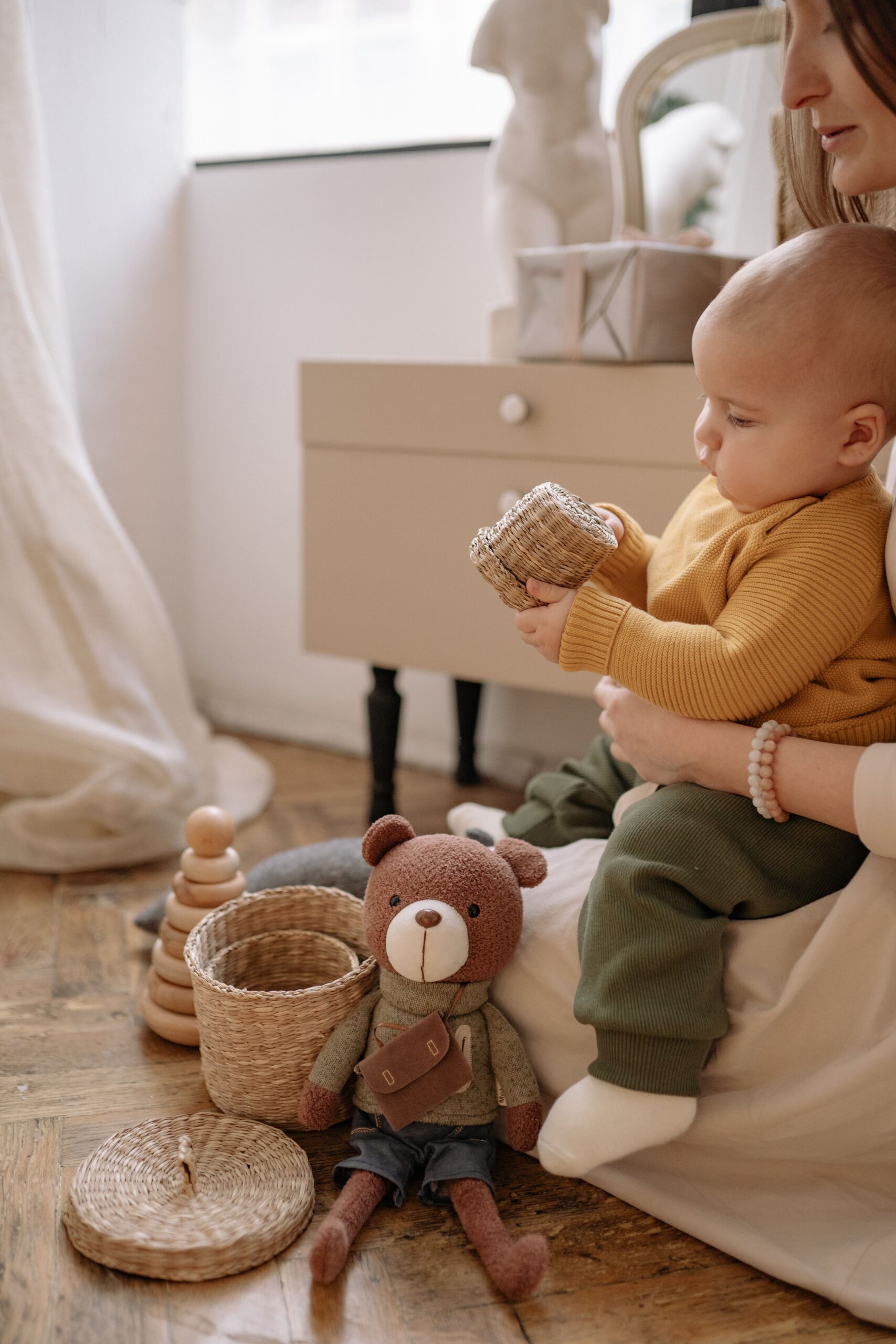
If you share a small apartment with more than one pet, pet toy rotation gets even more useful, because it doubles as a way to head off squabbles. Two dogs eyeing the same twenty toys will still fixate on one and guard it; a smaller, changing set gives you the chance to make sure there is enough of what each animal likes in every rotation. I keep an eye on which pet gravitates to which style of toy and balance the sets accordingly.
Cats and dogs sharing a home benefit too, since their toys are so different that mixing them into one permanent pile just creates clutter neither uses fully. Rotating lets you feature the cat’s wand and crinkle balls one week and lean into the dog’s chews the next, so each animal gets a spotlight without the floor filling up with everyone’s gear at once.
Watch for resource guarding when you reintroduce a favorite after time away. Most pets are simply delighted, but if a returning toy sparks tension, separate the animals during that play session. Used thoughtfully, pet toy rotation actually reduces conflict, because there is always something fresh to go around rather than one contested favorite.
Common rotation mistakes
The most common misstep is rotating too rarely, leaving the same set out for weeks until it goes stale anyway. The whole point is freshness, so err on the side of swapping more often. The second mistake is storing the hidden toys somewhere you cannot easily reach, because a rotation you dread doing is a rotation you will abandon within a month.
Finally, resist the temptation to sneak new purchases into the cycle to speed things up. The magic of pet toy rotation is that it makes existing toys feel new, so give the system a real chance before spending a cent. Most owners find their pet is perfectly happy with what is already in the closet.
What it does for your space
The clutter payoff of pet toy rotation is immediate. Instead of two dozen toys scattered across the floor, you have a single tidy basket, which in a small living room is the difference between chaos and calm. Guests stop tripping over squeaky toys, and vacuuming takes half as long.
There is a quieter benefit too: you stop buying toys you do not need. Once you realize your pet is thrilled by toys they already own simply because they disappeared for a week, the urge to buy the next new thing fades. Pet toy rotation is one of the rare organizing habits that saves money instead of costing it.
Try it this week
Round up every toy tonight, split them into a few sets, and hide all but one. Watch how your pet reacts in a few days when a “new” old toy reappears. It is a genuinely satisfying thing to witness, and it costs you nothing but a bin and a little consistency.
Start the first rotation this week and give it a full month before you judge it. By then the clearer floors and the more engaged pet will have sold you completely, and you will never go back to the giant toy pile again.
Related reading
- How to Organize Pet Paperwork, Meds and Vet Records
- Leash and Gear Organization: Smart Ideas for Narrow Entryways
- How to Store Dog Food in a Small Kitchen (And Keep It Fresh)
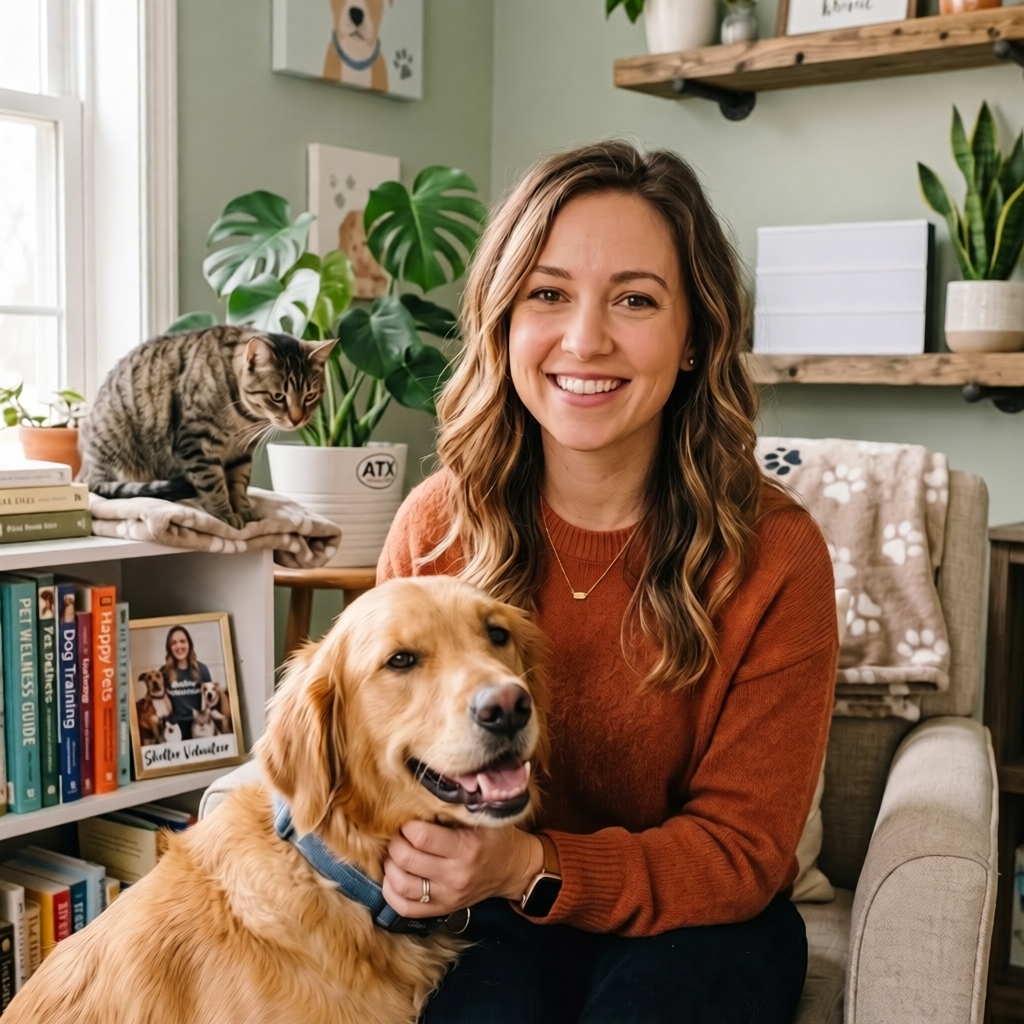
Fernanda Amaral writes about making small homes work for pets and their humans — apartment-friendly setups, budget care and organization that actually fits. She shares practical tips tested in real small spaces.