
If your dog inhales dinner in fifteen seconds flat, you don’t need to buy a fancy gadget to fix it. A diy slow feeder made from things already in your kitchen slows down gulping, prevents the bloating and choking that come with fast eating, and turns a two-minute meal into a satisfying puzzle that tires your dog’s brain. For small-space owners on a budget, that’s a triple win with zero clutter and zero cost. This guide walks through a dozen easy homemade slow feeders, safety notes, and how to match the difficulty to your dog.
Eating fast isn’t just messy; it can cause vomiting, choking, and in deep-chested breeds, a dangerous condition called bloat. A diy slow feeder is one of the cheapest, most effective health upgrades you can make, and most versions take under two minutes to set up.
Why Slowing Down Meals Matters
When a dog gulps food, it swallows air along with it, which causes gas, discomfort, and sometimes regurgitation right after eating. In large, deep-chested breeds, rapid eating is a recognized risk factor for gastric dilatation-volvulus, or bloat, a life-threatening emergency. Slowing the pace also improves digestion and helps a dog feel full, which reduces begging. And because the dog has to work for each bite, a slow feeder delivers mental enrichment that a plain bowl never does, leaving your dog calmer afterward.
The AVMA’s pet care resources note that eating habits affect digestive health, so this small change pays real dividends. Best of all, you can start tonight with items you already own.
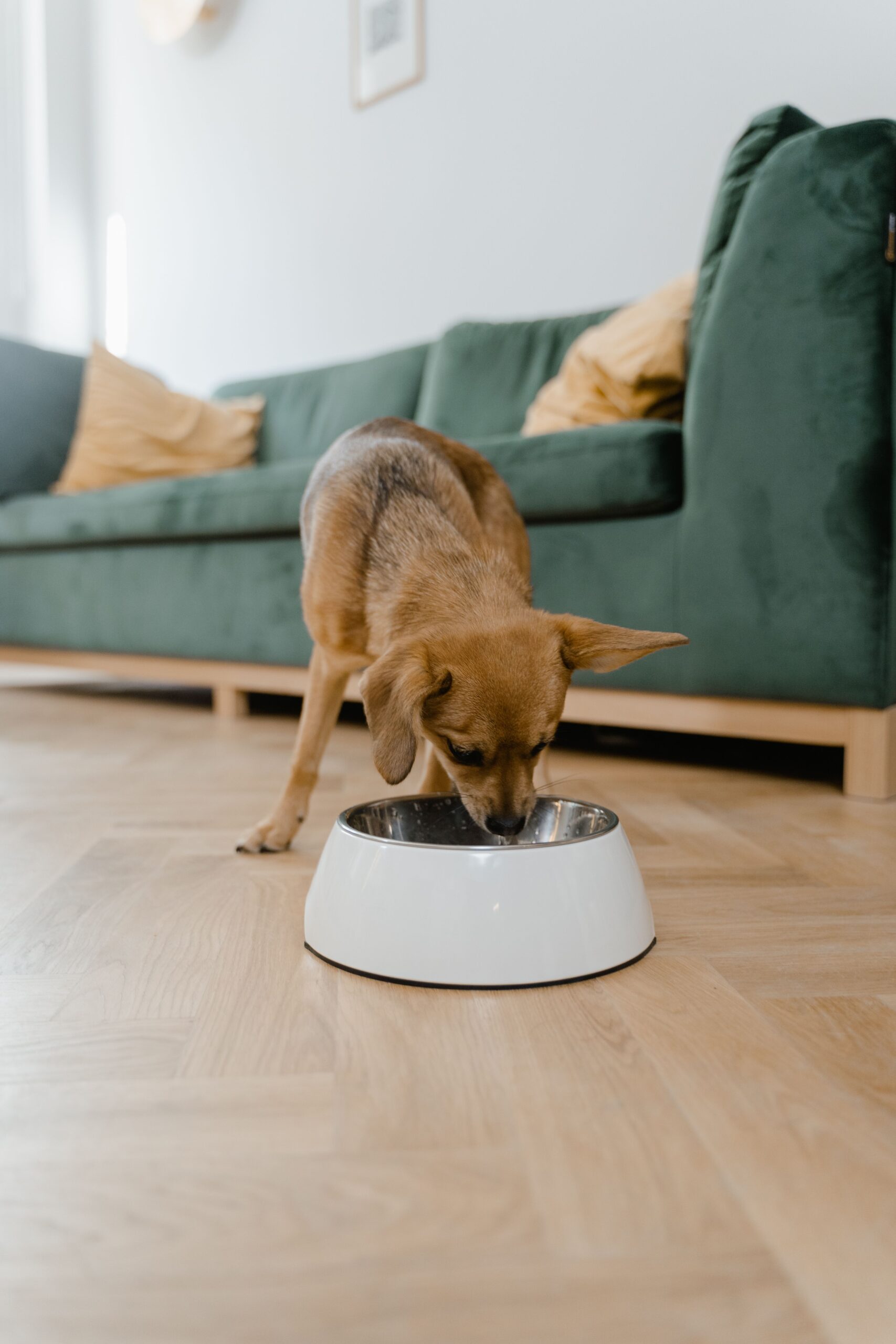
The Muffin Tin Method
The easiest diy slow feeder is a muffin tin. Divide your dog’s portion across the twelve cups, and suddenly your dog has to move from cup to cup instead of gulping one pile. For an extra challenge, place a tennis ball or a small toy in some of the cups so your dog has to nudge it aside to reach the food. It costs nothing if you own a muffin tin, cleans up in the dishwasher, and works for both kibble and wet food.
This method scales to any dog size; use a mini muffin tin for small dogs and a standard one for larger dogs. It’s the perfect first slow feeder because there’s nothing to build and nothing that can be chewed apart.
Kitchen Objects That Work as Obstacles
The core trick behind every slow feeder is putting obstacles in the bowl so food can’t be scooped in one mouthful. Turn a small heatproof bowl upside down inside a larger bowl and pour kibble in the ring around it. Scatter a few clean stones too large to swallow, or a couple of golf balls, across the food. Place a large ball or a rolled-up dish towel in the center of a shallow dish. Each of these forces your dog to work around the obstacle, stretching a meal from seconds to minutes with items from your cupboard.
Always choose obstacles far too big to swallow and made of something your dog won’t chew and ingest. The point is to slow eating, not to create a choking hazard, so supervise the first few meals with any new setup.
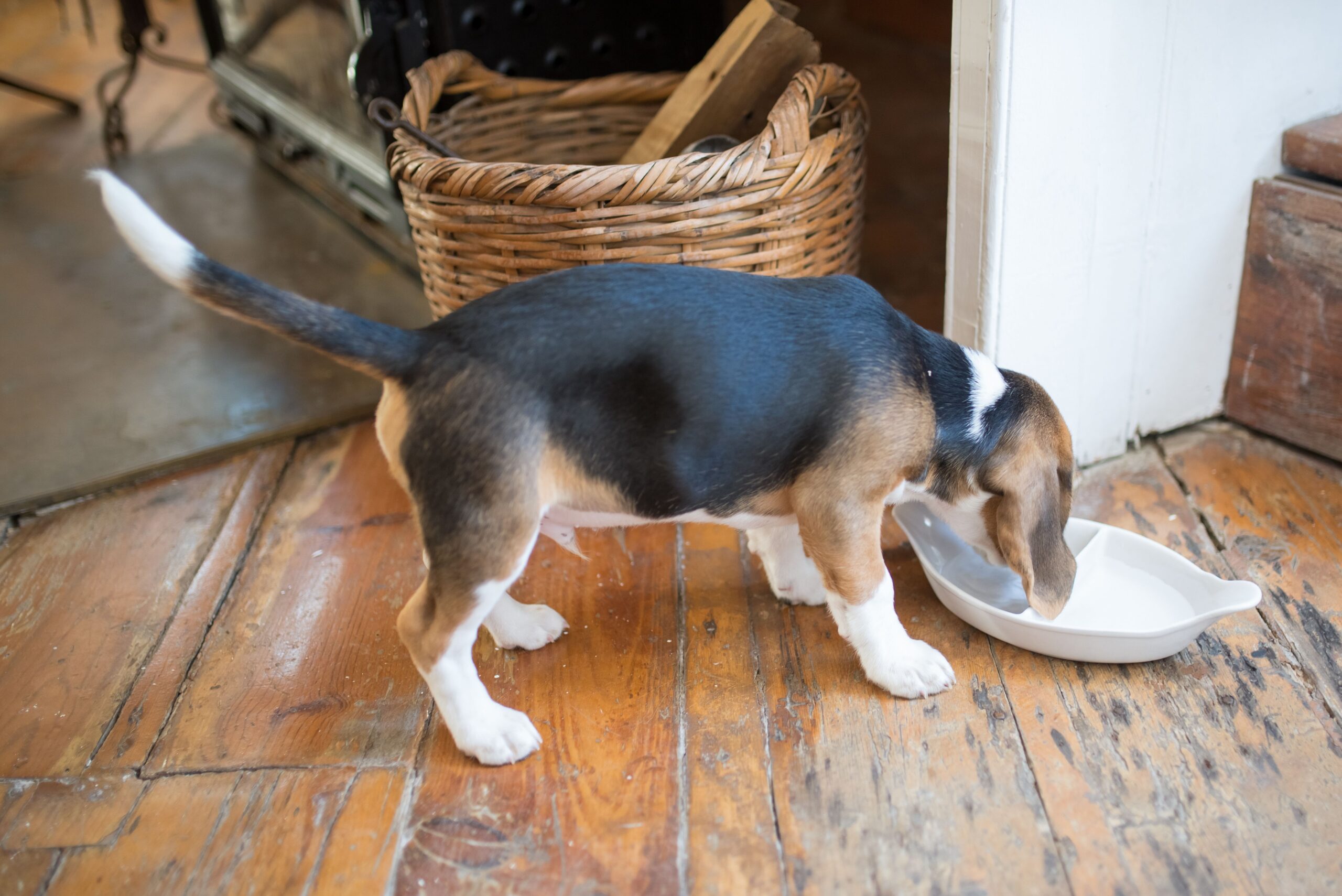
Scatter and Snuffle Feeding
Sometimes the best slow feeder is no bowl at all. Scatter kibble across a clean floor or a large tray so your dog has to hunt each piece, which taps into natural foraging instinct and dramatically slows eating. For a step up, push kibble into the folds of a rolled bath towel or a rubber bath mat with channels, creating a homemade snuffle mat your dog noses through to find every piece. A muffin liner or an egg carton stuffed with food and folded shut adds a shredding puzzle for confident eaters.
Foraging games like these double as enrichment, the same principle behind our diy dog puzzle toys. A dog that has to work for food is mentally engaged and physically slowed, which is exactly what you want.
Frozen and Stuffed Feeders
For the longest-lasting slow feeder, go frozen. Mix your dog’s wet food or moistened kibble with a little water, pack it into a rubber toy or a silicone mold, and freeze it. A frozen feeder can stretch a meal to twenty or thirty minutes and is a lifesaver on hot days or when you need your dog occupied. You can also freeze food into an old ice cube tray for portioned, lick-based feeding that soothes anxious dogs.
Keep frozen fillings simple and dog-safe, sticking to your dog’s normal food plus water rather than random human ingredients. If you want to make food dollars stretch further while doing this, our tips to save money on pet food pair well with portion-controlled frozen feeding.
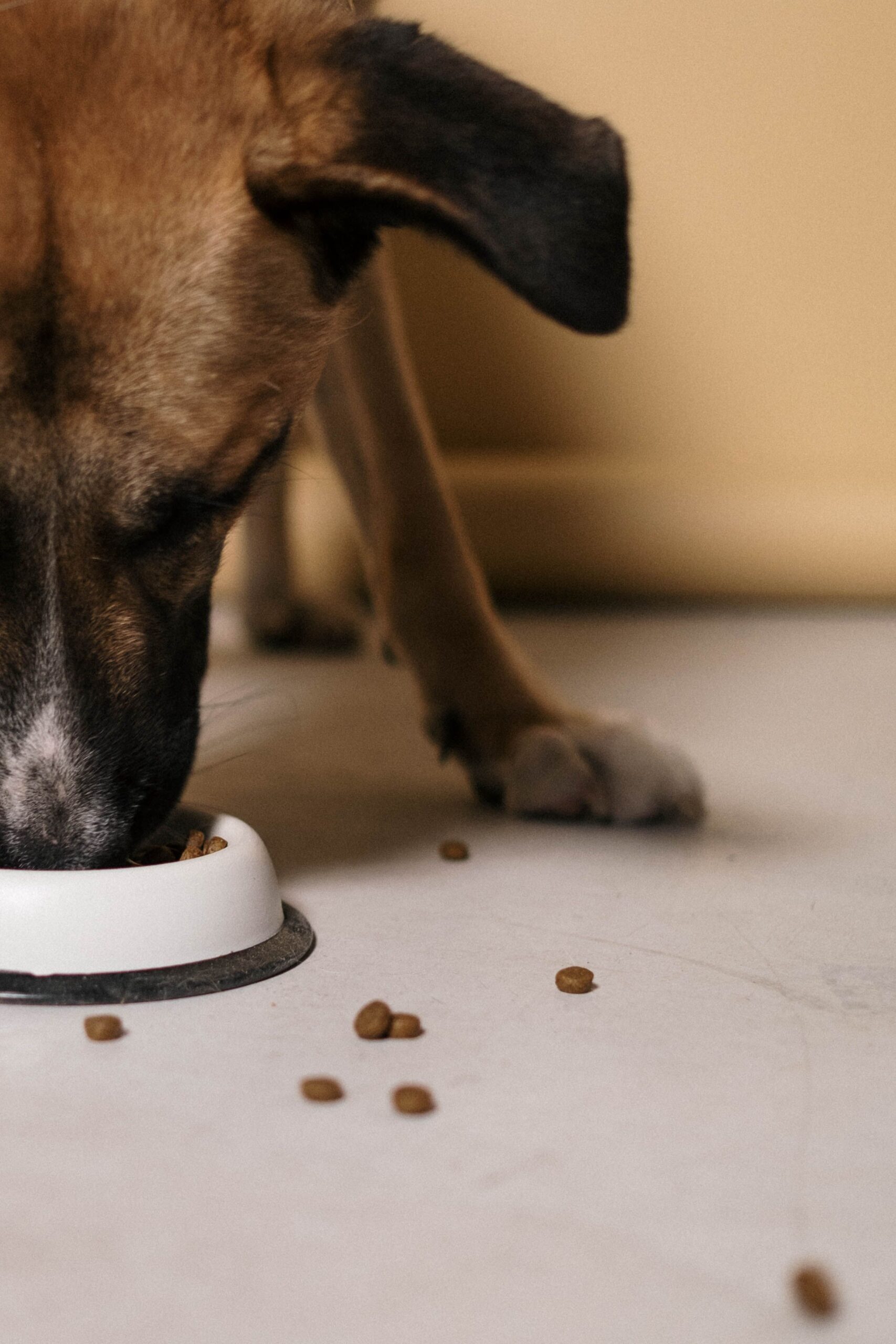
Match the Difficulty to Your Dog
Start easy and build up. A dog new to slow feeding can get frustrated if the first puzzle is too hard, and a frustrated dog may give up or knock the whole thing over. Begin with a muffin tin or a simple obstacle, and once your dog has the idea, add complexity like a snuffle mat or frozen feeder. Watch for frustration signs, whining, pawing hard, walking away, and dial the difficulty back if you see them. The goal is a pleasant challenge, not a battle.
Rotate between a few methods so meals stay interesting. Just as with enrichment toys, novelty keeps a dog engaged, and rotating your diy slow feeder setups prevents your dog from figuring out a shortcut and speeding right back up.
Safety and Cleaning Notes
A few rules keep homemade feeders safe. Never use anything small enough to swallow, anything that splinters, or anything with sharp edges. Supervise the first several uses of any new feeder to be sure your dog interacts with it safely and doesn’t chew off pieces. Wash feeders after every meal, since food residue in crevices grows bacteria fast, especially with wet or frozen fillings. Toss any cardboard or paper feeders once they’re shredded rather than letting your dog eat the packaging.
If your dog has a medical condition or is a heavy chewer, check with your vet about which methods suit them. The ASPCA’s general dog care guidance is a good reference for safe feeding practices. When in doubt, the muffin tin and scatter methods are the safest starting points.
Slow Feeders for Cats, Too
The same ideas work beautifully for cats, who benefit just as much from slower, more natural eating. Cats are foragers by nature, so hiding small portions of kibble around a room turns dinner into a hunt that satisfies their instinct to work for food. A muffin tin or an egg carton works for cats as well, and a plastic bottle with a few holes cut in it becomes a rolling treat dispenser that scatters kibble as your cat bats it around. Because cats often eat several small meals a day, spreading food into a couple of puzzle spots also helps free-feeders slow down without you having to stand guard over the bowl.
If you have both a cat and a dog, keep their feeders separate and out of each other’s reach, since a dog will happily raid a cat’s slow feeder and undo all your careful pacing. Feed them in different rooms or at different heights, and each pet gets the slow, enriching meal it needs. A cheap homemade feeder for each animal costs nothing and keeps a multi-pet household calmer at mealtime.
Start Tonight
You don’t need to spend a cent or wait for a delivery to slow your dog’s eating. Grab a muffin tin, flip a bowl inside another, or scatter dinner across a tray, and you’ve built a diy slow feeder in under two minutes. Your dog eats safer, digests better, and gets a little mental workout with every meal. Try one method tonight, see how your dog responds, and build from there. If you enjoy quick homemade projects, our DIY dog bed from an old sweater is another easy, budget-friendly upgrade for your pet.
Fernanda Amaral writes about making small homes work for pets and their humans — apartment-friendly setups, budget care and organization that actually fits. She shares practical tips tested in real small spaces.