
It was raining for the third day straight, my apartment felt about the size of a shoebox, and my dog was staring at me with that specific look that means “entertain me or I will find my own fun.” I did not have the energy for another walk in the downpour, and I definitely was not driving to the pet store for another $25 puzzle feeder he would solve in four minutes. So I grabbed a muffin tin and some tennis balls from the closet, and ten minutes later he was happily nose-deep in a game I had made for free. That was the day I became a convert to DIY dog puzzle toys.
Here is what surprised me most: the homemade versions often work better than the store-bought ones. DIY dog puzzle toys let you match the difficulty to your specific dog, refresh them whenever they get too easy, and use up things you were about to throw away. Every idea below costs less than five dollars, most cost nothing at all, and you can build them in the time it takes to make a cup of coffee.
Why puzzle toys matter in a small space
In a small apartment, a bored dog is a destructive dog, and DIY dog puzzle toys are one of the best tools I have found for burning mental energy without needing floor space to run. Ten minutes of sniffing and problem-solving can tire a dog out as much as a much longer walk, which is a lifesaver on rainy days or after a long shift when you cannot get out.
Mental enrichment also reduces the anxious behaviors that make apartment living hard, like barking at every hallway noise or chewing the furniture. DIY dog puzzle toys give that outlet cheaply and let you rotate novelty in constantly, which is the real secret to keeping a smart dog engaged. A toy your dog has never seen is far more interesting than the tenth repeat of the same store puzzle.
The muffin tin classic
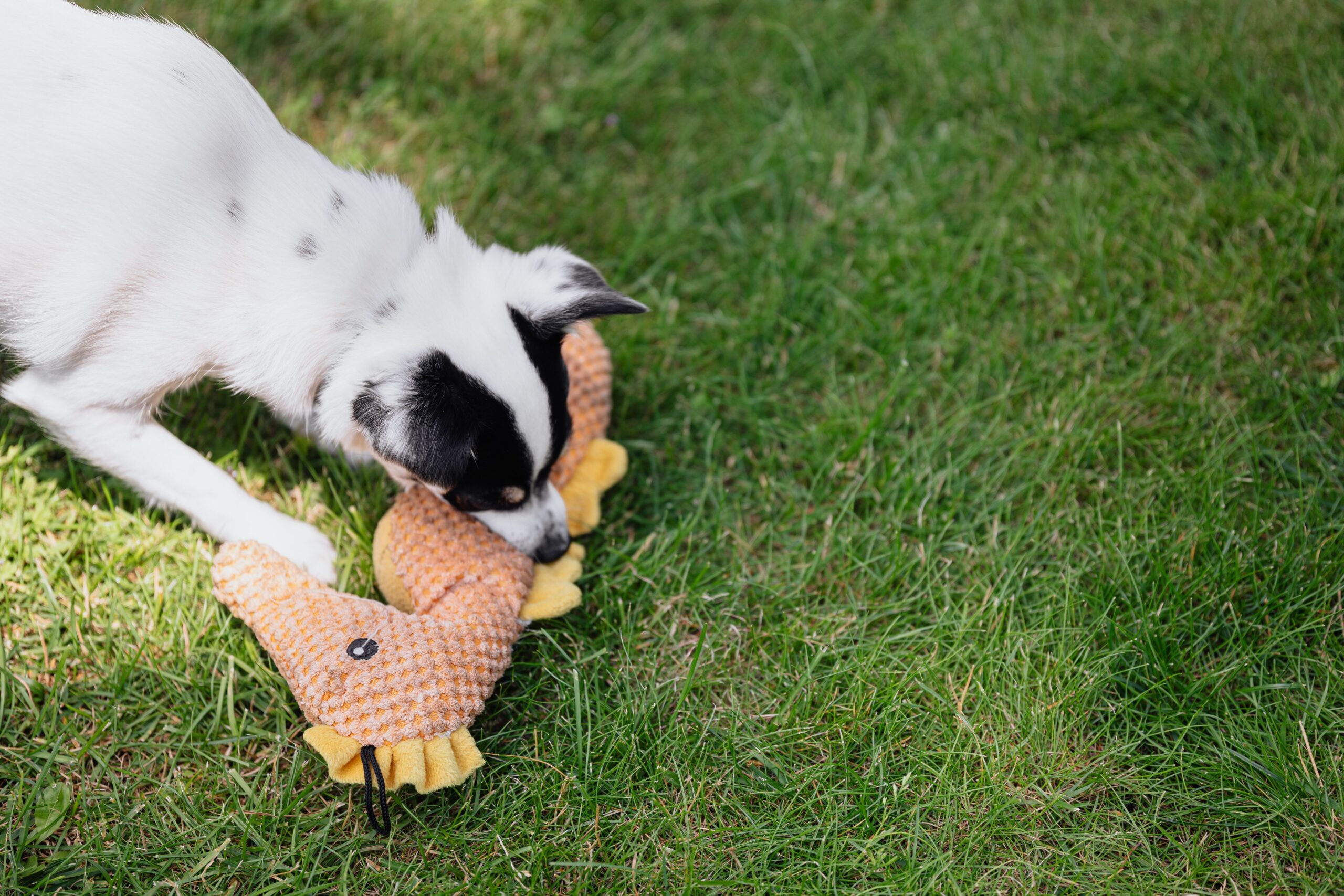
If you only try one of these DIY dog puzzle toys, make it this one. Take a standard muffin tin, drop a treat or a little kibble into some of the cups, then place a tennis ball or a rolled sock over every cup. Your dog has to nudge and lift each ball to find which ones hide food underneath, and it keeps most dogs busy far longer than you would expect.
The beauty is how easily you can scale the difficulty. For a beginner, leave a few cups uncovered so they get the idea. For a pro, cover every cup and only bait two or three. I have used this same tin for years, and it still works because the layout changes every single time.
The towel burrito
Lay an old towel flat, scatter kibble across it, then roll it up loosely or tie it in a few loose knots. Your dog has to unroll and nose through the folds to get every piece. It costs nothing, it is machine washable, and it is one of the gentlest DIY dog puzzle toys for a nervous or older dog who might find a rigid puzzle intimidating.
Cardboard and paper games
Your recycling bin is a goldmine for DIY dog puzzle toys. An empty toilet-paper tube with the ends folded shut and a treat inside becomes a two-second puzzle your dog gets to shred, which is half the fun. Stack a few filled tubes upright inside a shoebox for a harder version, and you have a multi-layer game that cost you absolutely nothing.
Cereal boxes work the same way. Nest a small box inside a bigger one, tuck treats between the layers, and let your dog dismantle the whole thing. Supervise the shredding so nobody eats cardboard, but a little destruction is exactly the point. These are the DIY dog puzzle toys my dog gets most excited about, precisely because he is allowed to demolish them.
Bottle and container puzzles
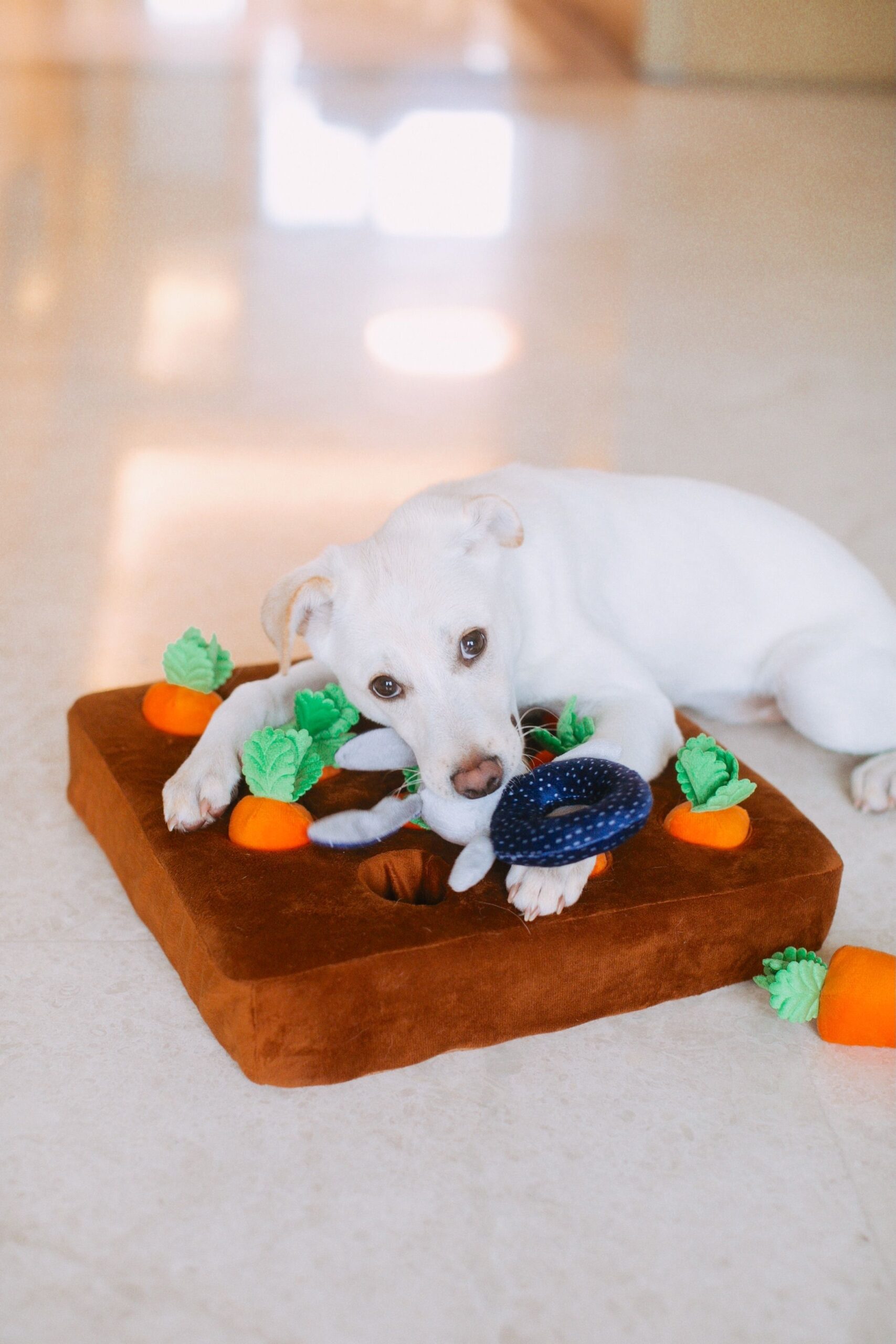
A clean plastic bottle with the cap and ring removed makes one of the most satisfying DIY dog puzzle toys and a fantastic treat dispenser. Drop in some kibble and let your dog roll and paw it until pieces fall out the neck. For a sturdier take, cut a few holes in a plastic tub with a lid, put treats inside, and watch your dog work out the angles.
Always supervise bottle play and swap the toy out the moment it starts to crack, since sharp plastic edges and swallowed caps are real risks. Used sensibly, these are some of the longest-lasting DIY dog puzzle toys because you can make a fresh one from the recycling any time the old one wears out.
Safety rules before you start
Homemade does not mean risk-free, so a few ground rules keep the fun safe. Keep these in mind with every project:
- Always supervise the first few sessions with any new puzzle.
- Size the parts so nothing is small enough to swallow whole.
- Skip anything sharp or with staples, glue, or ink your dog will lick.
- Retire toys as soon as they crack, fray, or get chewed down.
- Count the treats and subtract them from meals to avoid overfeeding.
- Match the challenge to your dog so frustration never turns into quitting.
The ASPCA has solid general guidance on enrichment and safe play if you want to read more about why this kind of mental exercise matters so much for dogs stuck indoors.
Match the puzzle to your dog
Not every dog approaches a puzzle the same way, and matching the style to your dog’s personality makes all the difference. A high-drive breed like a terrier or collie wants a challenge that takes real work, so a tightly packed towel burrito or a nested-box puzzle keeps them thinking. A gentler or older dog does better with an easy win, like a lightly covered muffin tin, so they stay confident instead of giving up.
Food-motivated dogs will engage with almost anything you hide a treat in, while a toy-driven dog might prefer a squeaky object tucked inside the puzzle instead. Pay attention to what makes your dog light up, and lean into it. The best DIY dog puzzle toys are the ones built around what your particular dog already loves to do.
If your dog gets frustrated and walks away, the puzzle is too hard, not the dog too dumb. Drop the difficulty, let them succeed a few times, and build back up slowly. Success is what keeps them coming back, and a dog that enjoys the game will happily play far longer than one you have accidentally set up to fail.
Keeping the novelty alive
The trick that keeps DIY dog puzzle toys working long-term is rotation. Instead of leaving everything out at once, keep two or three puzzles in play and stash the rest in a drawer. Swap them every few days and each one feels new again, so you get months of engagement out of a handful of free objects.
I like to bump up the difficulty gradually too. Once my dog can empty the muffin tin in under a minute, I start covering more cups or nesting boxes deeper. Watching him get visibly smarter about solving them is genuinely one of my favorite parts of apartment life with a dog.
Try one tonight
You almost certainly have everything you need for at least one of these puzzles within arm’s reach right now. Grab a muffin tin or an empty box, hide a few pieces of your dog’s dinner, and watch what happens. It is the fastest way to turn a restless evening into a calm one.
Start with the muffin tin tonight, note how long it keeps your dog busy, and build from there. Once you see how much a five-minute homemade game settles a bored dog, you will never look at your recycling bin the same way again.
Related reading
- 8 IKEA Hacks That Work Really Well for Pet Owners
- DIY Cat Shelves That Won’t Damage Your Rental Walls
- How to Sew a No-Slip Pet Food Mat in 20 Minutes
Fernanda Amaral writes about making small homes work for pets and their humans — apartment-friendly setups, budget care and organization that actually fits. She shares practical tips tested in real small spaces.