
Sharing a small home with a cat or dog has one downside every guest notices before you do: the smell. When square footage is tight, odor has nowhere to go, and it settles into rugs, upholstery and the air itself. The good news is that a small apartment smell like pets is almost always fixable without harsh chemicals or a bigger budget. This guide breaks down exactly where pet odor comes from and the realistic daily and weekly habits that keep a compact space fresh.
Why small apartments trap pet odor
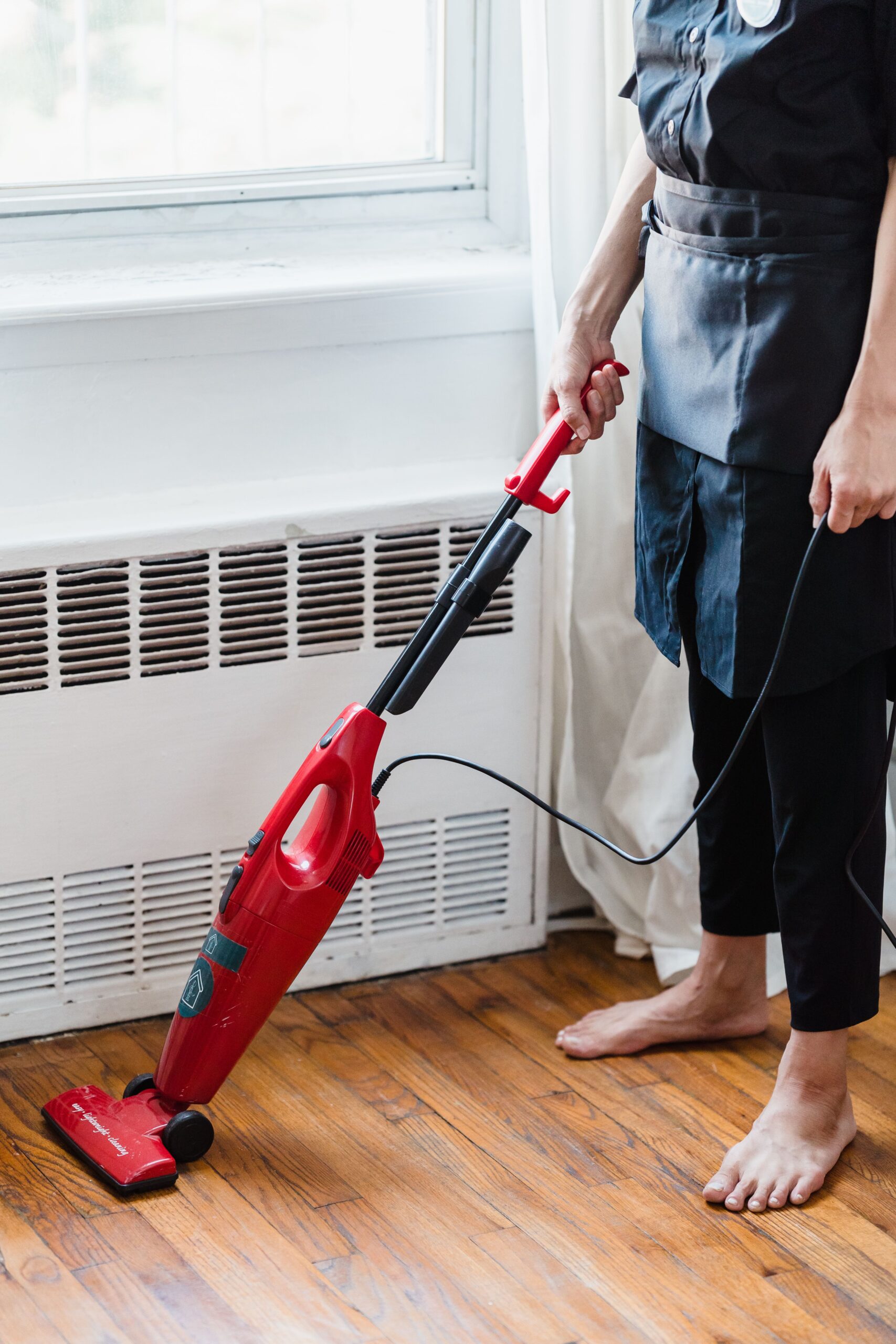
Odor is really just tiny particles suspended in the air and embedded in soft surfaces. In a large house, air volume dilutes those particles; in a 450-square-foot studio, the same amount of dander and moisture concentrates fast. Carpet, curtains, a fabric couch and even your mattress all act like sponges. Add poor ventilation — common in rentals with sealed windows — and you get a space where a small apartment smell like pets builds up long before you consciously notice it. Understanding this tells you where to focus: air, soft surfaces, and the litter or potty zone.
It also helps to do an honest sniff test when you first walk in after being out for a few hours. Your nose adapts to constant smells, so the moment you return from work is the most accurate read you will get on how bad the problem really is. Note which room hits hardest — that tells you whether to prioritize the litter zone, the sleeping area, or the general air, instead of scrubbing everything at once.
Start at the source: litter boxes and potty areas
No air freshener beats removing the odor at its origin. Scoop litter boxes at least twice a day and do a full litter change weekly. Placement matters as much as cleaning — a box crammed into a closet with no airflow concentrates smell, while a well-ventilated spot disperses it. Our guide to litter box placement in a small apartment covers the exact trade-offs. For dogs, clean up accidents immediately with an enzyme cleaner, since ordinary soap leaves proteins that keep drawing your pet back to the same spot.
Wash the soft surfaces your pet actually touches
Pet beds, blankets and the corner of the couch your dog claims are the biggest hidden odor reservoirs. Wash pet bedding weekly in hot water, and keep a machine-washable throw over your pet’s favorite furniture spot so you can launder it instead of the whole sofa. Curtains and rugs hold smell too; a monthly wash or a good shake-out and steam makes a noticeable difference. If you have more than one animal, the shared-space routines in our post on living with two cats in a small apartment help keep the fabric-heavy areas under control.
If you want a broader cleaning rhythm that covers more than just odor, our lazy person’s guide to keeping a pet-filled apartment clean pairs a light schedule with the smell routine here so the whole space stays fresh with minimal effort.
Vacuum smarter, not just more often
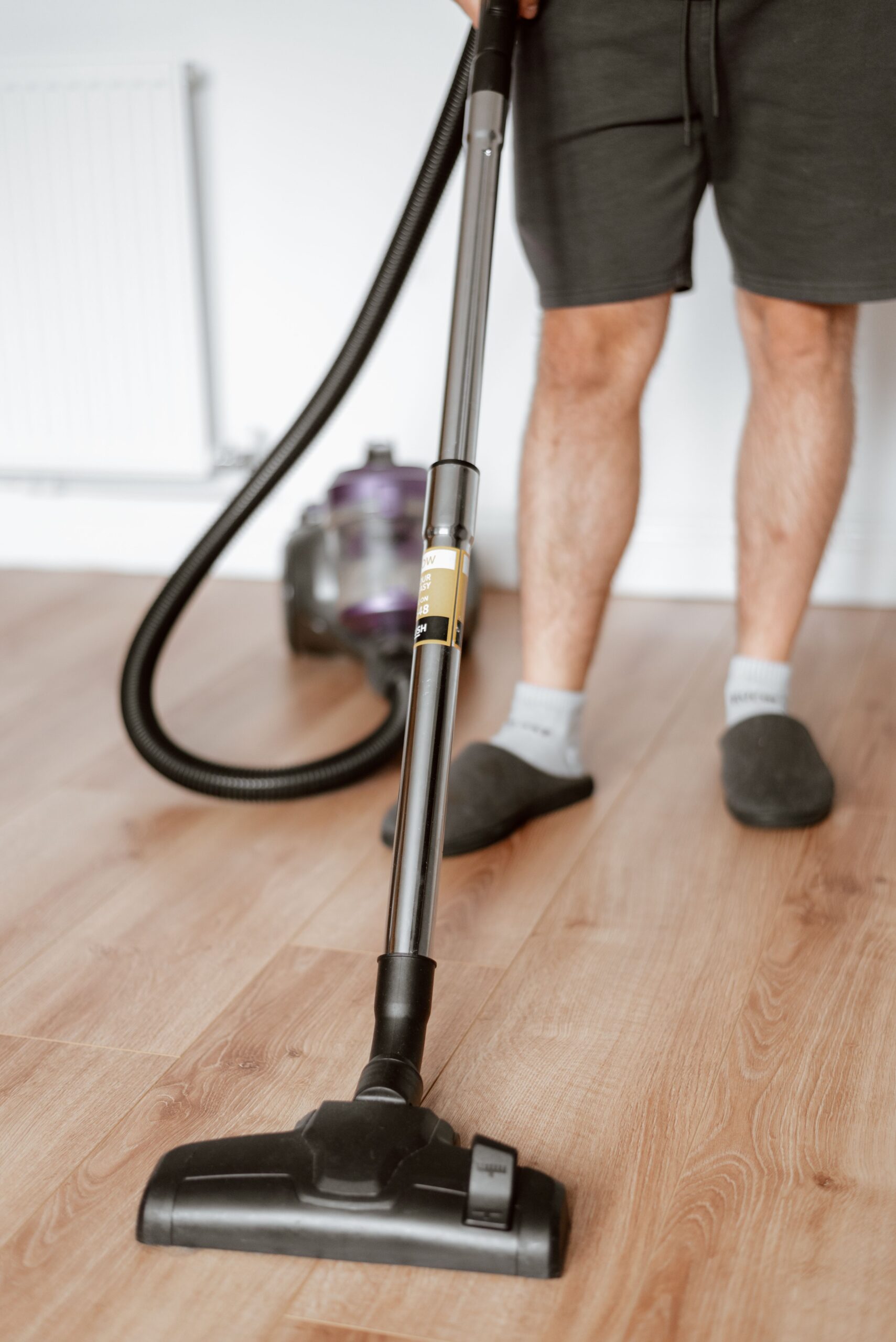
Loose hair and dander are odor carriers, so vacuuming is your highest-impact habit. Use a vacuum with a HEPA filter and go over high-traffic rugs and upholstery every two or three days. Don’t forget vertical surfaces and baseboards where dander drifts and settles. A $15 rubber pet-hair brush pulls embedded fur out of a couch that a vacuum alone will miss. The goal is to remove the particles that hold smell before they have time to spread through your compact space.
Empty the vacuum canister or change the bag frequently, too. A full canister recirculates trapped dander and can actually make a room smell worse, which is a common reason people feel like their apartment smell like pets even right after cleaning.
Improve airflow without cranking the AC
Stale air is why a closed-up apartment smell like pets hits you the moment you walk in. Open windows for ten minutes twice a day to flush the air, even in winter. A small fan positioned to push air toward a cracked window creates cross-ventilation in a room with only one opening. If your rental allows it, a compact HEPA air purifier rated for your room’s square footage runs quietly and continuously removes dander and odor particles for a few dollars of electricity a month.
Position matters with airflow: place the purifier or fan near the pet’s main hangout rather than in a far corner, so it captures particles close to the source. In humid climates, a small dehumidifier also helps, because damp air holds and amplifies odor far more than dry air does.
Use safe, pet-friendly odor absorbers
Skip plug-in sprays loaded with chemicals and reach for absorbers instead. An open box of baking soda in the litter area, activated charcoal bags near pet zones, and a light sprinkle of baking soda on rugs before vacuuming all pull odor out of the air rather than masking it. Be careful with essential-oil diffusers and many scented products, as several are toxic to cats and dogs; the ASPCA keeps a current list of pet hazards worth checking before you introduce anything new.
Groom your pet to cut odor at the source
A clean pet is a less smelly pet. Regular brushing removes loose, dander-heavy undercoat before it lands on your furniture, and it cuts the amount of hair you have to vacuum. Bathe dogs on a schedule that suits their coat and skin — over-bathing dries skin and can make odor worse. Wipe paws and rear areas as needed, and keep ears clean, since ear infections are a surprisingly common source of a persistent doggy smell that no amount of cleaning the apartment will fix.
Grooming has a compounding benefit: less loose hair means less dander in the air and fewer particles for your soft surfaces to trap. Many owners find that a consistent brushing routine does more to stop their apartment smell like pets than any product they buy, because it cuts the odor load before it ever reaches a rug or cushion.
Build a simple daily and weekly odor routine
Consistency beats intensity. A workable rhythm is: scoop litter and do a two-minute air-out every day, vacuum high-traffic zones every two or three days, and wash pet bedding plus wipe down favorite furniture spots once a week. Do a deeper reset monthly. Written out, it looks like a lot, but each task is small, and together they keep a small apartment smell like pets from ever taking hold. The households that stay fresh are simply the ones that never let odor accumulate in the first place.
Keep a short checklist on the fridge for the first few weeks until the routine becomes automatic. Once it is a habit, the whole system takes only a few minutes a day, and you stop reacting to a small apartment smell like pets and start preventing it entirely.
The bottom line on a fresh, pet-friendly apartment
You do not need to choose between having pets and having a home that smells clean. Target the source with litter and potty hygiene, wash the soft surfaces that trap odor, vacuum and ventilate regularly, and lean on safe absorbers rather than chemical sprays. Layer those habits into a light daily routine and your compact space will smell fresh to you and to every guest who walks through the door.
One last tip for renters: avoid trapping odor with wall-to-wall soft furnishings. Washable rugs beat fitted carpet, leather or tightly woven fabric on furniture releases smell more easily than plush upholstery, and blinds are easier to keep fresh than heavy drapes. Small material choices like these quietly stack the odds in your favor, so the daily routine has less to fight against and your home stays comfortable for both you and your pet.
Fernanda Amaral writes about making small homes work for pets and their humans — apartment-friendly setups, budget care and organization that actually fits. She shares practical tips tested in real small spaces.