
If you share a small home with a cat or a dog, you already know how fast their gear multiplies. A single trip to the pet store turns into three half-used bags of treats, a toy your dog sniffed once, and a harness that never fit right. When you finally decide to declutter pet stuff, the hardest part is not the sorting — it is admitting how much of it your pet has never actually used. This guide walks you through a calm, room-by-room approach that clears space without tossing anything your animal genuinely needs.
Why pet clutter piles up faster than you think
When you set out to declutter pet stuff, the first surprise is how sneaky pet gear is. Unlike clothes or kitchenware, it arrives in small, cheap increments — a $4 toy here, a free sample bag there — so it never feels like a purchase worth questioning. In a 500-square-foot apartment, though, those small items add up to a drawer that won’t close and a closet shelf you can’t see the back of. The average dog owner in the United States spends roughly $40 to $60 a month on supplies, and a good chunk of that becomes clutter within weeks. Recognizing that the problem is volume, not any single item, makes it far easier to declutter pet stuff without guilt.
It also helps to notice where the clutter lives. Free samples and impulse buys tend to collect in the same three places: a kitchen drawer, the entry closet, and under the bathroom sink. Those hotspots are worth checking first, because clearing them gives you an immediate, visible win. Momentum matters more than perfection here — one tidy drawer makes the next zone feel less overwhelming, and it reminds you that most of what accumulated was never a deliberate choice in the first place.
Start with the toy bin: the 80/20 rule for pets
Most pets play with about 20 percent of their toys 80 percent of the time. Dump the entire toy bin onto the floor and watch which ones your pet actually goes for over a few days. The three or four favorites stay. Anything chewed to the point of being a choking hazard goes straight in the trash — a frayed rope toy or a cracked hard-plastic ball is a genuine risk, not a keepsake. Clean, ignored toys are perfect donation candidates. If you want your remaining toys to feel new again, a rotation system stretches their novelty; our guide on toy rotation shows how to keep just a handful in circulation at a time.
When you are deciding what to donate, give questionable fabric toys the sniff-and-stretch test. If a plush toy is matted, smells even after washing, or has loose stitching that a determined chewer could pull apart, it is safer in the trash than in a donation box. Hard rubber toys, on the other hand, usually clean up well in warm soapy water and are exactly what budget-conscious shelters need. Aim to end the toy audit with a bin you can actually close.
Sort food, treats and medication by expiration date
Head to wherever you keep consumables and check dates. Half-open treat bags that have gone stale, expired flea medication, and that supplement you bought on a whim all need to go. Never keep expired medication “just in case” — dosing and potency change, and the ASPCA maintains detailed guidance on safe storage and what counts as a hazard. You can review their poison-control resources if you are unsure whether something is still safe. Consolidate what’s left into airtight containers so you can see exactly how much you have.
Tackle the ‘someday’ pile: beds, crates and outgrown gear
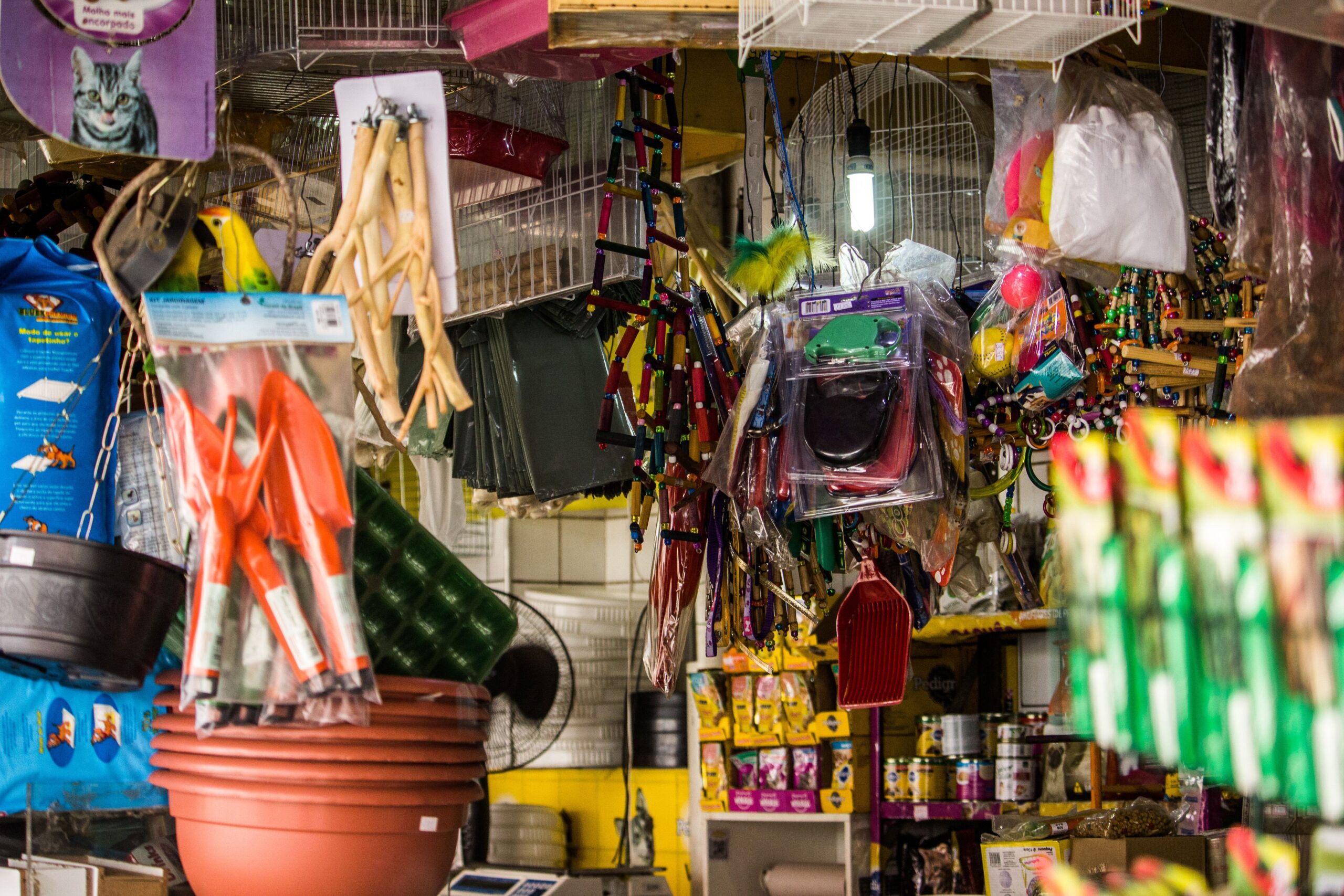
Every pet owner has a someday pile: the second bed your cat refuses to sleep in, the puppy crate your 60-pound dog outgrew, the winter coat that never fit. These bulky items eat the most space in a small home, so this is where you declutter pet stuff with the biggest visible payoff. Be honest — if your pet has snubbed a bed for six months, they are not going to change their mind. Measure your available storage before deciding what to keep; a crate that folds flat to four inches is worth keeping, while a rigid one you’ll never use again is not.
Beds are the trickiest category because they feel personal. A useful test: put the rejected bed in your pet’s favorite napping spot for one week. If they still choose the floor or the couch, let it go and stop storing a reminder of a failed purchase. For dogs and cats that do have a favorite, keeping one great bed in good shape beats hoarding three mediocre ones, and it frees up the exact floor space a small apartment needs most.
Give leashes, collars and walking gear a real audit
Entryways collect duplicate leashes, tangled retractable cords, and collars from three sizes ago. Keep one everyday leash, one backup, and the current-size collar or harness. Everything else — especially frayed leashes with weak clasps — should go, since worn walking gear is a safety issue, not just clutter. A single wall hook by the door keeps the survivors visible and tangle-free. If your entryway is especially tight, our tiny-closet pet supply system pairs well with a narrow-hallway setup.
Create a simple keep, donate, toss system
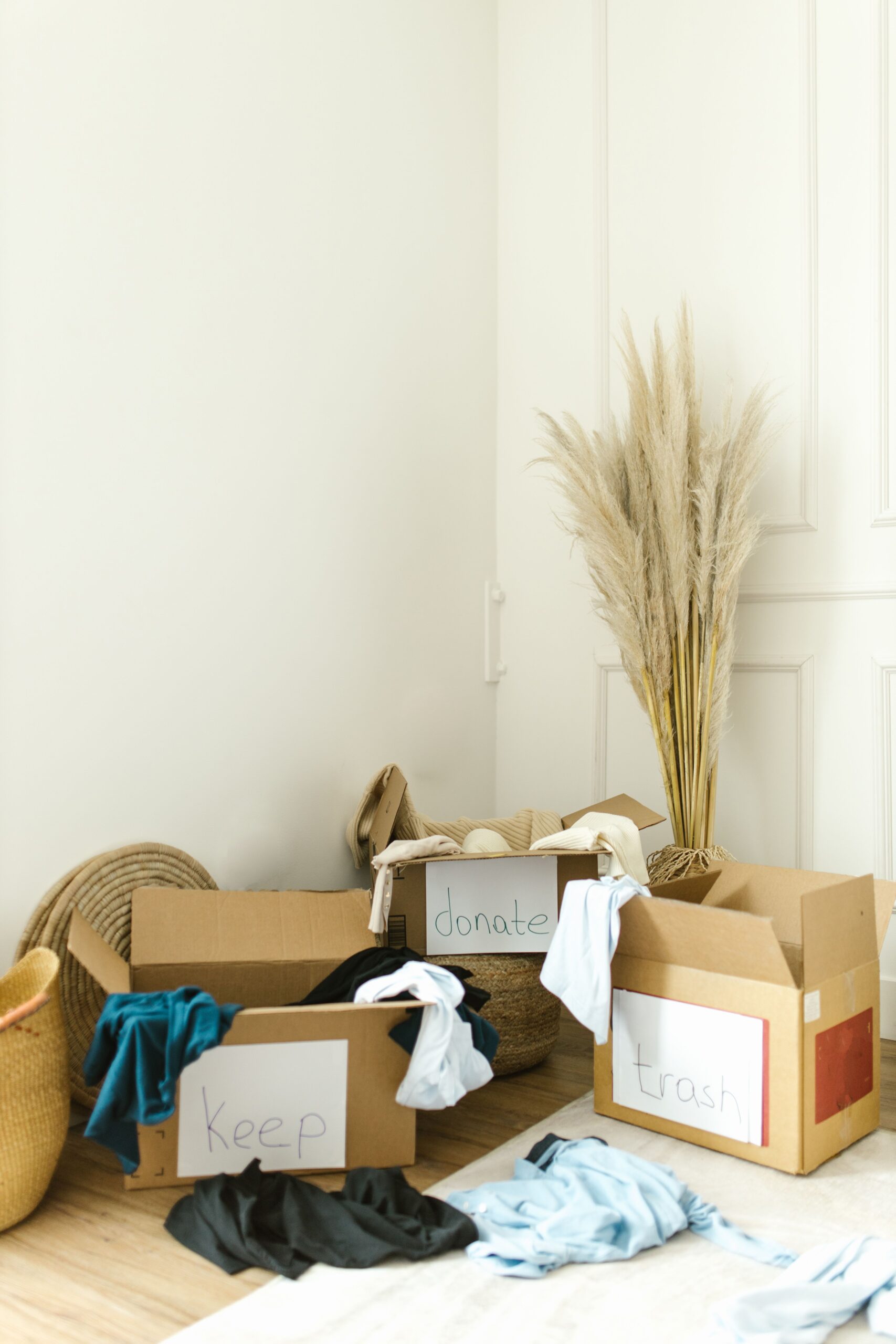
As you move through each zone, use three labeled boxes: keep, donate, toss. The rule is that nothing goes back into a drawer until the whole category is sorted. Clean, gently used items — extra bowls, unopened toys, outgrown coats — are welcome at most local shelters and rescues; call ahead to confirm what they accept. Donating gear you no longer need is one of the easiest ways to declutter pet stuff while helping animals still waiting for homes. Once you know what’s staying, storage becomes obvious, and our small-apartment pet storage solutions show how to fit it all without renovating.
Store what stays so clutter doesn’t creep back
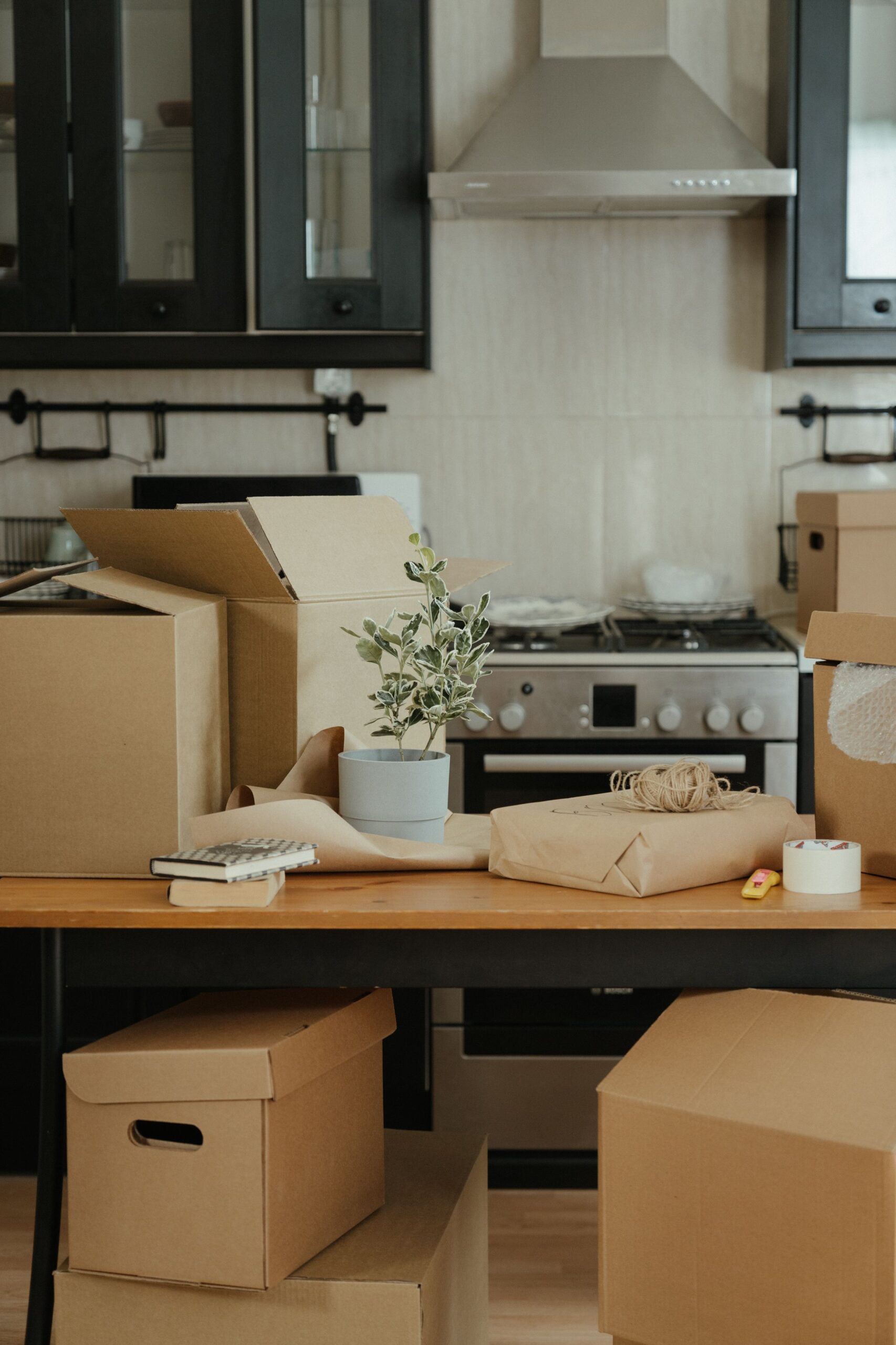
Decluttering only sticks if everything left has a home. Group items by how often you use them: daily gear (current leash, food scoop, favorite toy) at arm’s reach, and occasional items (grooming kit, travel carrier) higher up or further back. A single lidded bin per pet, plus a shallow drawer organizer for small items, is usually enough for one animal in a small apartment. Label the bins so other people in your home put things back in the right place instead of starting a new pile.
Vertical space is your friend in a small home. A single over-the-door organizer can hold grooming tools, spare bags, and a backup leash without taking up any floor at all. If you keep food in the kitchen, a stackable airtight container tucked into a lower cabinet keeps kibble fresh and pests out while staying invisible. The goal is that every item you kept is both reachable and out of sight — that combination is what stops a tidy shelf from sliding back into chaos.
Build a five-minute weekly reset habit
The reason clutter returns is that people declutter pet stuff once and treat it as a one-time event. Instead, spend five minutes each week doing a quick reset: toss dead toys, wipe the food bin, and return stray items to their homes. Multi-pet households benefit even more from a routine — if you live with more than one animal, the coordination tips in our guide to living with two cats in a small apartment apply directly to keeping shared gear under control. A little maintenance beats another full weekend of sorting.
The bottom line on decluttering pet gear
You do not need a bigger apartment to live comfortably with a pet — you need less unused stuff. Work one zone at a time, be honest about what your pet actually uses, donate the good extras, and set up a five-minute weekly habit so the clutter never rebuilds. Do that, and you will reclaim real space, cut spending on duplicates, and give your pet a cleaner, calmer home to share with you.

Fernanda Amaral writes about making small homes work for pets and their humans — apartment-friendly setups, budget care and organization that actually fits. She shares practical tips tested in real small spaces.