
For the first year in my apartment, all of my dog’s gear lived in a single reusable grocery bag shoved into the hall closet. Every walk started with me digging past winter coats to find the leash, and the flea meds went missing so often I bought duplicates twice. When I finally pulled everything out one Sunday, I could not believe how much stuff one 30-pound dog had accumulated.
That afternoon I turned a cramped, chaotic closet into a genuinely useful pet station, and I have never looked back. If you are trying to organize pet supplies in a tight space with only a small closet to work with, this guide walks through the exact system that finally made mine work, no renovation and no fancy budget required.
Start by pulling everything out
You cannot organize what you cannot see. Empty the closet completely and lay every pet item on the floor, then sort into keep, toss, and donate piles. Most of us are hoarding expired meds, broken toys, and gear our pet outgrew, and clearing that out instantly buys back space.
Group what remains by how you actually use it: daily items like the leash and food scoop, weekly items like grooming tools, and occasional items like travel gear. This grouping is the backbone of any good system to organize pet supplies, because it tells you what needs to be within reach and what can go up high.
Be honest during the toss step, because sentimentality is the enemy of a small closet. That chew toy your dog ignored, the collar from three sizes ago, the half-empty bag of a food they refused: none of it earns its space. A useful rule is that if you have not touched something in six months and it is not seasonal or emergency gear, it goes. You will be amazed how much room a single honest purge frees up.
Use the whole vertical space
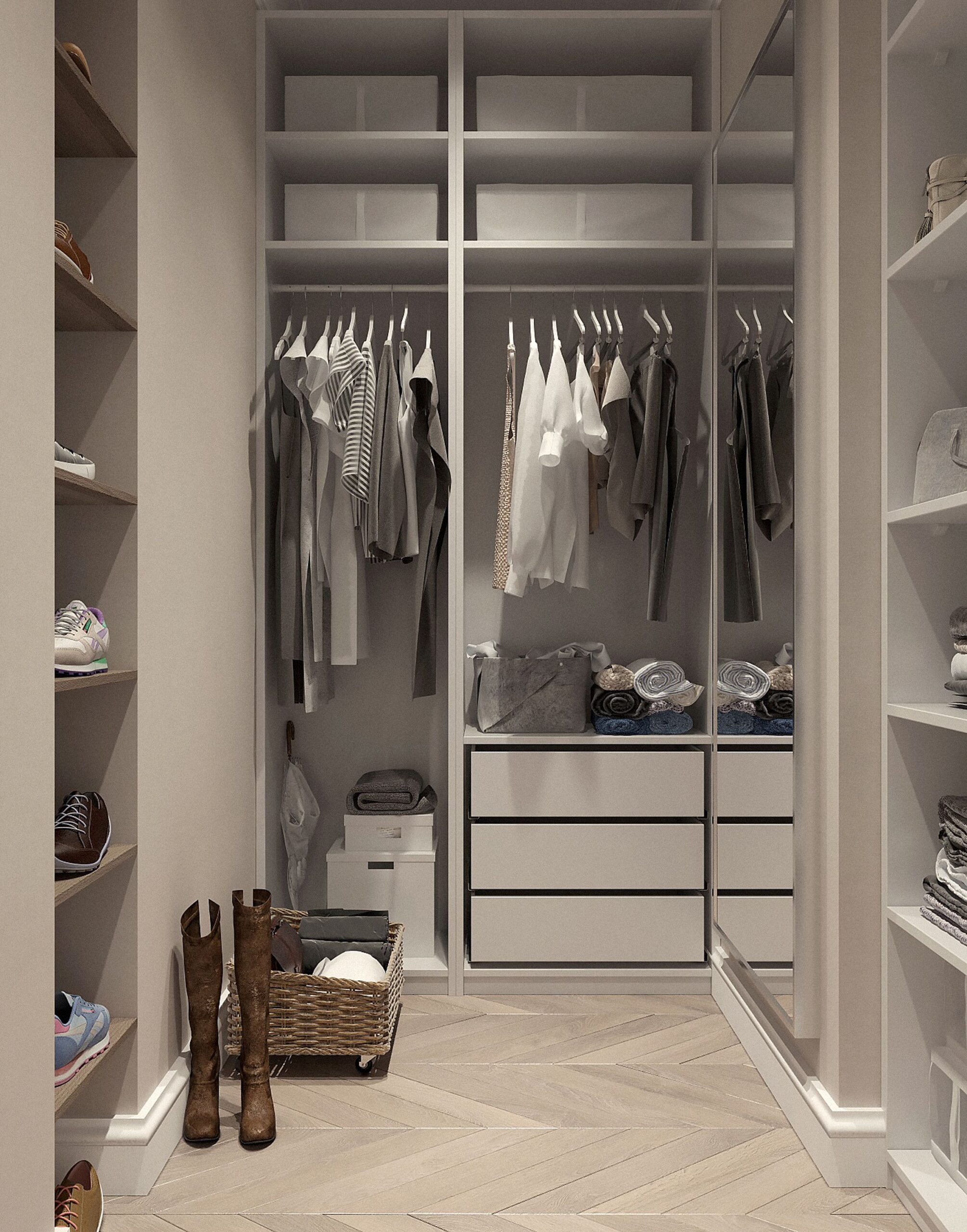
A tiny closet is small on the floor but tall on the walls, and that height is where the magic happens. Add a couple of extra shelves, use stackable bins, and hang an over-the-door organizer to triple your usable storage without touching the floor plan.
Put daily-use items at eye level, heavy items like food bins on the floor, and rarely used gear up top. If you want more ideas for reclaiming vertical room, my post on small apartment pet storage solutions goes deep on no-renovation tricks.
Contain everything in labeled bins
Bins are the single best investment for a small closet. They stop loose items from becoming an avalanche and let you pull one container instead of rummaging. Here’s how I divide mine:
- Food and treats — one airtight bin, sealed against pests and moisture.
- Health and grooming — meds, brushes, nail clippers, and wipes together.
- Walk gear — spare leashes, harnesses, and waste bags by the door.
- Toys — a single open basket you can tidy into in seconds.
- Travel and seasonal — carrier, cold-weather coat, stored up high.
Label every bin, even if it seems obvious. Labels are what keep the system alive months later when you are tired and tempted to just shove things anywhere.
Right-size your bins before you buy
The most common mistake I see is buying bins first and sorting second, which leaves you with containers that are too big, too small, or the wrong shape for the closet. Measure the interior width, depth, and shelf height before you spend a cent, then choose bins that fill the space efficiently rather than leaving awkward gaps. Clear bins let you see contents at a glance, while opaque ones hide clutter for a cleaner look, so pick based on what calms your brain.
Stackable and uniform sizes are worth the small premium because they lock together and use vertical space without toppling. If money is tight, sturdy cardboard boxes wrapped in leftover paper or shoeboxes work perfectly well as a starter set. The goal is simply to organize pet supplies into contained groups, not to spend a fortune on matching containers.
Keep meds and documents safe
Pet medications and paperwork deserve their own dedicated, clearly labeled spot. Keep meds in a cool, dry container out of your pet’s reach, and store vaccination records, adoption papers, and vet info in a single labeled folder so you can grab it fast in an emergency.
The ASPCA’s general pet care resources are a good reminder of which essentials to always have on hand. Checking expiration dates when you reorganize means you replace things before you actually need them, not during a crisis.
Make the daily stuff grab-and-go
The whole point is to make your routine faster, so the items you touch every day should require zero digging. A hook for the leash, a small caddy for poop bags and the scoop, and a treat jar at eye level turn the morning scramble into a two-second grab.
Position these near the closet door or even just outside it. When you organize pet supplies around your actual habits rather than around what looks neat, the system sticks because it genuinely makes life easier.
Do a quick reset every couple of weeks so the system does not slowly drift back into chaos. Put strays back in their bins, restock the poop bags and treats, and toss anything broken. Five minutes of upkeep protects the hour you spent setting it all up, and it keeps the closet working for you instead of against you.
Keep it renter-friendly
Everything here works without a single drill hole. Tension rods, adhesive hooks, free-standing shelf risers, and stackable bins all come with you when you move and leave the closet exactly as you found it. That matters when your security deposit is on the line.
For more damage-free ideas that protect your walls and your deposit, my guide to DIY cat shelves that won’t damage your rental walls uses the same renter-safe philosophy.
Share the closet without losing the system
In a small apartment, the pet closet often doubles as the coat closet, the cleaning-supply closet, or the catch-all by the door. That is fine, as long as you give the pet gear a clearly defined zone within it rather than letting it bleed into everything else. Dedicate one shelf or one column of bins to the animals and treat that boundary as non-negotiable.
If you live with roommates or a partner, a labeled system pays off double, because everyone knows where things go and where to find them. No more someone burying the flea meds behind the vacuum. A shared household is exactly where a clear plan to organize pet supplies earns its keep, since it removes the guesswork for everyone who walks through the door.
Your next step
Block out one hour this weekend, pull everything out of that overstuffed closet, and start with the sort-and-toss step. Learning to organize pet supplies in my tiny closet took a single afternoon and saved me time and money every day since. Add bins and labels as your budget allows, and enjoy never losing the leash again. The best part is that the payoff compounds: every calm, quick morning reminds you it was worth the effort, and the closet stays functional for as long as you keep the simple habits going. Your future self, halfway out the door on a rushed Monday, will be grateful you did this.
Related reading

Fernanda Amaral writes about making small homes work for pets and their humans — apartment-friendly setups, budget care and organization that actually fits. She shares practical tips tested in real small spaces.