
My kitchen is so small that if I open the oven and the fridge at the same time, I’m trapped. So when I adopted a second cat last spring, the question of where two sets of food and water bowls would go felt almost comical. They lived in a chaotic pile by the trash can for weeks, getting kicked, spilled, and stepped in, until I finally sat down and designed a proper spot.
A dedicated pet feeding station changed the whole feel of the room. No more skidding on spilled water, no more bowls underfoot, no more scrambling to find the kibble at 6 a.m. If your kitchen is tight, this guide shows how to carve out a clean, functional feeding zone in even the smallest galley layout.
Why a dedicated feeding zone is worth it
Loose bowls scattered on the floor are a recipe for mess and stress. Water gets tracked across the room, food scatters, and in a small kitchen you are constantly maneuvering around them. A defined pet feeding station keeps everything contained, hygienic, and out of your walking path.
There’s a health angle too. Keeping food and water in a consistent, clean spot encourages steady eating and drinking, and the AVMA’s pet care resources note that reliable access to fresh water matters for everything from kidney health to digestion. A tidy station makes the daily wash-and-refill routine something you actually keep up with.
Find the right spot in a tiny kitchen
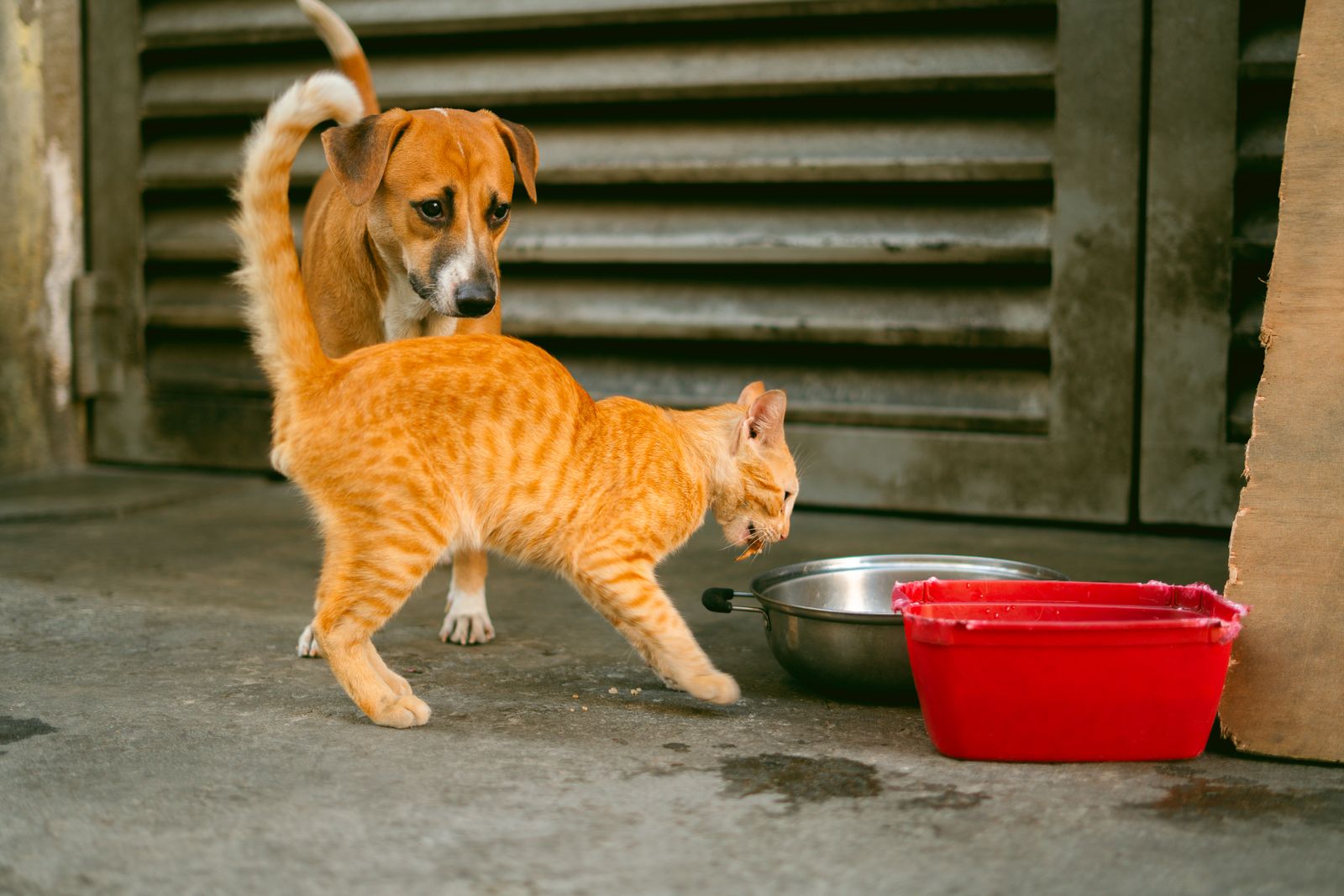
The best location is out of the main traffic flow but still easy for you to reach for refills. A corner, the gap beside the fridge, or the toe-kick area under a cabinet all work well. Avoid placing bowls right next to the trash or the litter box, since pets dislike eating near strong smells.
Think vertically and think about dead space. That awkward nook where nothing fits is often the perfect home for a compact pet feeding station. Measure before you commit so you know your bowls, mat, and food bin will actually fit without blocking a drawer.
Lighting and reach matter more than people expect. Pick a spot you can see clearly so you notice when bowls need refilling or a wash, and make sure you can crouch or bend there comfortably during your morning routine. If a location forces you to move a chair or open a cabinet every single meal, you will resent it within a week and the whole system falls apart.
Build it in layers
A great feeding station is really just a few simple layers stacked thoughtfully. Here’s the formula I landed on:
- A base mat — a silicone or rubber mat ($8 to $15) catches spills and defines the zone.
- The bowls — stainless steel or ceramic, which stay cleaner than plastic.
- A raised stand — optional, but easier on older pets’ necks and joints.
- Nearby storage — an airtight bin or a drawer for food, scoop, and treats.
- A small hook or caddy — for the measuring cup so it never goes missing.
Keep each layer minimal and the whole pet feeding station stays sleek instead of cluttered. You are aiming for a spot that looks intentional, not like an afterthought crammed into a corner.
Go vertical to save floor space
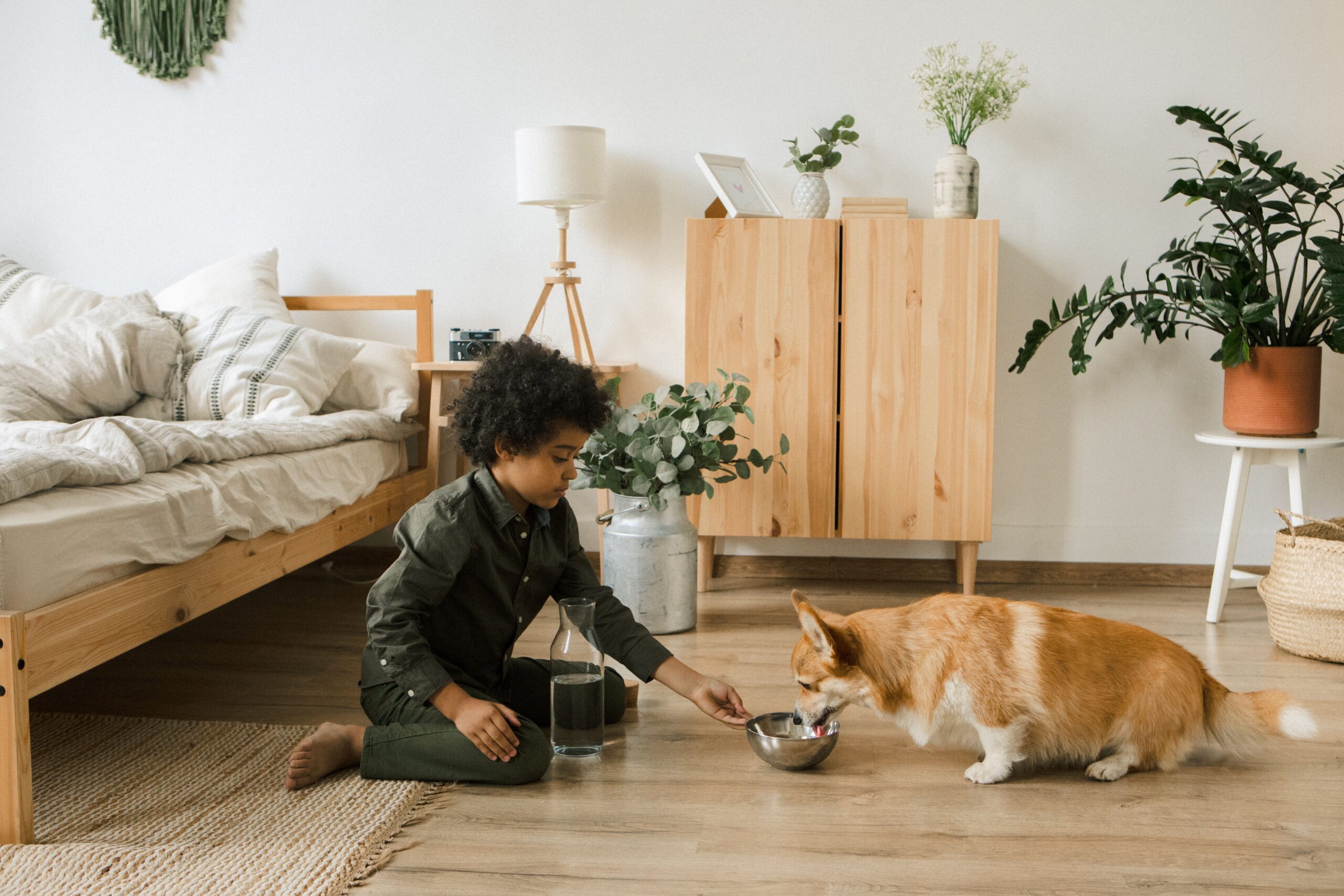
When floor space is precious, build upward. A slim rolling cart tucked beside the fridge can hold bowls on the bottom shelf and food and supplies above. Wall-mounted bowls or a fold-down shelf keep the floor completely clear between meals, which is a game-changer in a galley kitchen.
For more small-space thinking along these lines, my post on small apartment pet storage solutions covers no-renovation ways to reclaim room, and the IKEA hacks for pet owners guide has a few clever feeding-station builds worth copying.
Choosing the right bowls and materials
The bowls you pick quietly shape how well the whole setup works. Stainless steel is my top choice because it is nearly indestructible, dishwasher-safe, and does not harbor the bacteria that scratched plastic can. Ceramic is a close second and has enough weight to resist sliding around, which matters on a smooth kitchen floor. Skip cheap plastic bowls, since they scratch easily and can trigger chin acne in some cats.
Size the bowls to your pet, not to what looks cute in the store. A shallow, wide dish suits flat-faced cats and small dogs, while deeper bowls work for larger breeds and big drinkers. Match the water bowl to how much your pet actually drinks so you are not refilling it five times a day, and your pet feeding station will practically run itself.
Keep it clean and mess-free
The whole point of a station is to make cleanup fast. Wash bowls daily, wipe the mat every couple of days, and store food in a sealed container so no crumbs invite pests. A raised edge or a splash guard behind the water bowl saves your baseboards from constant drips.
If your pet is an enthusiastic, messy drinker, a larger mat that extends well past the bowls catches the splashes. These small touches are what separate a station you love from one that quietly becomes another cleaning chore.
Set a simple weekly reset for the whole zone: pull everything off the mat, wash the mat in hot soapy water, wipe down the stand or cart, and check the food bin for any stale bits at the bottom. It takes five minutes and keeps the corner from developing that lingering pet-food smell that small kitchens trap so easily.
Multi-pet homes in small kitchens
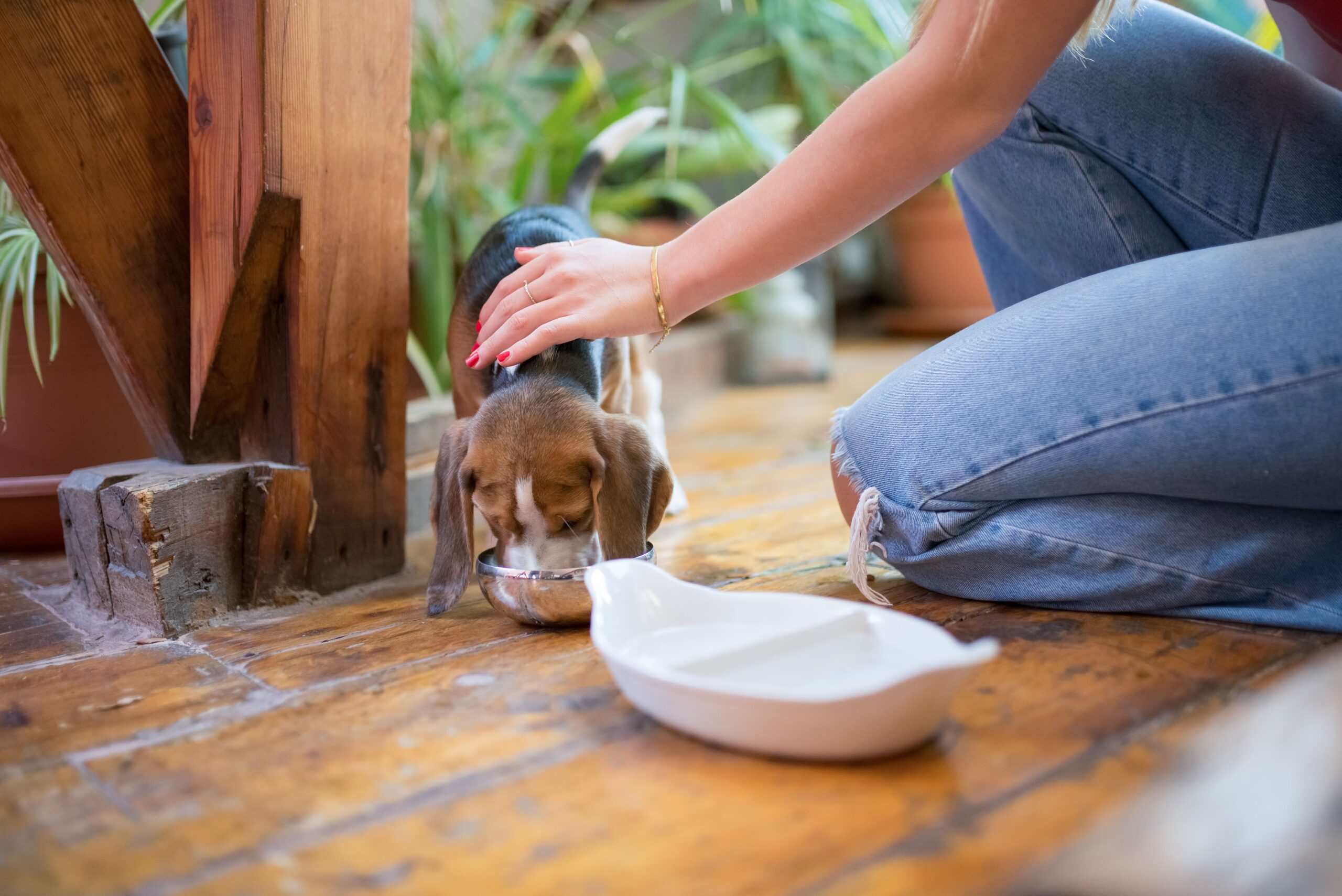
With more than one pet, spacing matters. Cats in particular prefer their own bowls with a little distance between them, so they don’t feel crowded while eating. In a tight kitchen you can stagger bowls along one wall or set one station low and another slightly raised to give each animal a clear spot.
Feed separate bowls even if your pets get along, since it lets you monitor who is eating how much. A calm, well-organized pet feeding station reduces mealtime squabbles and makes the whole routine smoother for everyone.
Budget-friendly and renter-safe ideas
You do not need to buy a fancy furniture-style station to get all the benefits. A cutting board or a serving tray becomes an instant defined zone, and a plastic boot tray from the dollar store works beautifully as a spill-catching base. Repurposing what you already own keeps the whole project close to free, which is the spirit of small-space pet keeping.
Renters will appreciate that a good pet feeding station requires zero drilling or permanent changes. Free-standing carts, adhesive hooks, and tray-based setups all come with you when you move and leave no marks behind. When the lease ends, you simply pack up the station and recreate it in the next kitchen, no patching or repainting required.
Your next step
Grab a tape measure tonight and find the one spot in your kitchen that’s currently wasted, then start with just a mat and the bowls. Building a proper pet feeding station took me one afternoon and made my cramped kitchen feel twice as functional. Add the storage and vertical pieces as you go, and you’ll wonder how you ever lived with bowls scattered across the floor. A small kitchen does not have to mean a chaotic one, and giving your pets a proper place to eat is one of the easiest upgrades you can make to daily life in a tight space.
Related reading
Fernanda Amaral writes about making small homes work for pets and their humans — apartment-friendly setups, budget care and organization that actually fits. She shares practical tips tested in real small spaces.