
The first night I brought a dog home to a 480-square-foot rental, I stood in the kitchen at midnight watching him circle the same three feet of floor, trying to figure out where he was supposed to sleep. There was no yard, no mudroom, no spare corner. Just me, a nervous rescue mutt, and a lease that said “no structural changes.”
If that sounds familiar, you are in exactly the right place. Keeping a dog in a small apartment is completely doable, and this beginner’s guide walks you through the parts nobody tells you about: the space math, the noise, the money, and the daily routine that keeps both of you sane.
Can you keep a dog in a small apartment at all?
Yes, and keeping a dog in a small apartment depends far less on square footage than you would think. What actually determines whether a dog thrives in a small apartment is the match between the dog’s energy and your daily routine. A calm senior greyhound is happier in 500 square feet than a young border collie is in 1,500.
Before you commit, do an honest audit of three things: how many hours the dog will be alone each day, how close your nearest walking route is, and how thin your walls are. Those three answers predict success far better than the size of your living room.
Choosing the right dog for a small space
Size is a red herring. A 70-pound greyhound sleeps 18 hours a day and needs less floor space than a 12-pound terrier who never stops. Focus on temperament and exercise needs instead of weight on paper.
Good small-apartment matches tend to share a few traits: moderate energy, low reactivity to hallway noise, and a tolerance for being alone. Breeds and mixes people consistently succeed with in apartments include greyhounds, French bulldogs, cavalier King Charles spaniels, and a huge number of small mixed-breed rescues.
- Ask the shelter or foster how the dog behaves when left alone for a few hours.
- Meet the dog twice before deciding, once in a quiet setting and once somewhere busy.
- Be honest about grooming since heavy shedders mean more cleaning in tight quarters.
Setting up your apartment before the dog arrives
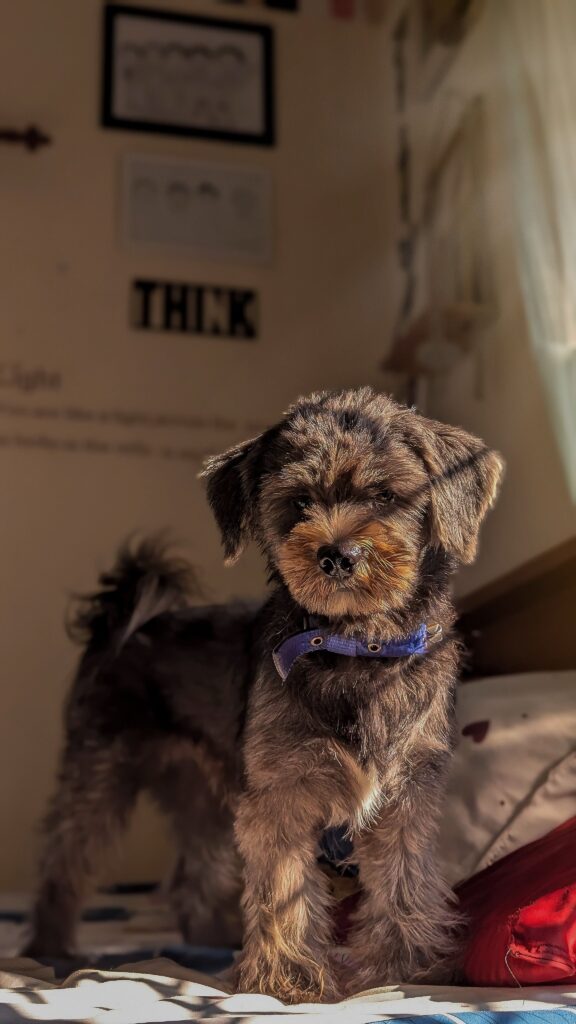
You do not need to renovate. You need to define zones. In a small apartment, giving your dog a clear “this is yours” spot reduces anxiety and keeps their gear from spreading into every room.
Create a dedicated dog corner
Pick a low-traffic corner, ideally away from the front door, and place a bed, a water bowl, and one or two toys there. A corner as small as 3 by 3 feet is enough. This becomes the dog’s home base, the place they retreat to when the apartment feels busy.
Renter-friendly gates and barriers
Pressure-mounted gates cost roughly $25 to $45 and need no drilling, so your security deposit stays intact. Use them to keep the dog out of the kitchen while you cook or to create a safe zone near the door so a bolter cannot slip out.
Exercise and potty routine without a yard
Exercising a dog in a small apartment is the part that scares new owners the most, and it is genuinely the most work. Without a yard, every bathroom break is a trip outside, which means structure is your best friend.
Most adult dogs need three to four walks a day, totaling 45 to 90 minutes depending on energy level. Puppies need to go out far more often, roughly every two hours while awake. Build a fixed schedule and stick to it, because consistency prevents accidents more than anything else.
Indoors, mental exercise stretches a small space further than physical exercise. A 10-minute training session or a food puzzle tires a dog out more than another lap of the living room. The ASPCA has solid, free guidance on dog behavior and enrichment worth bookmarking.
Managing noise so you keep your neighbors
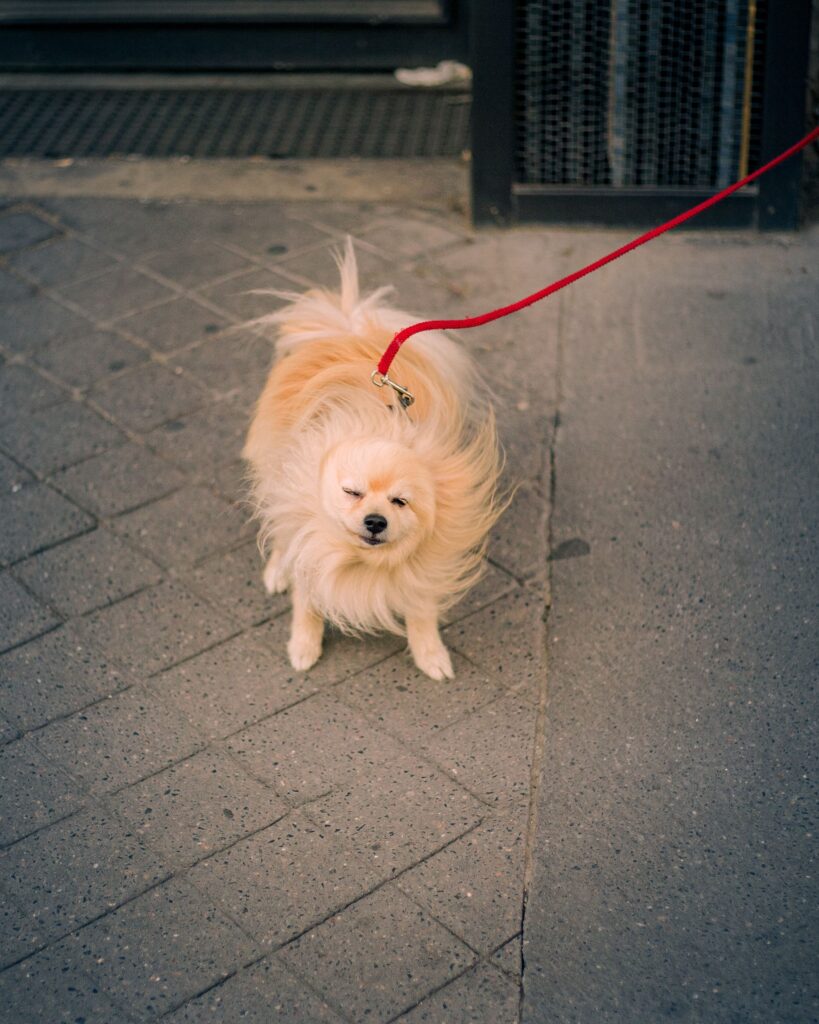
Thin walls turn a barking dog into a lease problem fast. The goal is not silence, it is preventing the long, repeated barking that gets complaints.
Most apartment barking comes from boredom, separation anxiety, or hallway triggers like the elevator ding and neighbors’ footsteps. Tackle the cause, not the symptom. A tired dog with a stuffed chew toy during your work calls barks far less than one staring at the door.
- Give your dog in a small apartment a long-lasting chew before you leave, not as you walk out the door.
- Use a white-noise machine or fan to mask hallway sounds, which costs about $20.
- Practice short departures so being alone feels normal, not alarming.
The real monthly cost of an apartment dog
Small-space living does not shrink the budget much, so plan for it. A realistic monthly range for one dog is $75 to $200, covering food, treats, poop bags, and a slice of annual vet and preventive care spread across the year.
Set aside a small emergency buffer too. Even $20 a month into a dedicated fund cushions the surprise vet visit that always seems to arrive at the worst time.
Small-space gear that actually earns its place
For a dog in a small apartment, every item competes for floor and closet space, so buy deliberately. The goal is gear that does more than one job or folds away when it is not in use.
A crate that doubles as a side table, a bed that fits under a console, and a leash hook by the door keep the apartment from feeling like a pet store. Collapsible bowls and a wall-mounted leash rack are small purchases, usually $10 to $20 each, that reclaim a surprising amount of room.
Skip the oversized dog beds and bulky toy bins that catalogs love. A single medium bed and a shallow basket of rotated toys are plenty, and they leave you walking space you will appreciate every single day.
Handling time alone in a small apartment
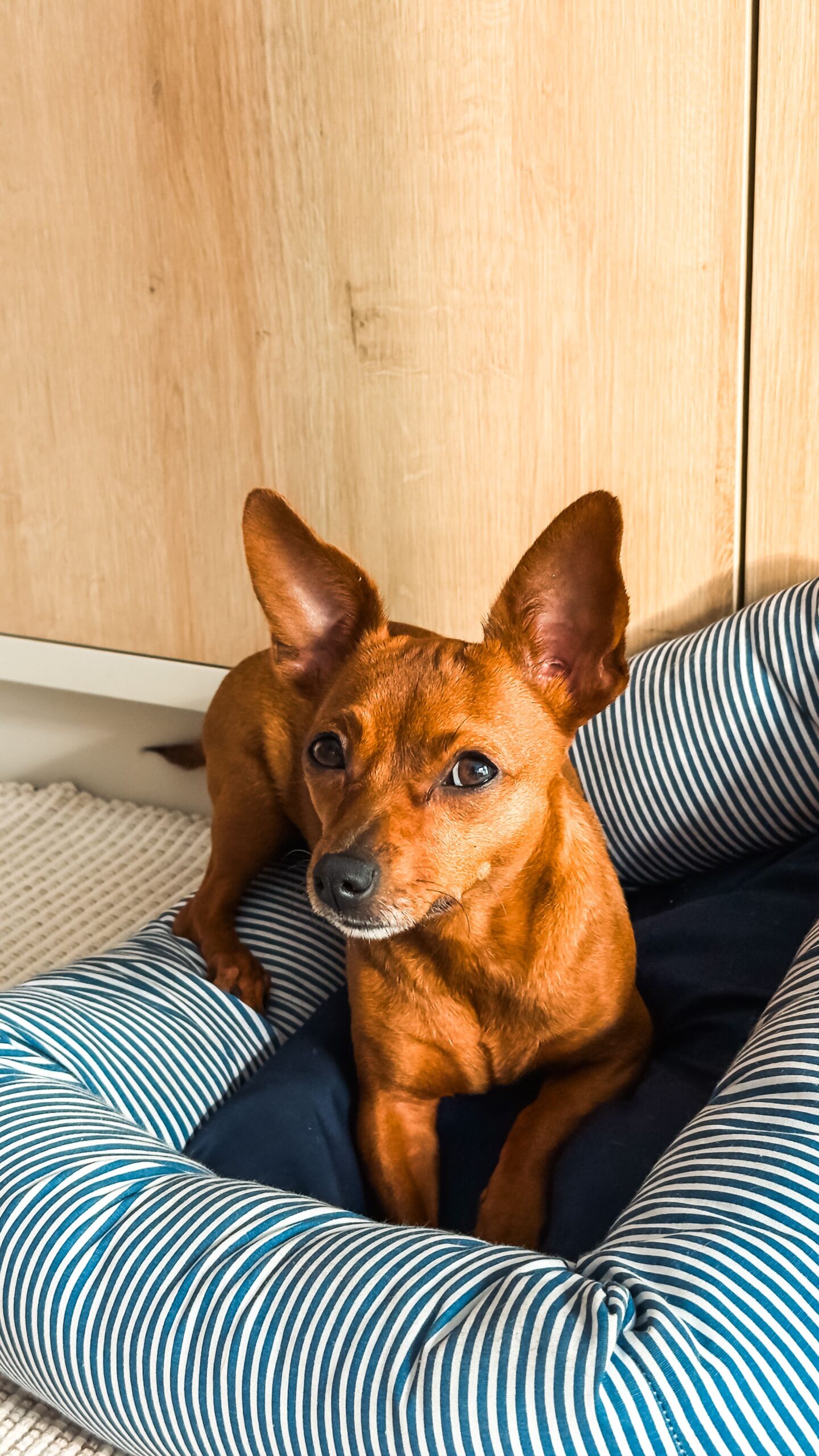
A dog in a small apartment often spends a chunk of the day alone, and a small space can feel either cozy or confining depending on how you set it up. The difference is enrichment and a predictable rhythm around your comings and goings.
Leave a frozen stuffed toy, draw the curtains if street traffic is a trigger, and keep departures low-key. If your dog struggles with genuine separation anxiety rather than boredom, loop in your vet early, since it is far easier to address before it becomes a daily fixture.
A midday walker or a trusted neighbor can bridge a long workday, and many apartment owners split the cost with someone in the building. Even one break in the middle of the day changes how settled a dog feels by evening.
Common beginner mistakes to avoid
A few missteps show up again and again with first-time apartment dog owners, and all of them are easy to sidestep once you know to watch for them.
The biggest is under-exercising and then blaming the apartment for a dog’s restlessness, when the real fix is a longer morning walk. Close behind is free-feeding, which makes potty timing unpredictable in a home where every bathroom break means a trip down the stairs. Scheduled meals give you scheduled walks.
Finally, do not skip early training because the space is small. Basic cues like settle, place, and quiet are worth more in an apartment than in a house, precisely because you are living on top of each other and your neighbors.
Your first two weeks: a simple plan
The first two weeks set the tone. Keep the world small at first: same walking route, same feeding times, same quiet corner. Predictability helps a nervous dog settle into a new, compact home.
Gradually add new experiences once the basics feel solid, like a busier park or a longer time alone. Rushing this stage is the most common beginner mistake, and slowing down almost always fixes it.
Conclusion: start small, stay consistent
Keeping a dog in a small apartment comes down to routine, zones, and honest energy matching, not square footage, and that is the heart of living well with a dog in a small apartment. Get those right and a tiny rental becomes a genuinely great home for a dog.
Your practical next step this week: map out a fixed walking and feeding schedule on paper and tape it to the fridge. Once that rhythm is automatic, everything else about apartment dog life gets easier.
Related reading
- Two Cats in a Small Apartment: What Actually Works
- The Apartment Pet-Proofing Checklist Every First-Time Owner Needs
- How to Create a Pet Corner in an Apartment With No Spare Room
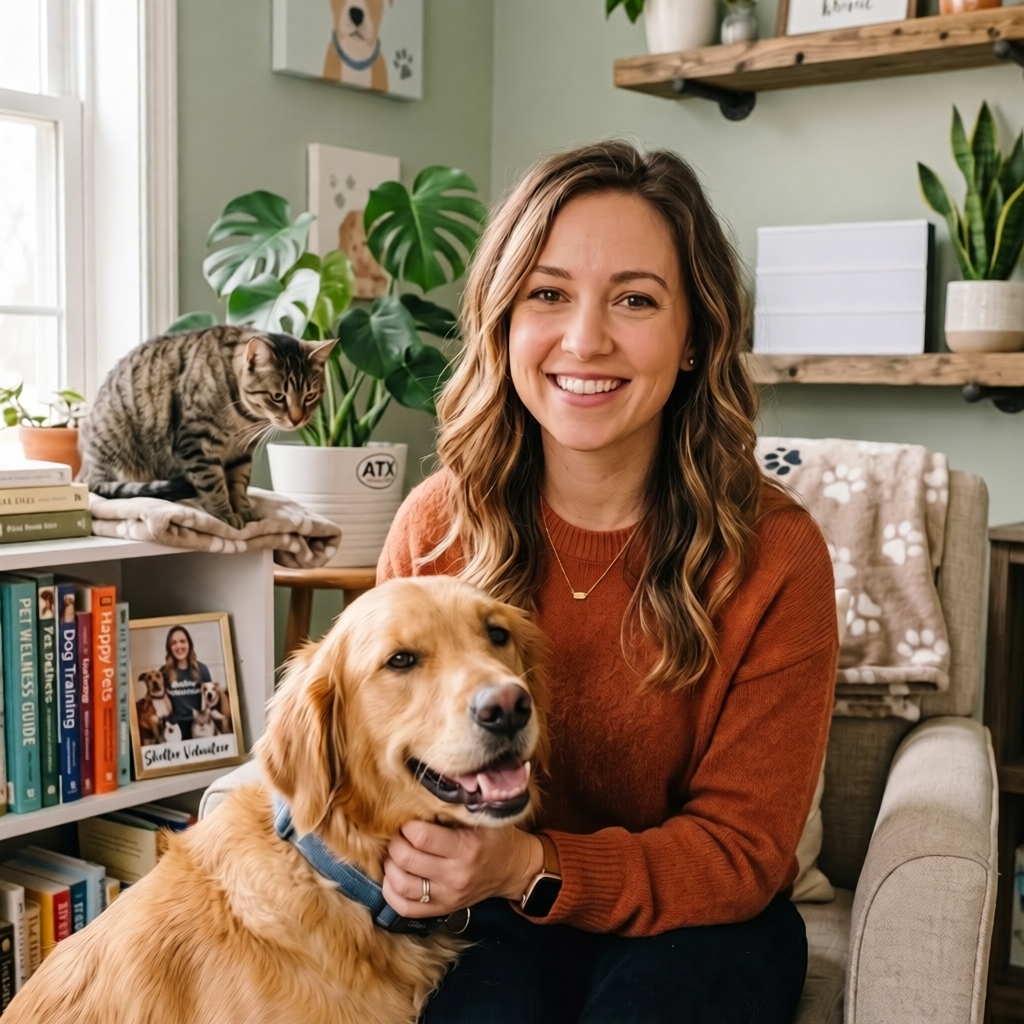
Fernanda Amaral writes about making small homes work for pets and their humans — apartment-friendly setups, budget care and organization that actually fits. She shares practical tips tested in real small spaces.