
Pet paperwork has a way of scattering. The vaccination card is in a drawer, the adoption contract is in an email somewhere, the pill bottle is on the kitchen counter, and when the vet asks for a date you’re guessing from memory. Learning to organize pet paperwork, medications, and vet records into one reliable system takes an afternoon and saves you real stress the next time there’s an emergency, a boarding stay, or a move. This guide is built for small-space owners who don’t have a home office, using a slim setup that fits a single drawer or a phone.
The goal isn’t a beautiful binder for its own sake; it’s being able to answer any question about your pet in under a minute. When you organize pet paperwork properly, you protect your pet’s health, your budget, and your sanity, all at once.
Gather Everything Into One Pile First
Before you sort, collect. Pull together every pet-related document you can find: adoption or purchase records, vaccination history, microchip registration, vet invoices, insurance policies, medication labels, and any test results. Check your email and phone photos too, since a lot of modern pet paperwork never existed on paper. Dump it all in one spot on the table. You can’t build a system around documents you forgot you had, and the gathering step almost always turns up something important that had gone missing.
Don’t sort while you gather, or you’ll lose momentum. Just find and pile. Once everything is in front of you, the size of the job usually shrinks; most pets generate less paperwork than it feels like when it’s scattered across the apartment.

Sort Into Five Simple Categories
Keep the system dead simple so you’ll actually maintain it. Five categories cover almost everything: identity (adoption papers, microchip, ID tag info), health history (vaccination records, past illnesses, test results), medications (current prescriptions, dosages, pharmacy info), money (insurance policy, major invoices, warranty on gear), and vet contacts (your clinic, the nearest emergency hospital, poison control). Label a folder or tab for each. More categories than five and you’ll spend more time filing than living, which is how systems die.
This mirrors the shallow-and-simple logic that works for physical storage too; the same principle behind how you organize pet supplies in a tiny closet applies to paperwork: fewer, clearer homes beat many precise ones.
Build a Slim Physical File
For paper you must keep, a single accordion file or a thin three-ring binder ($8 to $15) holds everything one pet generates in years. Use one tab per category from above. Slip the vaccination card and microchip number into a clear sleeve at the front, since those are the two things you’ll reach for most. Store the whole thing somewhere you’ll remember in an emergency, ideally near your pet’s grab-and-go supplies rather than buried in a filing cabinet. A pet first-aid kit and the records folder belong side by side; our guide to building a pet first-aid kit pairs naturally with this.
In a small apartment, one shallow drawer is plenty. The key is that the folder lives in a fixed home and always goes back there, so it never becomes another scattered pile.

Create a Digital Backup
Paper burns, floods, and gets left behind in a move. Photograph or scan every document and save it to a single cloud folder labeled with your pet’s name. On your phone, this takes ten minutes with the built-in scanner in most notes apps. A digital copy means you can email records to a boarding facility, a new vet, or a pet sitter in seconds, and you always have your pet’s history in your pocket during an emergency. Name files clearly by date and type so you can find them fast.
Register your pet’s microchip online and confirm the contact details are current while you’re at it, since an out-of-date chip is the single most common reason lost pets aren’t reunited. The AVMA’s microchipping FAQ explains how to keep registration current, and the ASPCA’s pet care essentials outline what health records to keep.
Manage Medications Safely
Medications need their own small routine. Keep current prescriptions in one labeled box or pouch, and write the drug name, dose, frequency, and prescribing vet on a single index card taped inside the lid. This one card answers the question every emergency vet asks. Note refill dates in your phone calendar so you never run out over a weekend. Store meds out of reach of pets and children, and check expiration dates when you do your monthly reset.
If your pet takes multiple medications, a cheap weekly pill organizer ($5) prevents double-dosing and missed doses. Photograph the label of anything you throw away, because you’ll often need the exact product name later even after the bottle is gone.

What to Keep and What to Toss
One reason pet files balloon is that people keep everything forever. You don’t need every routine invoice from five years ago. Keep permanent records indefinitely: adoption or purchase papers, the complete vaccination history, microchip registration, and any documentation of chronic conditions or surgeries. Keep recent items for a rolling window: the last year or two of invoices, current insurance policy, and active prescriptions. Toss expired coupons, duplicate printouts, and marketing mail that sneaks into the pile. When in doubt about a medical record, scan it and shred the paper, so you free the drawer without losing the information.
For anything involving your pet’s insurance or a warranty on expensive gear, keep the paperwork until the coverage period ends. A quick note on each folder tab listing what belongs there, and how long, makes the yearly purge a five-minute decision instead of an agonizing one.
Systems for Multi-Pet Households
If you have more than one pet, the fastest way to create chaos is to mix their records. Give each animal its own color: a green folder and green cloud folder for the dog, a blue set for the cat. Every document, photo, and pill box gets tagged with that color, so at a glance you know whose vaccination card you’re holding. Keep one shared master sheet that lists all pets and their emergency basics, then an individual one-pager behind each pet’s colored tab.
This matters most at the vet and the boarding facility, where mixing up two pets’ medications can be dangerous. Color-coding takes seconds to set up and removes an entire category of stressful mistakes. It also makes it easy to hand a sitter exactly the right folder when only one of your pets is traveling or staying behind.
Make an Emergency One-Pager
The most useful document you’ll create is a single emergency sheet. On one page, list your pet’s name, breed, age, weight, microchip number, current medications and doses, known allergies, your vet’s number, the nearest 24-hour hospital, and a pet poison control line. Print one copy for the front of your folder and pin a photo of it in your phone’s favorites. When something goes wrong, you or a pet sitter can hand this to a vet instantly instead of scrambling for details under stress.
Give a copy to whoever cares for your pet when you travel. A sitter armed with a one-pager can handle an emergency far better than one who has to call you mid-crisis, and it turns your careful work to organize pet paperwork into something that actually protects your pet.
Keep It Current With a Quick Reset
A system only helps if it stays accurate. After every vet visit, file the new invoice and update the health tab and the one-pager while it’s fresh, which takes two minutes. Once a month, glance at medication refill dates and expiration dates. Once a year, do a full review: purge anything obsolete, confirm insurance and microchip details, and re-scan anything new to the cloud. Tying the reset to an existing habit, like paying rent or doing a seasonal clean, makes it stick.
Do this and you’ll never again dig through drawers while a vet waits on the phone. A little effort to organize pet paperwork now turns your pet’s whole history into something you can produce in under a minute, exactly when it matters most. If you’re organizing walking gear at the same time, our leash and gear organization guide uses the same keep-it-simple approach.
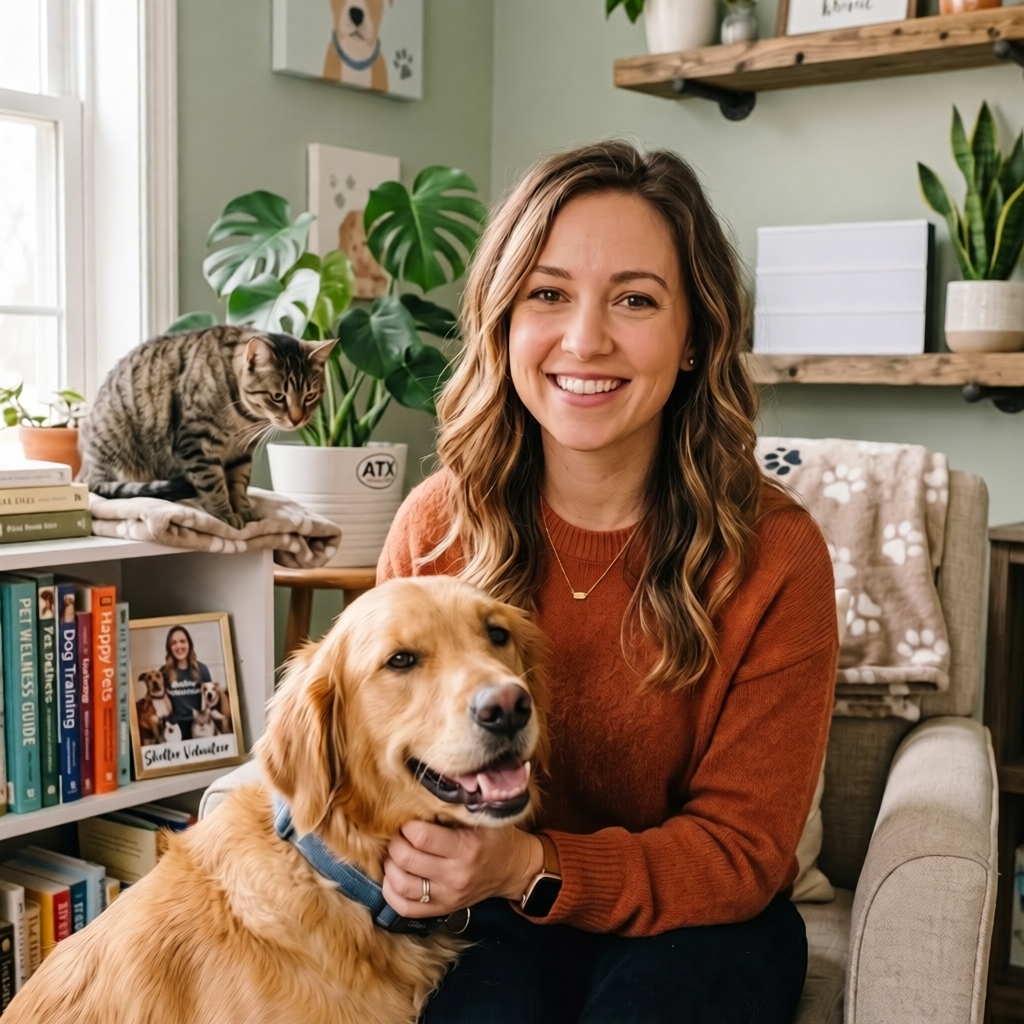
Fernanda Amaral writes about making small homes work for pets and their humans — apartment-friendly setups, budget care and organization that actually fits. She shares practical tips tested in real small spaces.