
My living room is barely four meters across, and for the first month after adopting Théo it felt like we were constantly negotiating over the same six square meters of floor. His bed crowded the couch, his toys migrated under my feet, and every time a guest came over I was apologizing for the chaos. It took some trial and error, but I eventually turned that cramped room into a space that genuinely works for both of us. A small living room with a dog doesn’t have to feel like a compromise; it just needs a smarter layout.
This guide covers how to arrange furniture, carve out a dog zone, choose surfaces that survive daily life, and keep the whole room from feeling cluttered. Everything here is written for renters and small-space dwellers who don’t want to choose between a livable room and a happy dog.
Start with a clear layout plan
Before buying anything, map how you and your dog actually move through the room. Dogs like clear sightlines to the door and to you, so avoid blocking the main pathways with furniture. In a small living room with a dog, the goal is one open “runway” from the entrance to your dog’s favorite resting spot, keeping traffic smooth for both of you.
Push larger furniture against the walls to free up the center, and leave a comfortable gap your dog can walk through without squeezing. This single change, opening up the middle of the room, makes a small space feel dramatically larger and cuts down on the underfoot collisions that come with sharing tight quarters.
Give your dog a defined zone
Dogs feel calmer when they have a spot that is clearly theirs. Even in a tiny room, a dedicated corner with a bed, a couple of toys, and maybe a blanket gives your dog somewhere to settle instead of sprawling across the whole floor. This also contains the mess, since toys and fur concentrate in one manageable area.
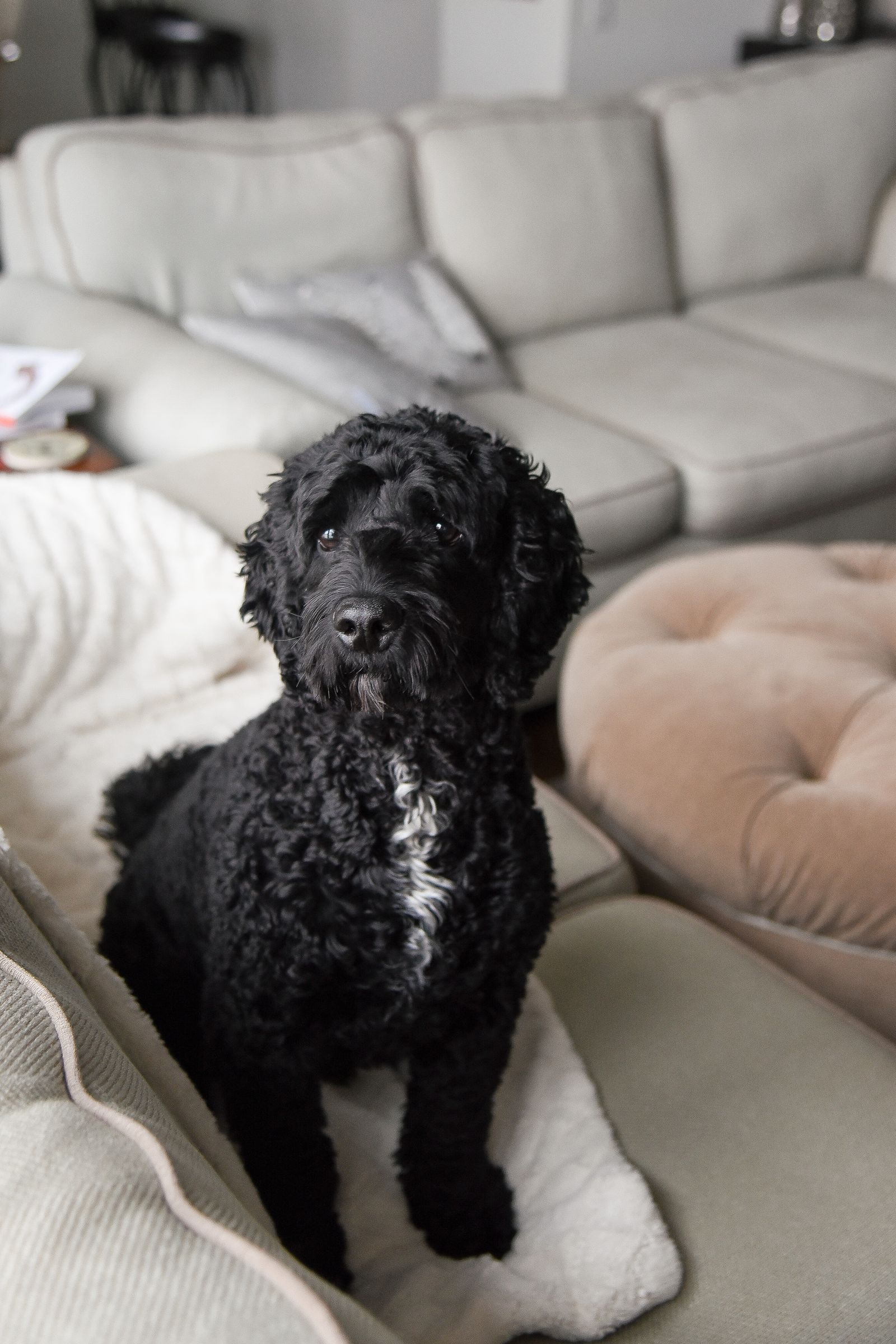
Tuck the bed beside the couch or under a console table so it uses otherwise-dead space. A corner your dog can see you from is ideal; dogs want to be near their people, and a bed in an isolated back corner often goes unused while your dog camps on the sofa instead.
Choose dog-proof furniture and fabrics
In a small living room with a dog, every surface takes more wear because everything is closer together. Choosing the right materials up front saves you money and frustration. You don’t need expensive designer pieces, just smart ones.
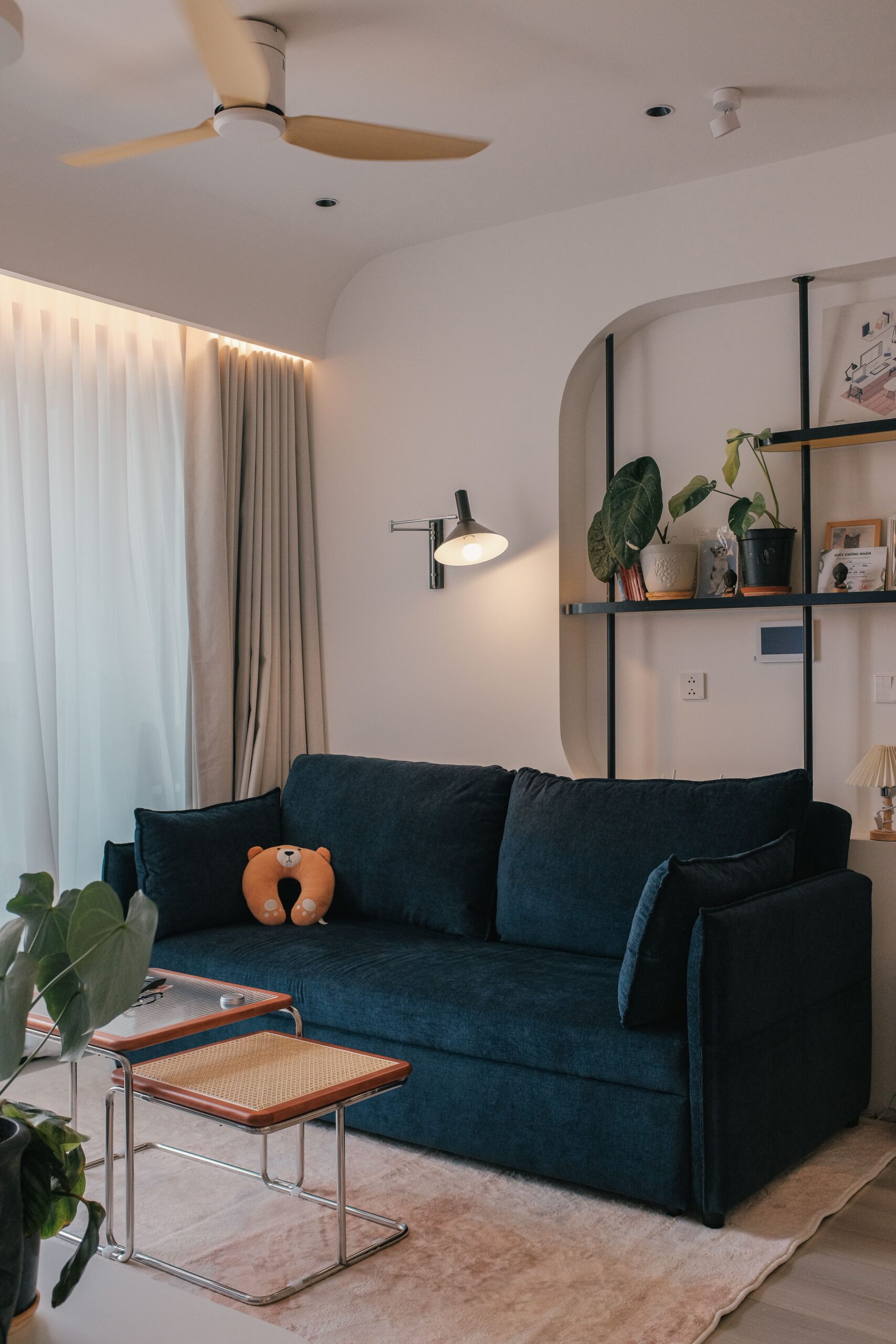
- Tightly woven or performance fabrics resist claws and wipe clean; avoid loose weaves that snag.
- Leather or faux leather shrugs off fur and cleans with a quick wipe, though it can scratch.
- Machine-washable covers on the sofa and dog bed are worth their weight in gold.
- Low-pile or washable rugs trap less hair and survive the occasional accident.
- Rounded, sturdy coffee tables avoid sharp corners at tail-wag height.
A washable throw over your favorite spot on the couch lets your dog share the seating without ruining it, and it tosses straight in the laundry when guests come over.
Control clutter with smart storage
Dog gear multiplies fast, and in a small room it’s the fastest route to visual chaos. A single attractive basket for toys, tucked beside the dog bed, keeps everything corralled and teaches your dog where their things live. Ottomans and benches with hidden storage do double duty as seating and as a home for leashes, brushes, and spare towels.
Vertical storage is your friend here: a wall hook by the door for the leash and a slim shelf for essentials keep the floor clear. The less that lives on the floor, the bigger and calmer your small living room feels for both you and your dog.
Keep the room clean without constant effort
A small living room with a dog shows dirt fast, so lean on habits that make cleaning nearly automatic. A washable mat by the entrance catches muddy paws before they hit the rug, and a quick daily pass with a handheld vacuum on the dog’s corner keeps fur from spreading everywhere.
Keep a lint roller and a spray bottle of pet-safe cleaner within arm’s reach so spot-cleaning takes seconds, not a whole afternoon. Wash the dog bed cover and throws weekly, and the room stays fresh even when your dog is shedding hard. According to the ASPCA’s general dog care guidance, a clean, consistent environment supports a dog’s overall wellbeing.
Make room for play and calm
Even a small room needs a clear patch of floor for a quick game of tug or a training session, so resist over-furnishing. A four-by-four-foot open area is enough for indoor play that burns energy on rainy days. Balance that with a quiet, cozy corner where your dog can retreat and nap undisturbed.
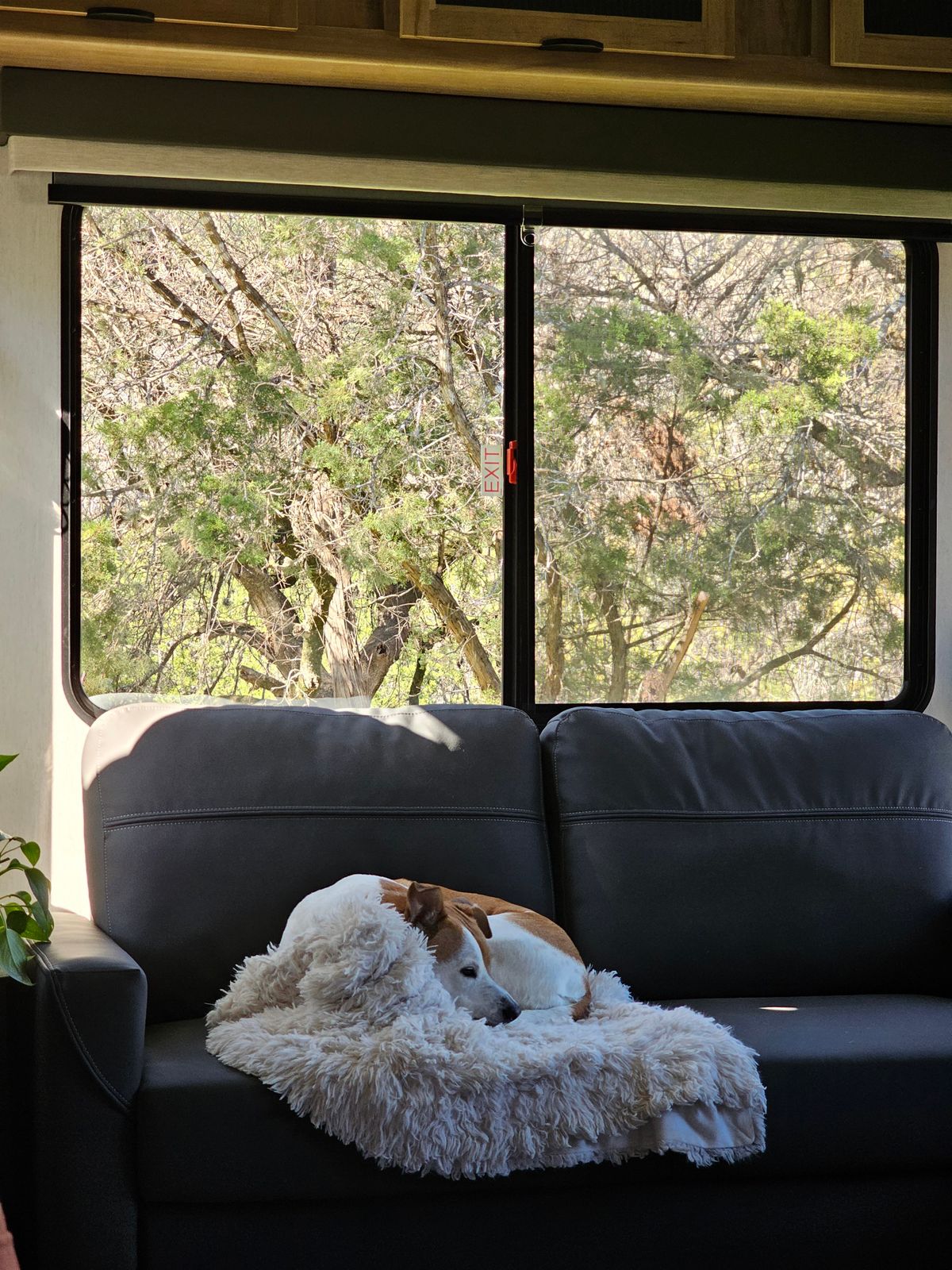
That mix of an active zone and a calm zone, even in a shared small space, keeps your dog mentally settled and stops boredom-driven behaviors like chewing the furniture. For more on canine enrichment and behavior, the ASPCA’s pet resources are a reliable free guide.
Use mirrors and light to expand the space
A small living room with a dog benefits from every visual trick that makes the room feel larger, because a bright, open-feeling space is easier to keep tidy and calmer for an anxious dog. A well-placed mirror bounces light around and doubles the sense of depth, while keeping windows unblocked lets in the natural light that both people and dogs gravitate toward.
Choose furniture with legs rather than pieces that sit flush on the floor, since the visible floor underneath tricks the eye into reading the room as bigger. As a bonus, raised furniture gives your dog cool shady spots to stretch out under and makes it far easier to sweep up the fur that would otherwise hide beneath a solid base.
Manage noise and neighbors
Living small usually means living close to neighbors, so a dog-friendly room should also be a considerate one. Soft furnishings like a rug, curtains, and a well-placed dog bed absorb sound and cut down on the barking echo that travels through thin apartment walls. A dog with a comfortable, secure corner is also simply a quieter dog.
Position your dog’s zone away from the front door if barking at hallway noise is an issue, since distance from the trigger often calms the reaction. A window with a view can be enrichment or a stress source depending on your dog, so watch how yours responds and adjust the layout accordingly.
A quick weekend reset
If your room already feels cramped, you don’t need a full redesign to fix it. Spend one weekend afternoon pulling everything out of the center, washing the dog bed and throws, and returning only the furniture and gear you actually use. Small living rooms accumulate clutter invisibly, and a periodic reset restores the open, shared feeling that makes the space work.
Finish by re-establishing your dog’s corner with fresh bedding and their favorite toys in the basket. A clean, defined dog zone at the end of the reset signals to your dog that their spot is still theirs, and the whole room feels lighter for both of you.
Small-space mistakes to avoid
A few common missteps make a small living room with a dog feel far more cramped than it needs to. Skip the oversized sofa that swallows half the floor, resist scattering multiple dog beds around the room, and don’t let toys live loose on the floor between play sessions. Each of these quietly shrinks the space you and your dog share.
The biggest mistake, though, is treating the dog’s needs and your own as competing for the room. A well-planned small living room with a dog serves both at once: your dog gets a secure corner and clear paths, and you get an open, tidy space you actually want to relax in. Design for the partnership, not the compromise.
Final thoughts
Making a small living room with a dog work is really about intention: open the center, give your dog a defined corner, pick surfaces that survive daily life, and stay ahead of clutter and fur with easy habits. Do that and the room feels bigger and calmer for everyone in it. Start this week by clearing the center of the room and setting up one dedicated dog corner, and you’ll feel the difference the very first evening.
Related reading
- The Entryway Setup Every Small-Space Dog Owner Needs
- Cat-Safe Balcony: How to Protect Your Cat Without Losing the View
- Pet-Friendly Bedroom: 6 Smart Ideas for Small Apartments
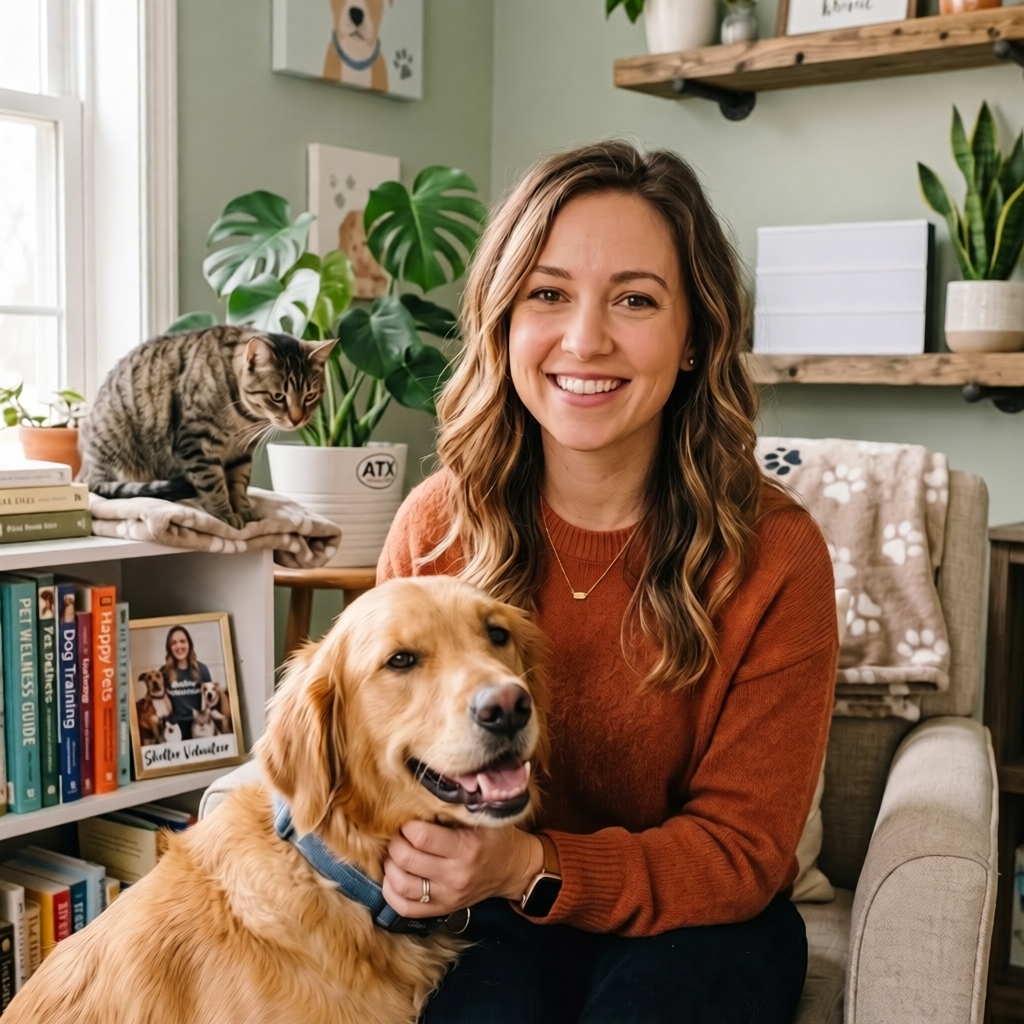
Fernanda Amaral writes about making small homes work for pets and their humans — apartment-friendly setups, budget care and organization that actually fits. She shares practical tips tested in real small spaces.