
When my second dog arrived, my entryway basically surrendered. Two leashes, a tangle of harnesses, a bag of kibble that didn’t fit anywhere, and a bin of toys had colonized every flat surface within a week. I rent, so knocking out a wall for a built-in mudroom was never an option. What actually rescued my sanity was rethinking small apartment pet storage using only things I could install, adjust, and remove without a single permanent change. This is everything that worked.
Below you’ll find renter-safe storage ideas for every category of pet gear, from food to toys to grooming supplies, none of which require drilling, renovating, or forfeiting your deposit. Most cost less than a nice dinner out.
Start by taking inventory
Before buying a single bin, pull every piece of pet gear you own into one pile. You’ll almost certainly find duplicates, broken toys, and supplies you forgot you had. Good small apartment pet storage starts with owning less, so donate or toss anything unused before you organize the rest.
Group what remains into clear categories: food and treats, walking gear, toys, grooming, and health supplies. Storing by category is what makes a small space feel organized rather than crammed, because everything has an obvious home and you stop buying things you already own.
Food storage that stays fresh and compact
A giant bag of kibble slumped in the corner is the enemy of a tidy small apartment. An airtight, stackable container keeps food fresh, keeps pests out, and turns an awkward floppy bag into a clean rectangle you can slide into a cabinet or under a console. Look for one sized to hold exactly one bag so it doesn’t waste space.
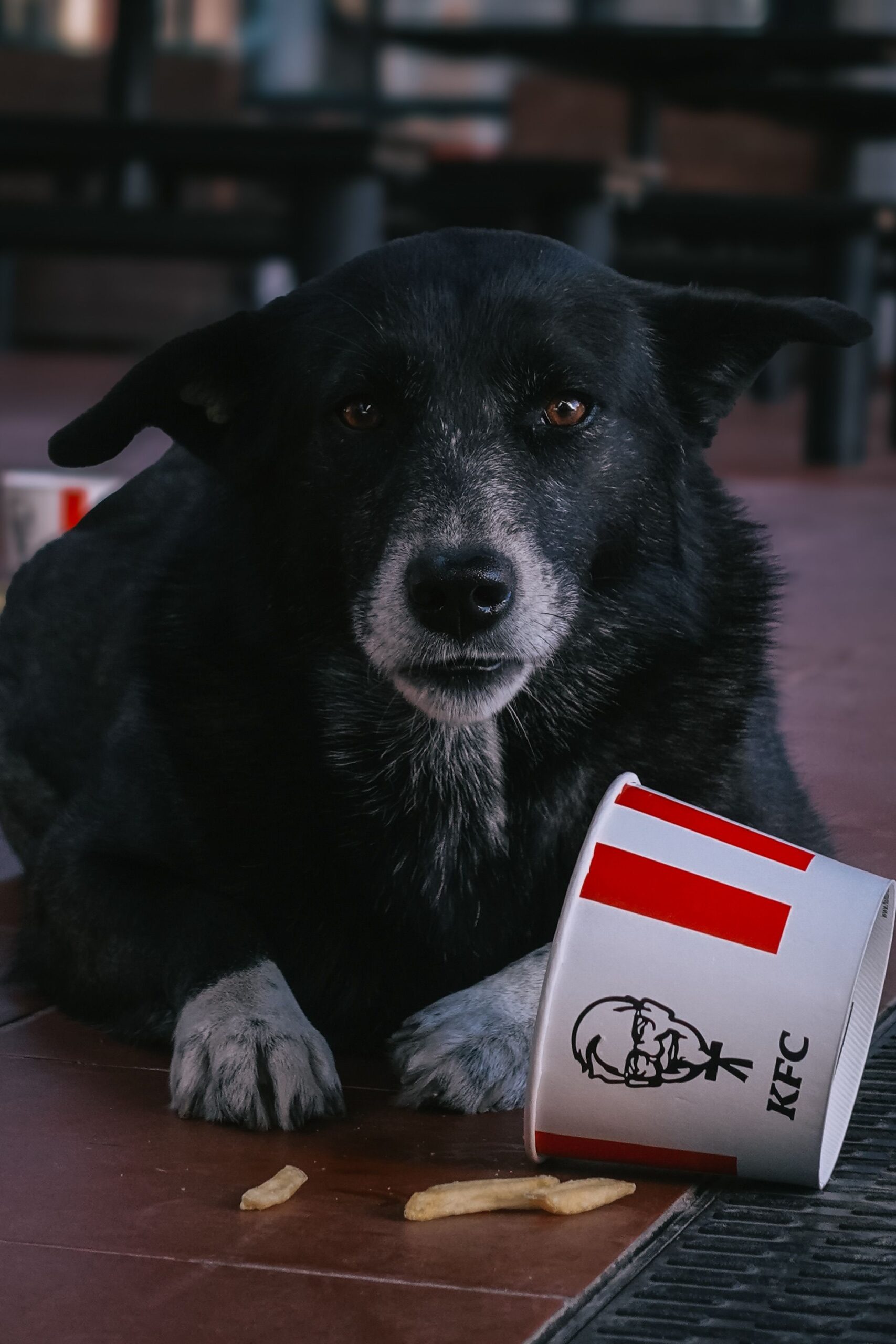
Store treats in smaller labeled jars on a shelf, and keep a scoop inside the main bin so feeding is a one-step task. If cabinet space is tight, a rolling container that tucks under the bed or a side table keeps food out of sight entirely.
Entryway and walking gear
The entryway is where pet clutter is most visible, so it’s worth solving first. Adhesive-backed hooks or an over-the-door rack, both completely renter-safe, give leashes and harnesses a vertical home the moment you walk in. This one change clears the most-seen surface in your home in about ten minutes.
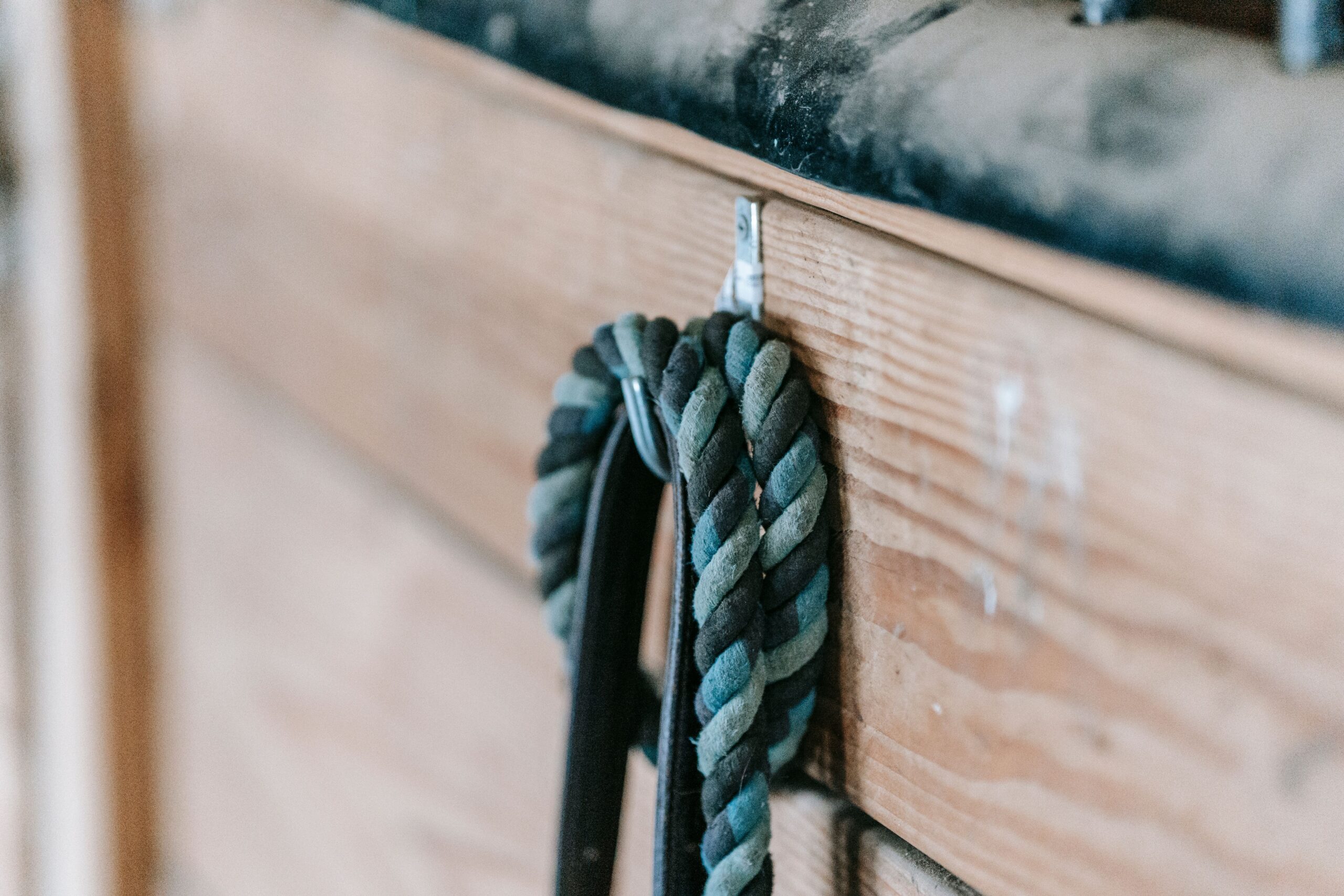
- Adhesive hooks for leashes and harnesses, no drilling needed.
- An over-the-door organizer with pockets for poop bags, treats, and a spare towel.
- A slim basket by the door for booties, coats, or a travel water bowl.
- A washable mat underneath to catch dirt from paws and gear.
Keeping walking gear together and by the door also makes leaving the house faster, which means more walks and a happier dog.
Toy storage that kids and pets can manage
Toys are the fastest-multiplying pet item, so give them a single contained home. One attractive basket in your pet’s corner keeps toys off the floor and doubles as decor. A big part of good small apartment pet storage is simply having one obvious drop spot so tidying up is a five-second task at the end of the day.
Rotate toys through the basket rather than displaying them all at once; hiding half of them keeps your pet interested and keeps the visible clutter low. Store the off-rotation toys in a lidded bin on a closet shelf.
Grooming and health supplies
Brushes, nail clippers, shampoo, medications, and paperwork all deserve one dedicated, closed container so they don’t scatter across the bathroom. A small caddy or a labeled shoebox-sized bin on a shelf keeps grooming tools together and portable, so you can carry the whole kit to wherever you groom.
Keep medications and vet records in a separate clearly labeled folder or pouch, ideally somewhere you’ll grab quickly in an emergency. The ASPCA’s general pet care resources are a helpful reference for what health supplies are worth keeping on hand.
Use vertical and hidden space
In a small apartment, the walls and the space under furniture are your best untapped storage. Tension-mounted shelves, over-the-door racks, and under-bed rolling bins add capacity without a single hole. A storage ottoman hides toys or a spare bag of food while giving you a seat, and the top of a wardrobe holds bins of off-season pet gear.
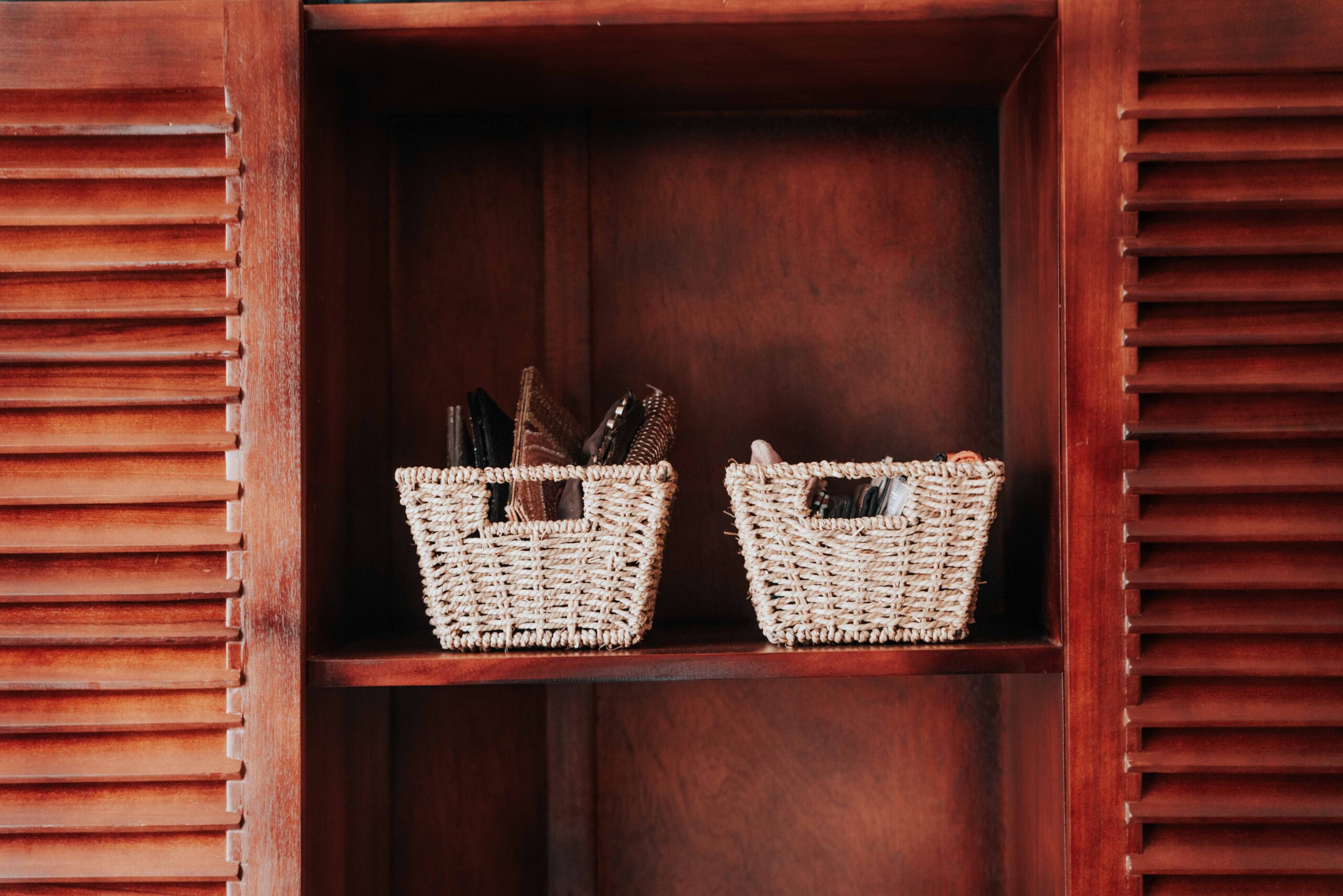
The principle is simple: get pet gear off the floor and out of sight, and the whole apartment instantly feels larger and calmer. For more organizing and pet-care basics, the ASPCA’s resource library is a solid free starting point.
Label everything (your future self will thank you)
Labels are the cheap secret that makes small apartment pet storage actually stick. When every bin, jar, and pouch is clearly marked, everyone in the household returns items to the right place, and the system doesn’t quietly collapse after a week. A simple label maker or even masking tape and a marker does the job for a couple of dollars.
Label the front of food containers with the brand and the best-by date, mark grooming and health bins by contents, and tag the hook or basket each item belongs to. In a shared apartment this ends the endless where-does-this-go conversations, and it makes restocking obvious at a glance.
Multi-pet households and shared spaces
More pets mean more gear, so multi-pet homes need small apartment pet storage that scales without taking over. Give each pet a color-coded bin or basket for their own toys, bowls, and supplies, which prevents mix-ups and keeps feeding routines clean. Stacking identical containers vertically keeps two pets’ worth of gear in one pet’s worth of floor space.
Shared human-and-pet spaces work best when pet storage blends in, so choose bins and baskets that match your existing decor rather than obvious plastic tubs. When the storage looks intentional, a small apartment reads as tidy and designed rather than overrun by pet stuff.
Maintain the system in five minutes a week
Any storage setup drifts back toward chaos without a little upkeep, but it doesn’t take much. A weekly five-minute reset, returning stray toys to the basket, refilling the treat jar, and wiping down the food container, keeps everything working with almost no effort. Tie it to an existing habit, like right after your Sunday grocery run, so it actually happens.
Every month or two, do a quick edit: toss destroyed toys, donate outgrown gear, and check that each category still fits its container. This light, ongoing pruning is what keeps small apartment pet storage from slowly expanding until it swallows the room again.
Budget-friendly containers that actually work
You don’t need to spend much to get organized. Some of the best small apartment pet storage comes from repurposed items you already own: a magazine file holds folded pee pads, a shoe organizer on the closet door sorts small supplies, and a drawer divider turns a junk drawer into a tidy grooming station. Thrift stores are full of attractive baskets and lidded boxes for a few dollars each.
When you do buy new, prioritize stackable, uniform containers over mismatched ones, because matching shapes stack tighter and look calmer on a shelf. A modest kit of three airtight bins, a few baskets, and a pack of adhesive hooks, usually under $50 total, is enough to organize most small apartments from front door to closet.
However you assemble it, the payoff of good small apartment pet storage is real: less daily tidying, fewer duplicate purchases, faster walks out the door, and a home that finally feels like it has room for both you and your pet. It is one of the highest-return afternoons you can spend as a small-space pet owner.
Final thoughts
Great small apartment pet storage isn’t about renovating; it’s about owning less, grouping by category, and using renter-safe hooks, bins, and vertical space to get everything off the floor. Tackle it one zone at a time and the clutter genuinely disappears. Start today with just the entryway, hang a few adhesive hooks for the leashes, and you’ll feel the difference the very next time you walk in the door.
Related reading
- The Lazy Person’s Guide to Keeping a Pet-Filled Apartment Clean
- Seasonal Pet Gear Storage for Apartment Dwellers
- Travel-Ready: How to Store and Pack Pet Gear in a Small Space

Fernanda Amaral writes about making small homes work for pets and their humans — apartment-friendly setups, budget care and organization that actually fits. She shares practical tips tested in real small spaces.